What to Know Before Booking a Mobile Hibachi Chef in Tampa


There is a moment at every good hibachi dinner when the onion volcano starts smoking, the kids lean in, and the adults pretend they are not just as excited. Now picture that moment happening on your own patio in South Tampa instead of in a crowded restaurant with a 90-minute wait.
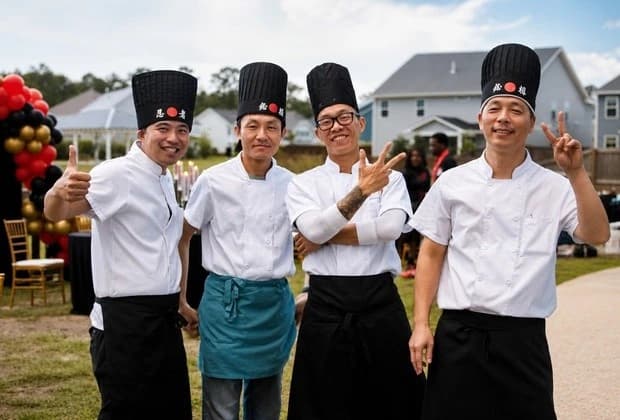
That is exactly why more families, friend groups, and office teams are booking a mobile hibachi chef in Tampa for birthdays, anniversaries, and weekend get-togethers. However, a backyard hibachi party is a little different from a restaurant reservation. You are the venue, so a few smart decisions before you book make the whole night smoother.
This guide walks you through what is included, what it really costs, how Tampa’s weather affects your plans, how to prepare your space, and how to pick a company you can trust. If you already know you want hibachi in Tampa, keep reading so you go into the booking process with the right questions.
What a Mobile Hibachi Chef Actually Brings to Your Home
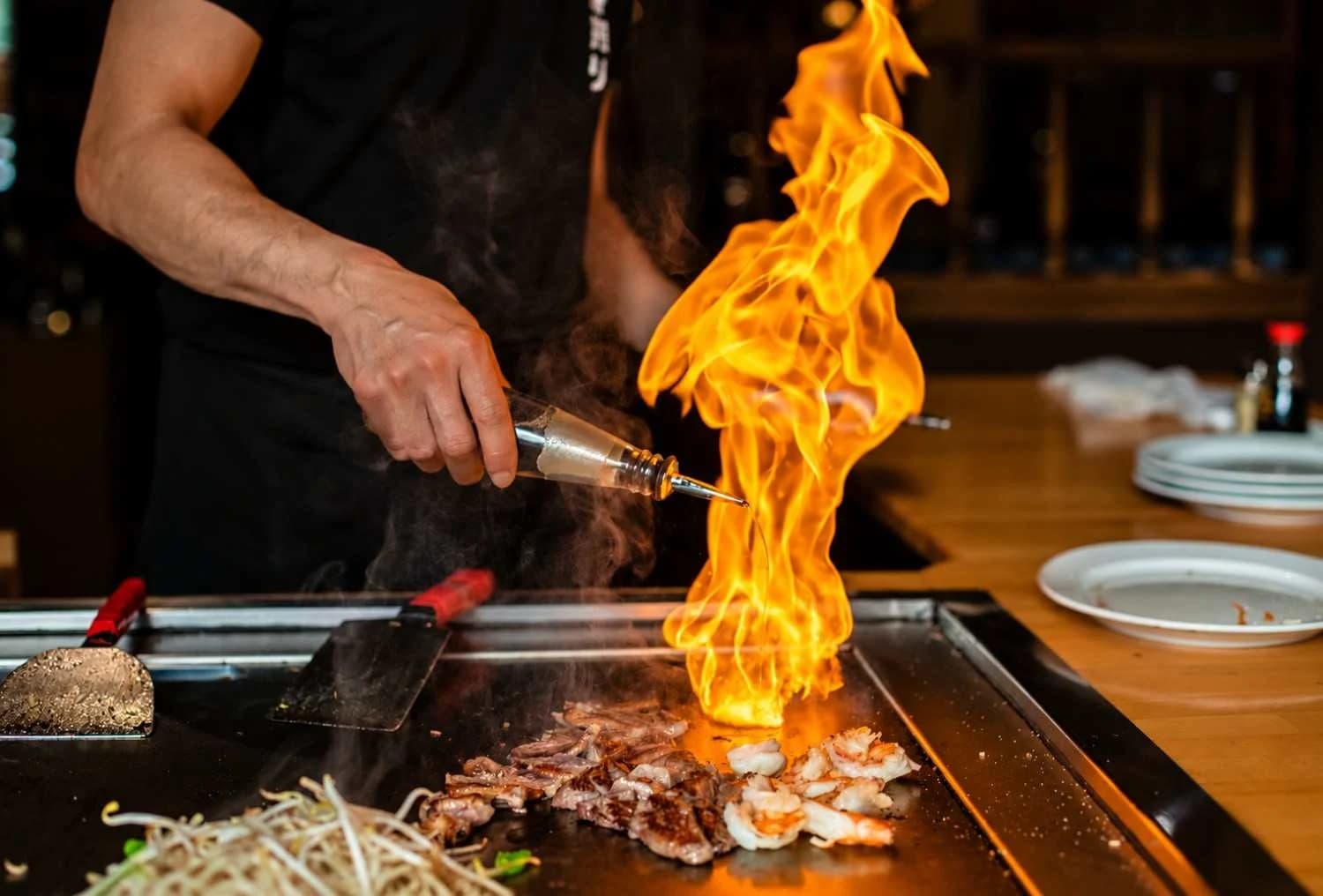
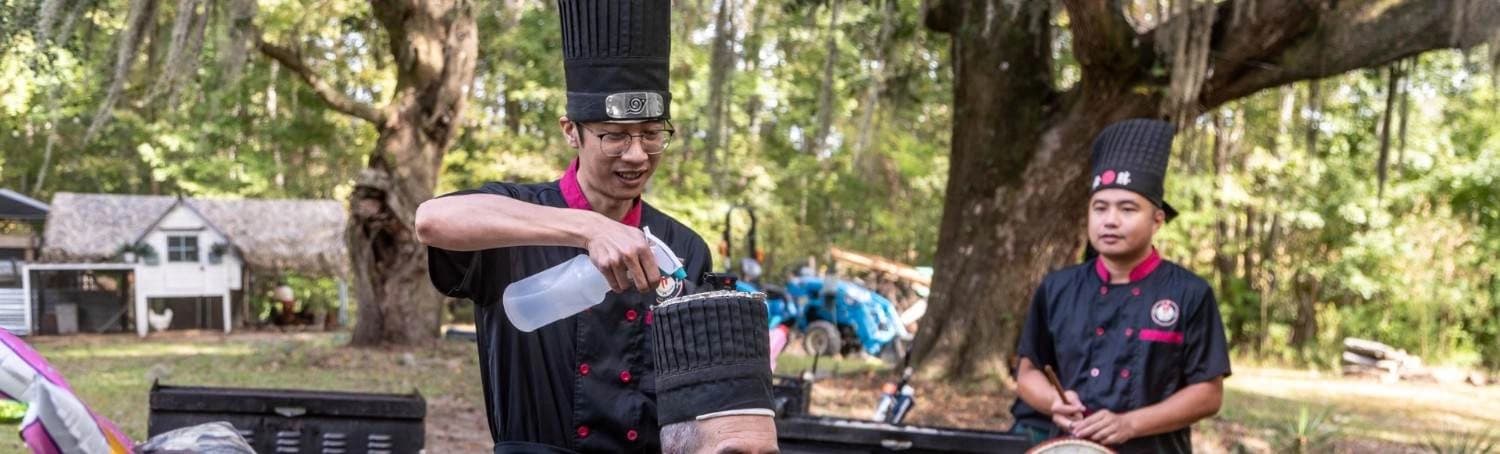
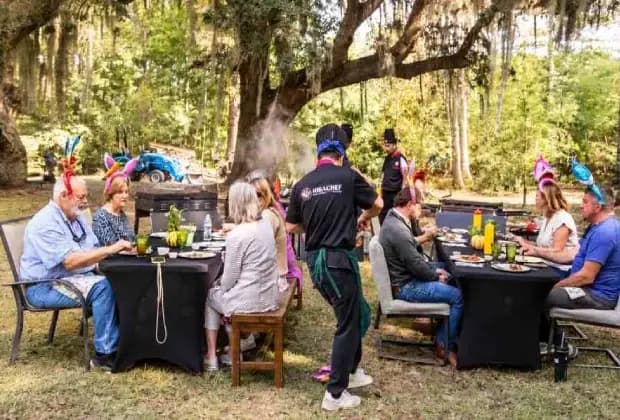
A mobile hibachi service brings the teppanyaki grill, the ingredients, and the chef straight to your address. The chef cooks live in front of your guests, complete with knife tricks, flaming onion stacks, and the occasional shrimp tossed toward someone’s mouth.
In the United States, what most people call hibachi is technically closer to teppanyaki, which means cooking on a flat iron griddle. A traditional Japanese hibachi is actually a small charcoal heater, so the name stuck more by habit than by accuracy. That small difference between teppanyaki and hibachi will not change your party, but it does explain why your chef shows up with a wide flat-top instead of a grill grate.
What Is Usually Included
With a reputable company, the core package typically covers:
- A trained private hibachi chef who runs the entire cooking show
- A portable hibachi grill and all cooking tools
- Fresh proteins, vegetables, fried rice, and sauces
- Setup before service and cleanup of the cooking area afterward
What You Are Usually Expected to Provide
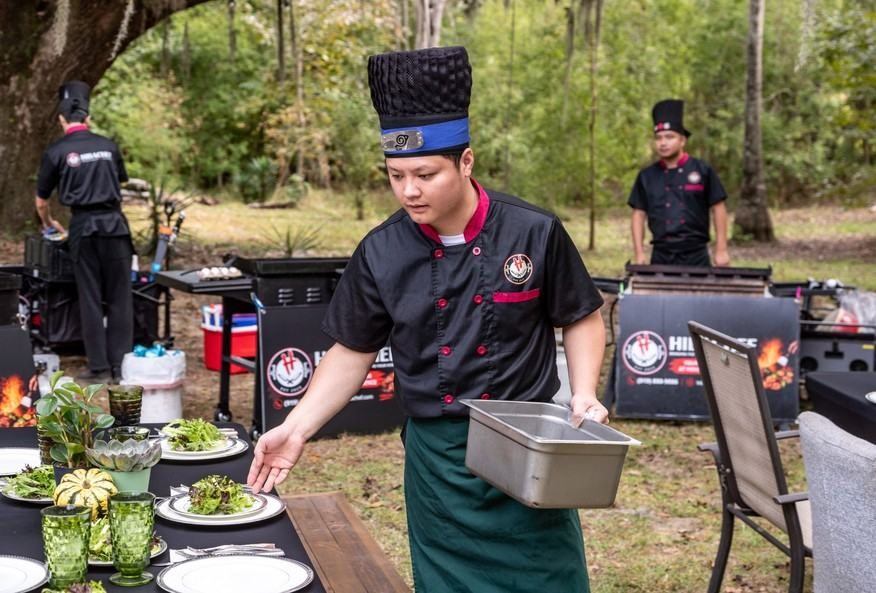
This is the part many first-time hosts miss. In most cases, you handle the dining setup. That means tables, chairs, plates, glasses, and utensils. You also need a flat, open outdoor space with enough clearance for the chef to work safely.
Some companies offer table and chair rentals for an extra fee, so ask early if you do not own enough seating. Drinks are also typically your responsibility, which gives you full control over the bar.
How Much Does a Mobile Hibachi Chef in Tampa Cost?
Pricing is the first question almost everyone asks, and rightly so. Most mobile hibachi companies in the Tampa area price per person, with a minimum total spend for each event.
Typical Per-Person Packages
To give you a real benchmark, here is how HibaChef’s hibachi packages are currently priced:
| Package | What You Get | Price |
|---|---|---|
| Hibachi Regular | Choose two entrees | $55 per person |
| Hibachi Special | Chicken, shrimp, and NY strip | $65 per person |
| Hibachi Kids (ages 5 to 12) | Choose one entree | $30 per child |
The Fine Print That Affects Your Total
Here is where budgets often get surprised. Before you book, look for these four items:
- Event minimum. HibaChef has a $550 minimum for all parties. So if you book eight adults on the Regular package, the math says $440, but you would still pay the $550 minimum.
- Sales tax and gratuity. These are usually not included in the per-person price. Many hosts set aside a gratuity for the chef, so factor that in from the start.
- Travel fees. HibaChef may charge a travel fee for distances beyond 40 miles. Within Tampa proper, most addresses fall well inside that range.
- Rentals. If you need tables, chairs, linens, plates, and utensils, rental packages add a per-person cost.
A Realistic Budget Example
Let us say you are hosting a birthday party in Westchase with 14 adults and 4 kids.
- 14 adults on the Regular package: 14 × $55 = $770
- 4 kids on the Kids package: 4 × $30 = $120
- Subtotal before tax and gratuity: $890
That total clears the minimum comfortably. If your guest list is still changing, running a few versions through a hibachi party cost estimator shows how much each extra adult or child adds before you settle on a final number.
Planning Around Tampa Weather
Tampa is a fantastic place for outdoor dining. Still, anyone who has lived here through a July afternoon knows the sky can change in about 15 minutes.
Summer Afternoon Storms
From roughly June through September, Tampa Bay sees frequent afternoon thunderstorms. They often roll in hard and leave just as fast. If you are planning a summer party, consider starting dinner a little later in the evening, after the typical storm window has passed.
Lightning is the bigger concern than rain itself. No chef should be standing at an open grill in the middle of a thunderstorm, so ask your provider exactly how they handle weather delays and reschedules.
Hurricane Season
Atlantic hurricane season runs from June 1 through November 30. Most days are perfectly fine. However, if a tropical system shows up in the forecast, the details of a company’s refund policy and booking terms suddenly matter a lot. Knowing how deposits and reschedules work before you pay saves you a stressful phone call later.
The Sweet Spot
Late October through April is when Tampa really shines for backyard hibachi. Evenings are cooler, humidity drops, and the chance of a washout is much lower. Not surprisingly, these months fill up quickly, especially weekends. There is a reason hibachi at home has become so popular in Florida, and mild winter evenings are a big part of it.
Preparing Your Space: Backyard, Lanai, Pool Deck, or Condo
Your venue matters more than most people realize. A little preparation here prevents last-minute scrambling when the chef arrives.
The Basics Every Space Needs
- A flat, level surface: Concrete patios, pavers, and pool decks work well. Soft grass can work if it is level and dry, but check with the company first.
- Open space overhead: Keep the grill area clear of low ceilings, patio umbrellas, string lights, and overhanging palm fronds. Flames from the onion volcano and flash cooking rise higher than you might expect.
- Room to move: The chef needs space to work behind the grill, and guests need a comfortable seating arc in front of it.
- Easy access: Think about how the chef will carry the grill from the driveway to your patio. Narrow side gates, steep steps, or locked fences can slow setup.
How to Arrange Seating
Hibachi is designed to be watched. The best layout places tables in a U shape or semicircle facing the grill, so every guest has a clear view of the action. Avoid long rows where people at the far end only see the backs of other guests’ heads.
Screened Lanais and Indoor Spaces
Many Tampa homes have screened lanais, and hosts often ask if the chef can cook there. The answer depends on ventilation and ceiling height. Hibachi cooking produces smoke and real flame, so a fully enclosed or low-ceilinged space is usually not suitable. Some companies, including HibaChef, can cook indoors only when the venue has proper ventilation and meets their setup requirements. Send photos of your space when you inquire so the team can give you a straight answer.
Condos, Apartments, HOAs, and Vacation Rentals
This is the step people skip most often. Many condo and apartment communities around Downtown Tampa, Channelside, and Harbour Island restrict open-flame and propane cooking on balconies or near buildings. HOAs and short-term rental owners may have their own rules as well.
Before you book, check your building or rental agreement. If balconies are off limits, ask management whether a common-area patio, rooftop deck, or pool area can be reserved instead. A pool deck is often the best of the three, since it is usually flat, open overhead, and close to seating. That is a big reason the hibachi pool party has become such a popular format across Florida.
Choosing Your Menu and Handling Dietary Needs
Once the logistics are sorted, the fun part begins. Most packages let guests pick their proteins, usually from options like chicken, steak, shrimp, salmon, or tofu, alongside fried rice and grilled vegetables.
Tips for Picking Proteins
- Collect choices in advance: Ask guests for their entree picks when they RSVP. This helps the chef bring the right amounts and speeds up service.
- Consider the Special package for mixed crowds: When you have a big group with different tastes, a combo of chicken, shrimp, and steak keeps everyone happy without a lot of coordination.
- Plan for kids separately: Children ages 5 to 12 typically have their own lower-priced package, which keeps family events affordable.
Allergies and Dietary Restrictions
Share all allergies at the time of booking, not on the day of the party. Shellfish, soy, sesame, gluten, and egg allergies are common concerns with hibachi, since soy sauce, sesame oil, and egg fried rice are staples. A good chef can cook allergy-sensitive portions first or adjust ingredients, but only if they know ahead of time.
Health-conscious guests often ask whether hibachi fits their goals. Grilled proteins and vegetables make a solid base, and most of the extra calories come from butter, oil, and sauces. Asking the chef to go light on those makes a real difference. That balance, more than the cooking method itself, decides whether hibachi is healthy for a given guest.
When to Book (and Why Timing Matters)
Good chefs book up, and weekends go first. As a rule of thumb, aim for at least two to three weeks of notice for a standard weekend party. For larger events, holidays, or peak dates, booking four to six weeks out is safer.
Tampa has a few busy stretches worth knowing about:
- Late January, when Gasparilla weekend draws big crowds and private parties
- Spring break and Easter, when visiting family members fill homes and rentals
- May and June graduation season, a popular time for celebration dinners
- November and December holidays, including Friendsgiving and office parties
If your date falls inside one of these windows, lock it in early. It also helps to settle common hibachi booking questions at the same time, such as how much notice is needed, whether packages can be combined, and how payment works, so nothing holds up your reservation.
How to Vet a Mobile Hibachi Company Before You Pay
Not every mobile hibachi service operates at the same level. Since you are inviting someone to cook with open flame at your home, it is worth spending ten minutes on due diligence.
Questions Worth Asking
- What exactly is included in the price? Grill, ingredients, chef, setup, and cleanup should all be clearly listed.
- What is the minimum spend, and are tax and gratuity extra? Clear answers here prevent awkward surprises at the end of the night.
- How do you handle rain, lightning, or a tropical storm? Ask about rescheduling options and deposit rules.
- How long does the cooking show last? This helps you plan cake, speeches, or other activities around dinner.
- Do you carry liability insurance? Reputable companies should be able to confirm this.
- Can you accommodate allergies and special requests?
Check Reviews and Real Event Photos
Look for recent reviews that mention specific details, such as the chef’s name, punctuality, food quality, and cleanup. Vague five-star ratings with no detail tell you very little. HibaChef, for example, holds a 5-star rating across more than 235 Google reviews. Browsing a company’s event gallery also shows you what real setups look like in backyards similar to yours.
Finally, learn a little about who runs the business. A company’s About page should tell you who they are, where they operate, and what standards they hold their chefs to.
Areas Served Around Tampa Bay
Before booking, confirm that your address falls within the provider’s service area. HibaChef currently serves neighborhoods across the city, including Hyde Park, Davis Islands, Palma Ceia, Bayshore Beautiful, Seminole Heights, Ybor City, Channelside, West Tampa, New Tampa, and Downtown Tampa.
If your party is across the bay, there are dedicated services for hibachi in St. Petersburg and beachfront events in Clearwater Beach. Heading inland toward Polk County? You can also book hibachi catering in Lakeland. When in doubt, contact the team with your exact address to confirm coverage and any travel fee.
Your Day-Of Hosting Checklist
When the big day arrives, run through this quick list a few hours before the chef shows up:
- Tables and chairs set up in a U shape facing the grill area
- Plates, napkins, chopsticks or forks, and glasses on the tables
- A clear, flat cooking spot with nothing hanging overhead
- Gate unlocked and a clear path from the driveway to the patio
- Outdoor lights on if the party runs past sunset
- Drinks iced and ready before the show starts
- Bug spray or a fan nearby for warmer Tampa evenings
- A plan for pets so they stay away from the grill
Handle these, and your only job for the rest of the night is to enjoy it.
Ending Note
Booking a mobile hibachi chef in Tampa is one of the easiest ways to turn an ordinary evening into a night your guests will remember. You skip the restaurant wait, keep the guest list exactly how you want it, and let a professional handle the cooking and the show.
The key is preparing before you book. Know the real cost, including minimums, tax, and gratuity. Plan around Tampa’s summer storms and hurricane season. Check your space, especially if you live in a condo or HOA community. Share allergies early, and choose a company with clear pricing, honest reviews, and a fair rescheduling policy.
Once those pieces are in place, the rest is all sizzle. When you are ready to pick a date, you can book your hibachi party online in a few minutes.
Frequently Asked Questions
How much does a mobile hibachi chef in Tampa cost?
Most mobile hibachi services in Tampa charge per person, usually starting around $55 per adult for a two-entree package. Premium packages with steak and shrimp cost more, and kids’ meals are often discounted. Expect an event minimum, plus sales tax and gratuity, on top of the per-person price.
How far in advance should I book a hibachi chef in Tampa?
Book at least two to three weeks ahead for a regular weekend party. For holidays, Gasparilla weekend, graduation season, or large groups, booking four to six weeks in advance gives you the best chance of getting your preferred date and time.
What do I need to provide for a backyard hibachi party?
You typically provide tables, chairs, plates, utensils, glasses, and drinks. You also need a flat outdoor area with open space overhead. The chef brings the grill, cooking equipment, and fresh ingredients, then cleans the cooking area afterward.
Can a mobile hibachi chef cook on a condo balcony or indoors?
Usually not on a balcony, since many Tampa condo buildings restrict open-flame and propane cooking there. Indoor cooking is only possible when the space has proper ventilation and meets the company’s setup rules. Check your building policies and ask about common-area patios or pool decks instead.
What happens if it rains during my Tampa hibachi event?
Light rain may not stop the party if you have a covered area with good airflow, but lightning is a safety issue for any open-flame cooking. Ask your provider about delays and rescheduling before booking, and review their refund policy, especially during summer and hurricane season.
The Latest
Family Dinner Ideas in Orlando: 7 Easy Ways to Make Dinner Memorable
November 16, 2026
14 minutes read
Hiring a Private Hibachi Chef in Myrtle Beach? Here’s What It Costs and How It Works
November 9, 2026
14 minutes read
What Makes Hibachi at Home Popular for Large Gatherings in Florida
November 2, 2026
10 minutes read
Private Hibachi Catering in Orlando: Costs, Setup, and Booking Tips for 2026
October 29, 2026
10 minutes read
Hibachi Vegetables Recipe: Buttery Japanese Steakhouse Veggies in 20 Minutes
October 26, 2026
10 minutes read
Related Blogs
Family Dinner Ideas in Orlando: 7 Easy Ways to Make Dinner Memorable
November 16, 2026