What Makes Hibachi at Home Popular for Large Gatherings in Florida


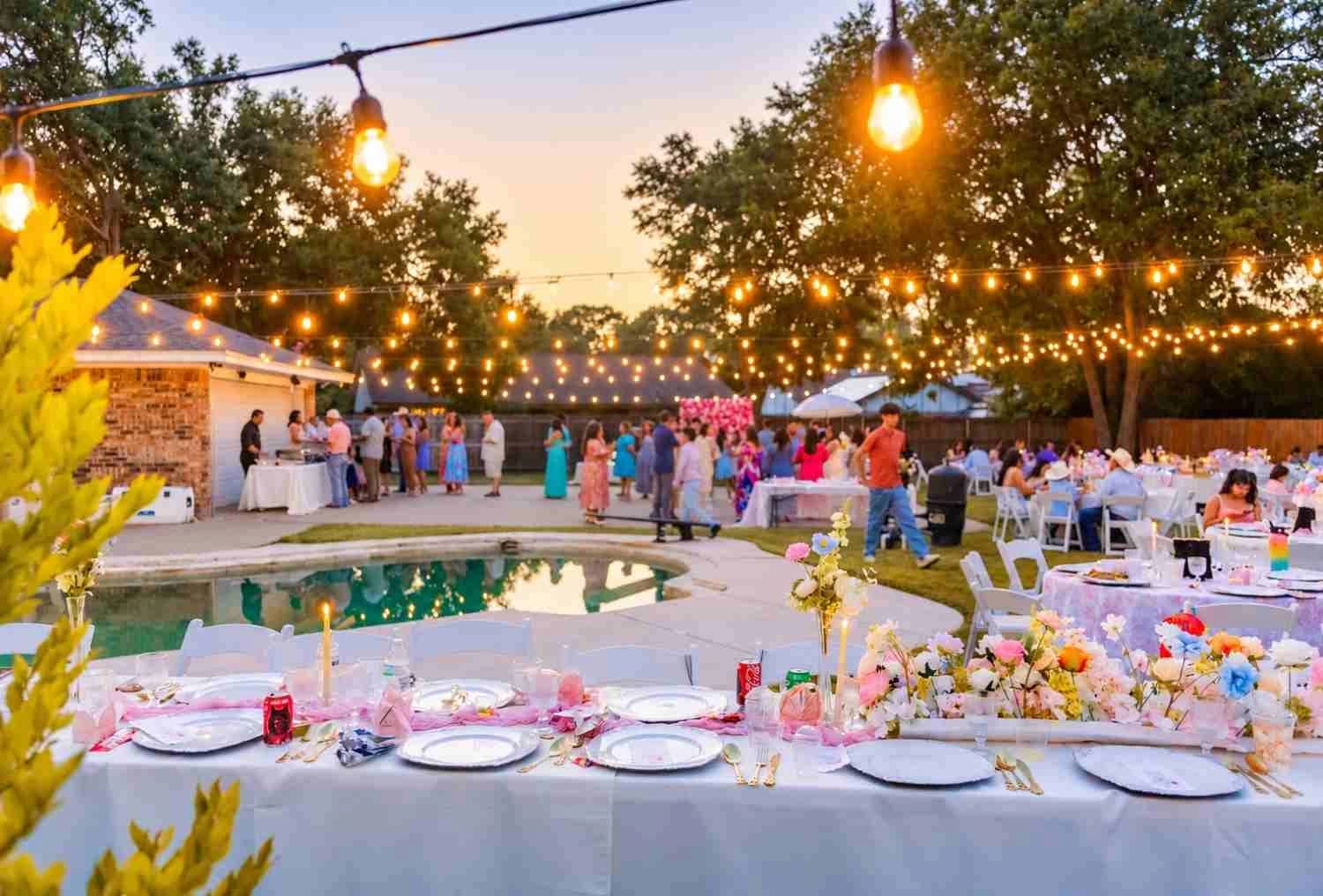
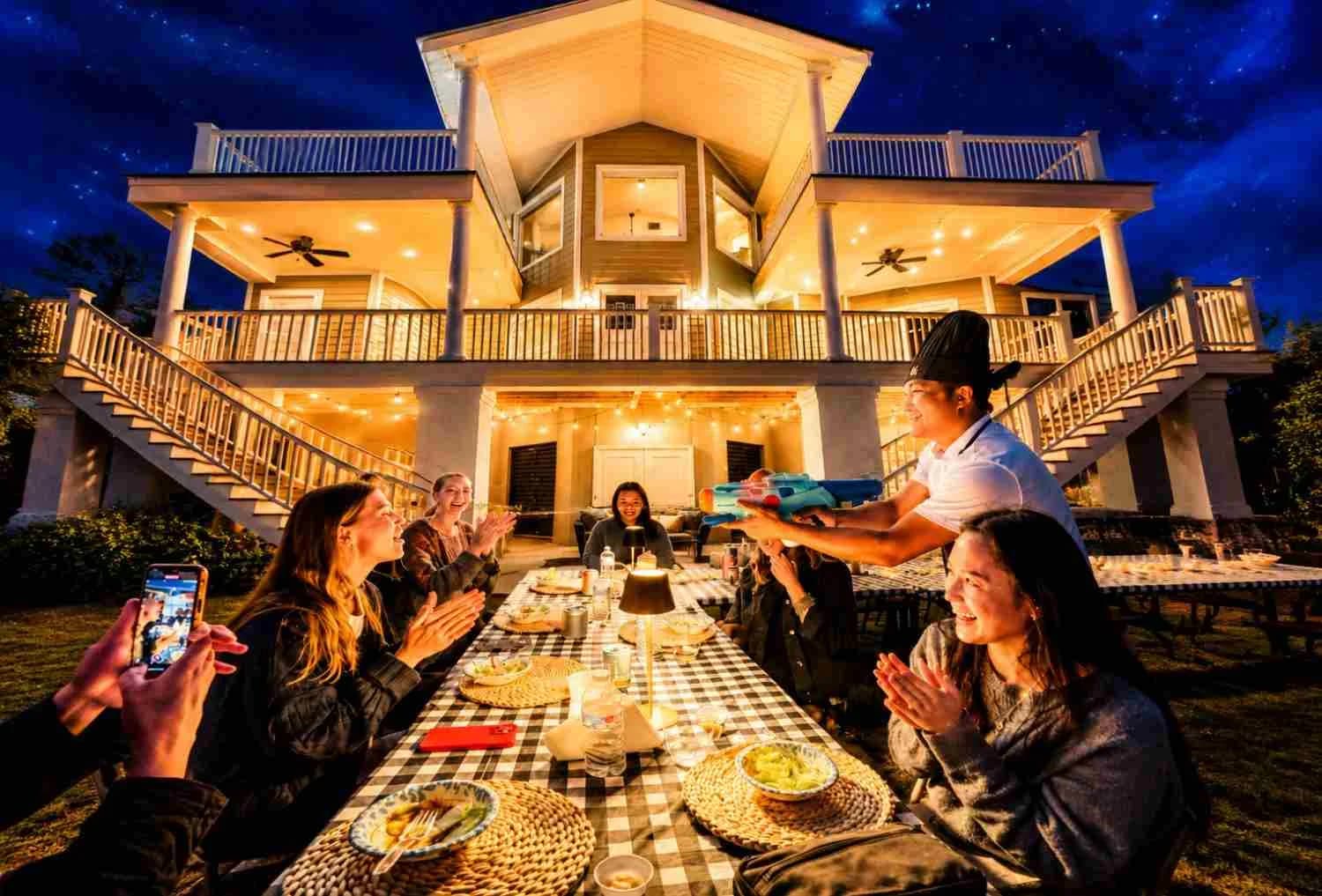
Picture a backyard in Tampa on a warm Saturday evening. Thirty guests pull their chairs up around a sizzling flat-top grill. The chef flips a shrimp tail straight into his hat, and the whole crowd cheers. Nobody is checking their phone.
That scene explains why hibachi at home has become such a popular way to host big parties across Florida. Feeding a large group well is hard. Restaurants struggle to seat 25 people together, buffet trays go cold, and the host usually spends the whole night stuck in the kitchen. A private hibachi chef solves all three problems, and it suits the way Floridians already like to entertain.
If you’re new to this style of cooking, it helps to understand what hibachi is and where it comes from before planning your event. Below, we’ll look at why the format works so well for big groups, what it costs, and how to plan one without the usual hosting stress.
Why Hibachi at Home Fits the Way Florida Celebrates
Outdoor Living Is Built Into Florida Homes
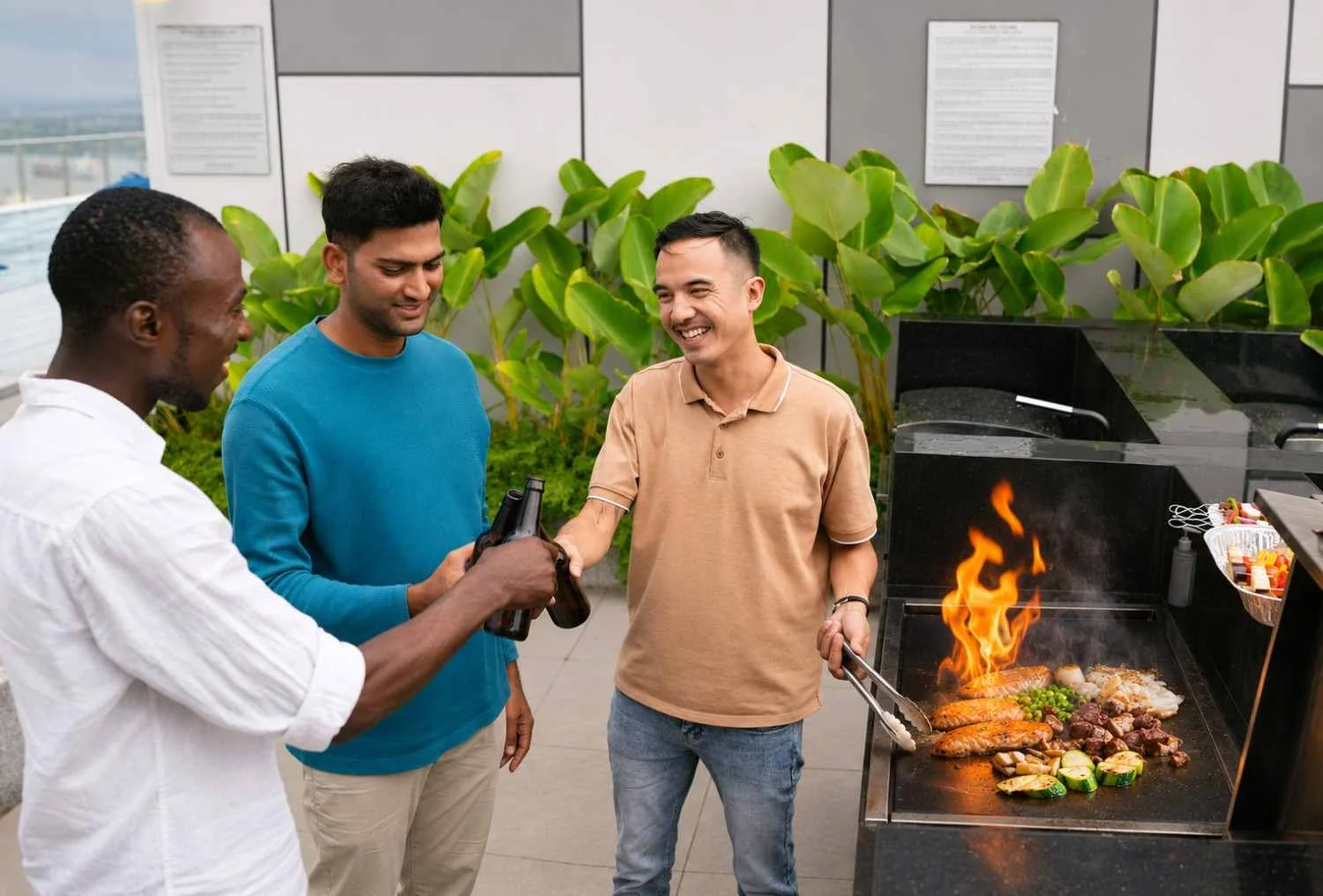
Many Florida homes are designed around outdoor space. Screened lanais, pool decks, covered patios, and wide backyards are where families already spend their evenings. Because hibachi grilling happens outdoors, the setup slides right into those spaces without any awkward rearranging.
Pool homes are especially popular. A poolside hibachi party in Miami shows how naturally the grill pairs with an afternoon of swimming, music, and dinner by the water.
Big Groups Get Together All Year
Florida’s mild winters mean party season never really ends. Snowbird relatives visit from December through March. Spring break brings college reunions. Summer fills vacation rentals with multi-family trips, and the holidays pack homes with extended family.
Central Florida sees this more than anywhere else. Large families sharing rental homes near the theme parks often look for private hibachi catering in Orlando so they can skip the restaurant crowds after a long day at the parks.
What Makes Hibachi at Home Work So Well for Large Groups
Dinner and Entertainment in One Booking
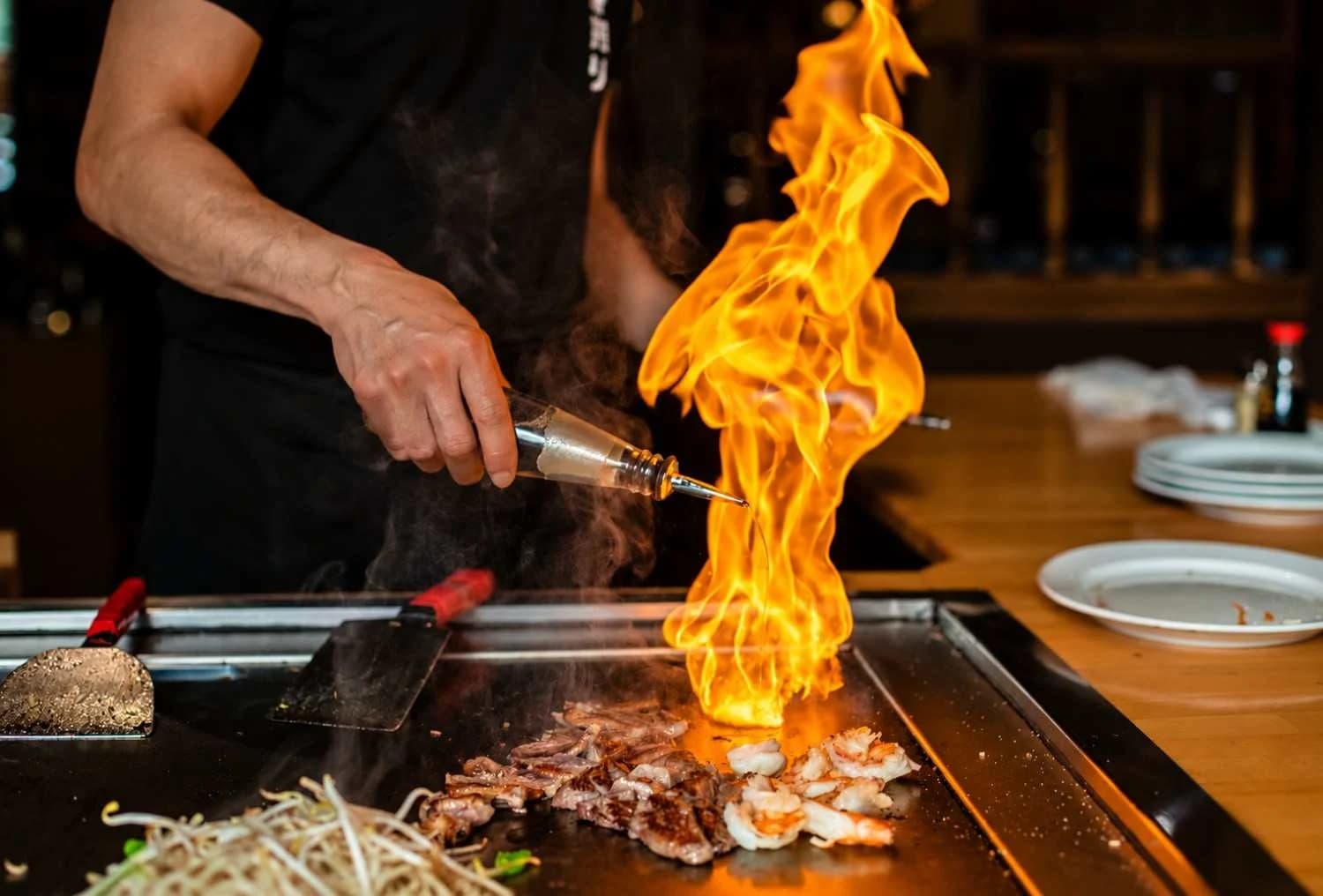
At a typical catered party, food arrives in trays and guests eat whenever they wander over. Hibachi changes the energy completely. The chef cooks right in front of everyone, building onion volcanoes, tossing shrimp, and clicking spatulas in rhythm.
For a large group, that shared focal point matters. Instead of guests splitting into small clusters, the grill becomes the center of the party. Kids are glued to the show, and even the quiet uncle ends up laughing.
Every Guest Gets Fresh, Hot Food
Buffets lose quality fast in Florida heat. Food sitting in chafing dishes on a 90-degree afternoon isn’t appealing, and it raises real food safety concerns.
With hibachi, every plate comes straight off the grill. The chef cooks rice, vegetables, and proteins in rounds, so the last guest served gets food just as hot and fresh as the first.
The Host Actually Enjoys the Party
Anyone who has hosted 30 people knows the routine: shopping, prepping, cooking, serving, and scrubbing pans until midnight. A private chef takes the cooking side off your plate entirely. The chef arrives with the grill and cooking setup, handles the food from start to finish, and leaves you free to talk with your guests.
Your part is simple. You provide the space, plus tables, chairs, and plates. If you don’t own enough seating for a crowd, table rental is available for $15 per person and covers tables, chairs, tablecloths, utensils, and plates.
One Menu Handles a Mixed Guest List
Large gatherings almost always include picky kids, steak lovers, seafood fans, and at least one guest who doesn’t eat meat. Hibachi handles that variety easily because each guest picks their own proteins.
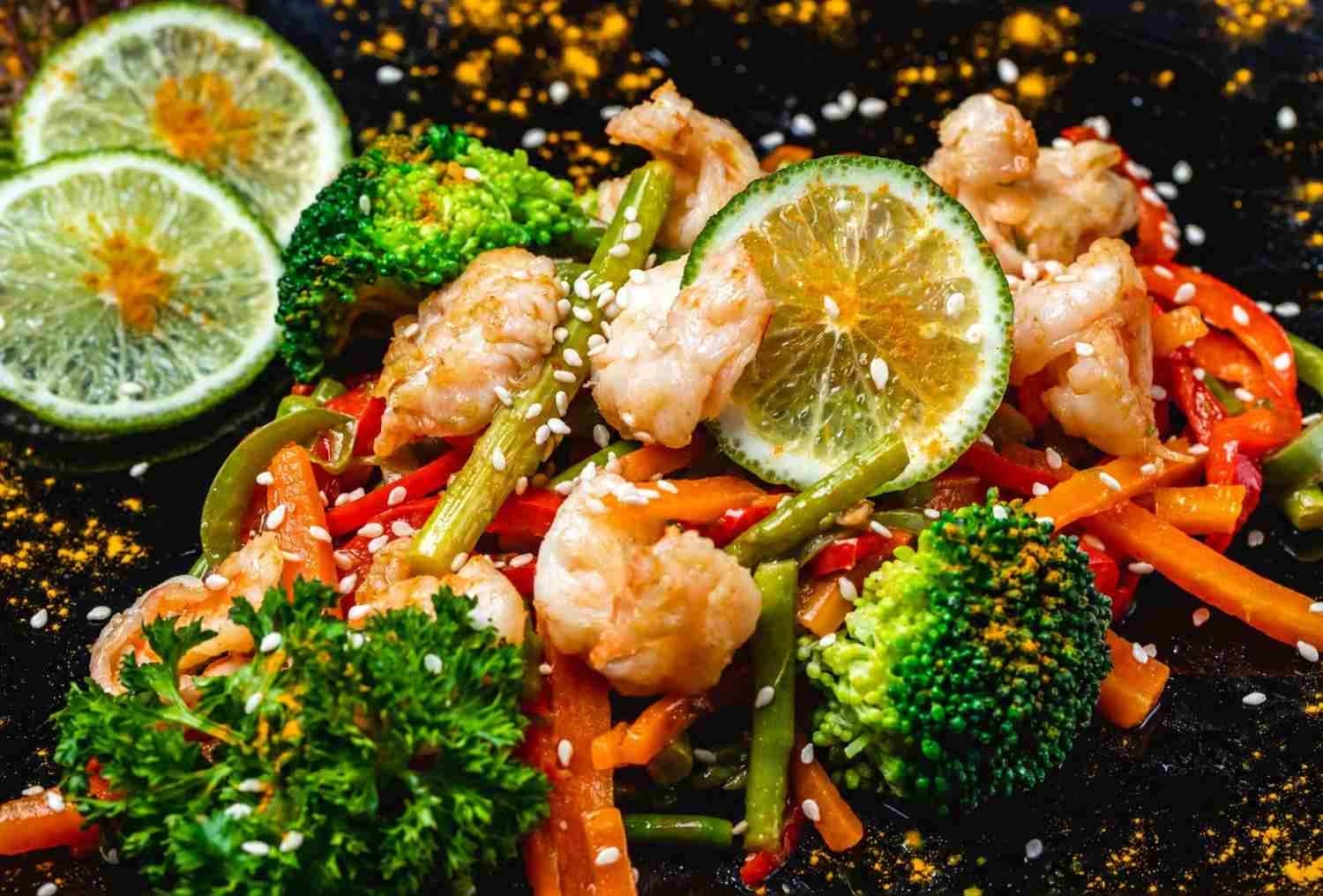
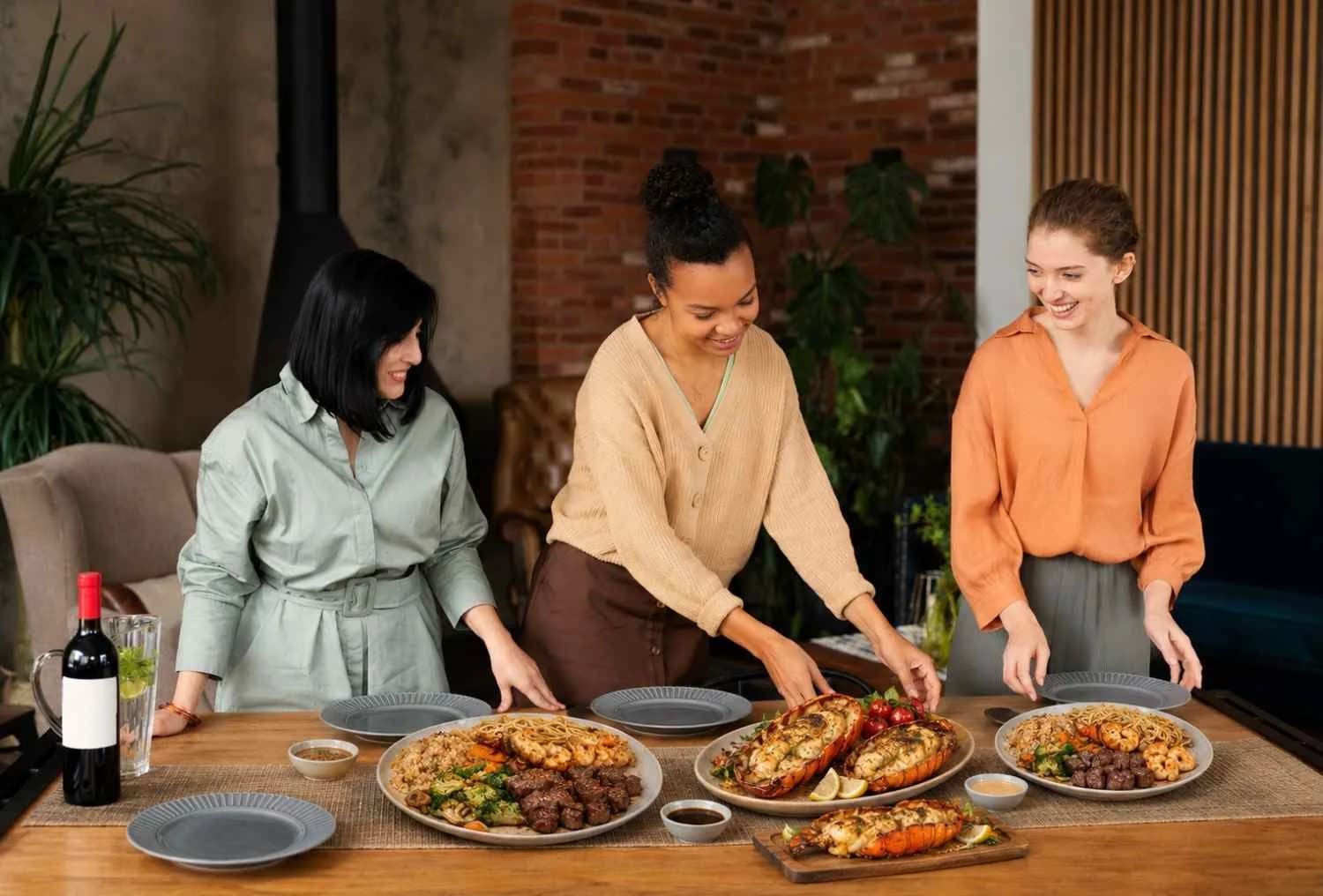
Standard choices include chicken, jumbo shrimp, prime NY strip, scallops, salmon, and tofu. Every plate also comes with salad and ginger dressing, mixed vegetables, and egg fried rice. You can review the full hibachi menu and package options to see how the choices line up for different guests.
Hibachi at Home vs. Taking a Big Group to a Restaurant
Here’s a quick side-by-side look at how the two options compare for groups of 20 or more:
| Factor | Hibachi at Home | Hibachi Restaurant |
|---|---|---|
| Seating | Everyone sits together in your space | Often split across several grill tables |
| Wait times | None, the chef comes to you | Long waits on weekends and holidays |
| Atmosphere | Private, relaxed, your own music | Shared room with other parties |
| Timing | You choose the start time | Limited by reservation slots |
| Travel | No driving, no parking | Coordinating rides for the whole group |
| Kids | Free to play between courses | Need to stay seated |
For small groups, a restaurant can work fine. Once your guest list passes 15 or 20 people, though, the home setup usually wins on comfort and convenience.
What a Private Hibachi Chef in Florida Brings to Your Event
A private hibachi chef in Florida does much more than cook. On the day of your event, the chef sets up the grill and station, prepares every course in front of your guests, keeps the show going throughout the meal, and manages the pace so each round of food comes out hot.
Because it’s a mobile hibachi chef service, the same experience travels to backyards, beach houses, and rental homes across the state. Whether you’re hosting in a suburban backyard or booking hibachi in Tampa for a waterfront birthday party, the format stays the same: the chef comes to you, and your guests stay put.
How Much Does Hibachi Party Catering in Florida Cost?
Pricing for hibachi party catering in Florida is per person, which makes budgeting for a large group straightforward. Here’s how HibaChef’s packages break down:
Hibachi Regular: $55 per adult, with a choice of two entrees
Hibachi Special: $65 per adult, including chicken, shrimp, and NY strip
Hibachi Kids: $30 per child (ages 5 to 12), with one entree
Upgrades: Filet mignon is $8 extra per person, and lobster is $15 extra per person.
Every event has a $550 minimum. Sales tax and gratuity are not included, and a travel fee applies for distances beyond 40 miles. Prices may also vary slightly by location.
A practical example: A family reunion with 25 adults and 8 kids on the Regular package comes to $1,375 for the adults and $240 for the kids, or $1,615 before tax, gratuity, and any extras. You can plug in your own guest count using the hibachi party cost estimator to get a quick ballpark figure.
For very large crowds where the show matters less than feeding everyone, there’s also a buffet option at $35 per person (minimum 30 guests). It includes chicken, shrimp, steak, mixed vegetables, and egg fried rice, but no live hibachi performance.
Planning Tips for a Large Hibachi Party in Florida
Pick a Flat, Open Cooking Spot
The chef, grill, and cooking station must stay outdoors, even if your guests sit inside. Choose a flat, open area with room around the grill for guests to gather safely. Pool decks work well when you leave clear space between the cooking area and the water, as covered in this guide to planning a hibachi pool party in Orlando.
Plan Around Afternoon Storms
Florida summers bring quick afternoon thunderstorms, and hurricane season runs from June through November. Events run rain or shine, so it’s smart to set up guest seating under a covered patio or tent. Many hosts also pick an evening slot, such as 7 PM, when afternoon storms have usually passed. More weather and layout ideas are in this post on hosting an outdoor hibachi party in Miami.
Check Rental and HOA Rules First
Some vacation rentals, condos, and HOA communities restrict open-flame grills. Before you book, confirm with your property manager or HOA that outdoor cooking is allowed. This step is especially important for beach rentals, and the checklist for planning a Miami Beach house hibachi party walks through what to ask.
Book Early for Peak Seasons
Weekends around holidays, spring break, and summer fill up quickly. The Panhandle stays busy all summer, so families planning hibachi in Destin for a beach vacation should reserve a few weeks ahead. Available start times run from 1 PM to 9 PM.
Collect Guest Choices Ahead of Time
With a big crowd, gather protein choices, kids’ counts, and any food allergies before the event. Sending a quick group text or form a week out saves time on the day and helps the chef plan portions correctly.
Ending Note
Hibachi at home has earned its place at Florida gatherings for good reasons. It brings dinner and entertainment together, keeps food fresh in the heat, handles mixed tastes with ease, and lets the host enjoy the party instead of working it. Florida’s outdoor-friendly homes and year-round party calendar make it an even better fit.
The key to a smooth event is simple planning: choose a good outdoor cooking spot, prepare for the weather, check any property rules, and book early during busy seasons. Do that, and your guests will be talking about the night long after the grill cools down. If you’re comparing cities and service areas, the full list of HibaChef locations shows where hibachi catering is available across Florida and beyond.
Frequently Asked Questions
1. How many guests can a hibachi at home party serve?
Hibachi at home works well for small family dinners and large gatherings alike. Every event has a $550 minimum, so smaller groups simply need to meet that amount. For very large guest lists, share your headcount when booking so the team can plan the right setup. A buffet option is also available for groups of 30 or more.
2. How much does hibachi at home cost in Florida?
Packages start at $55 per adult for Hibachi Regular, $65 per adult for Hibachi Special, and $30 per child aged 5 to 12. Filet mignon and lobster upgrades cost extra. Tax and gratuity are not included, and a travel fee applies beyond 40 miles.
3. Can the hibachi chef cook indoors?
No. For safety, the chef, grill, and cooking station must stay outdoors. Your guests can still sit in a covered patio, lanai, or well-ventilated indoor area nearby while the chef cooks outside.
4. What happens if it rains on the day of my hibachi party?
Events run rain or shine, and weather does not qualify for a refund. Plan a covered seating area or tent as a backup. You can read the full cancellation terms in the refund policy, including the full deposit refund for cancellations made 7 or more days before the event.
5. What do I need to provide for a hibachi at home event?
You provide the outdoor space plus tables, chairs, and plates for your guests. If you need seating, table rental is available for $15 per person. Answers to other common setup questions are listed on the HibaChef FAQ page.
The Latest
Private Hibachi Catering in Orlando: Costs, Setup, and Booking Tips for 2026
October 29, 2026
10 minutes read
Hibachi Vegetables Recipe: Buttery Japanese Steakhouse Veggies in 20 Minutes
October 26, 2026
10 minutes read
Poolside Hibachi in Miami: The Ultimate Private Dining Experience
October 18, 2026
9 minutes read
How to Plan a Miami Beach House Hibachi Party
October 11, 2026
10 minutes read
How to Host an Outdoor Hibachi Party in Miami Without Going to a Restaurant
October 6, 2026
14 minutes read
Related Blogs
Private Hibachi Catering in Orlando: Costs, Setup, and Booking Tips for 2026
October 29, 2026