Hibachi Vegetables Recipe: Buttery Japanese Steakhouse Veggies in 20 Minutes


Ask anyone what they remember most about a Japanese steakhouse, and you will hear about the onion volcano, the flying shrimp, and the fried rice. Yet the side that disappears first is often the vegetables. They are sweet, garlicky, a little charred, and coated in buttery soy sauce.
The good news is that hibachi vegetables are easy to recreate at home. You do not need a flat-top grill or a chef with a spatula show. You need hot heat, a big pan, the right cuts, and the right order of cooking. This guide covers all four, plus a tested recipe for hibachi zucchini and onions, sauce variations, and fixes for the most common problem: soggy veggies.
What Are Hibachi Vegetables?
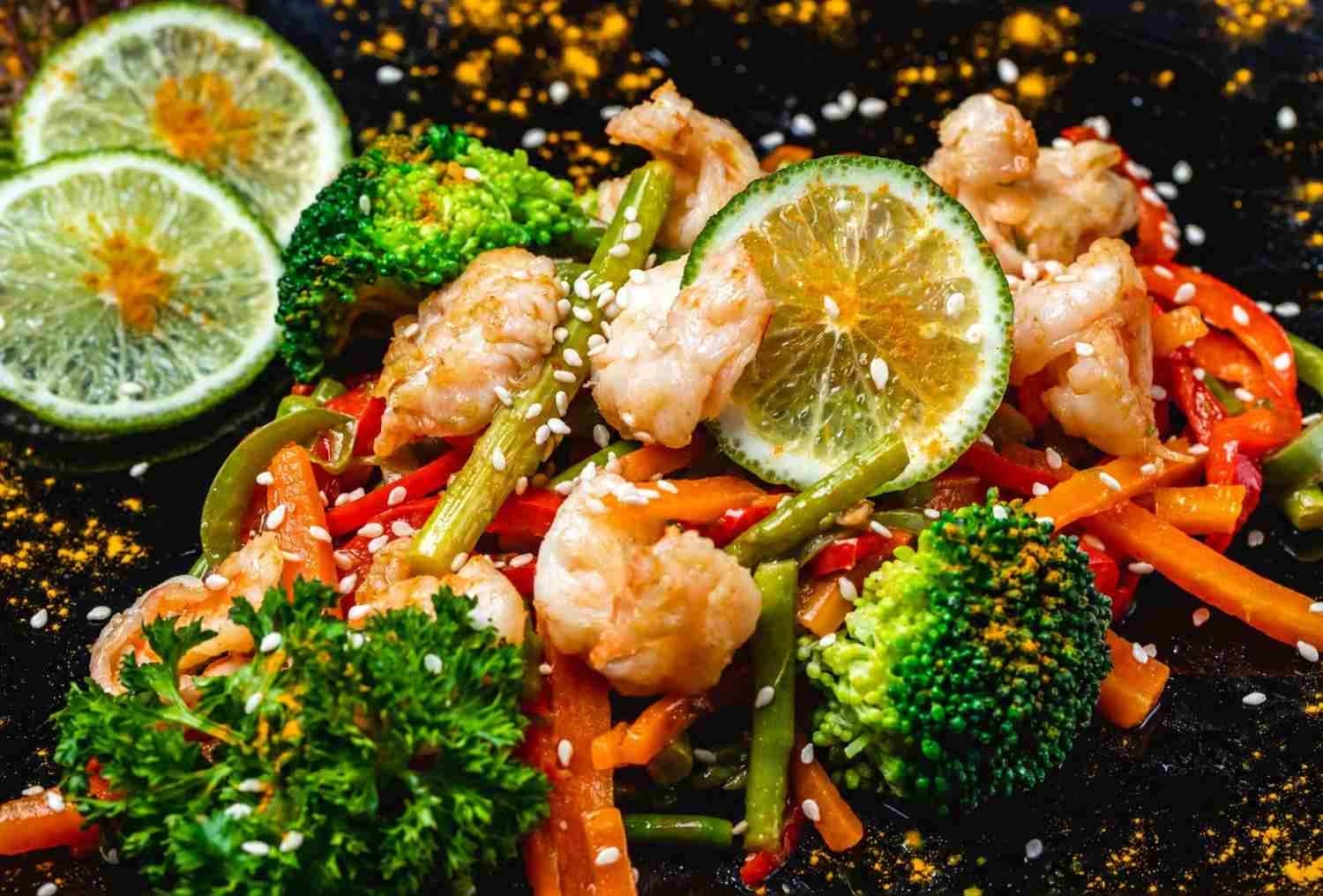
Hibachi vegetables are a simple stir-fry of zucchini, onions, mushrooms, carrots, and often broccoli. They are cooked quickly on a very hot surface and finished with garlic, butter, and soy sauce. You will also see them called hibachi veggies, Japanese steakhouse vegetables, or Benihana-style vegetables.
A quick note on the name. In Japan, a hibachi is a small charcoal heater or grill. What American restaurants serve at the table is technically teppanyaki, which means cooking on an iron griddle. In the United States, though, both terms mean the same dinner experience. If you want the full story, see our breakdown of teppanyaki vs hibachi.
Why Restaurant Hibachi Vegetables Taste Different
Most home versions of this dish go wrong in the same three ways. Understanding why helps you fix them before you start cooking.
- Heat. A restaurant flat-top is far hotter than a typical home burner. That heat sears the surface of each piece before the inside turns to mush.
- Space. The griddle is wide, so steam escapes instantly. A crowded pan traps steam, and vegetables simmer in their own water.
- Timing. The chef adds butter, garlic, and soy sauce at the end, not the start. Garlic burns fast, and soy sauce boils away if it goes in too early.
Copy those three habits and you are most of the way to the real thing.
Best Vegetables for Hibachi (and How to Cut Them)
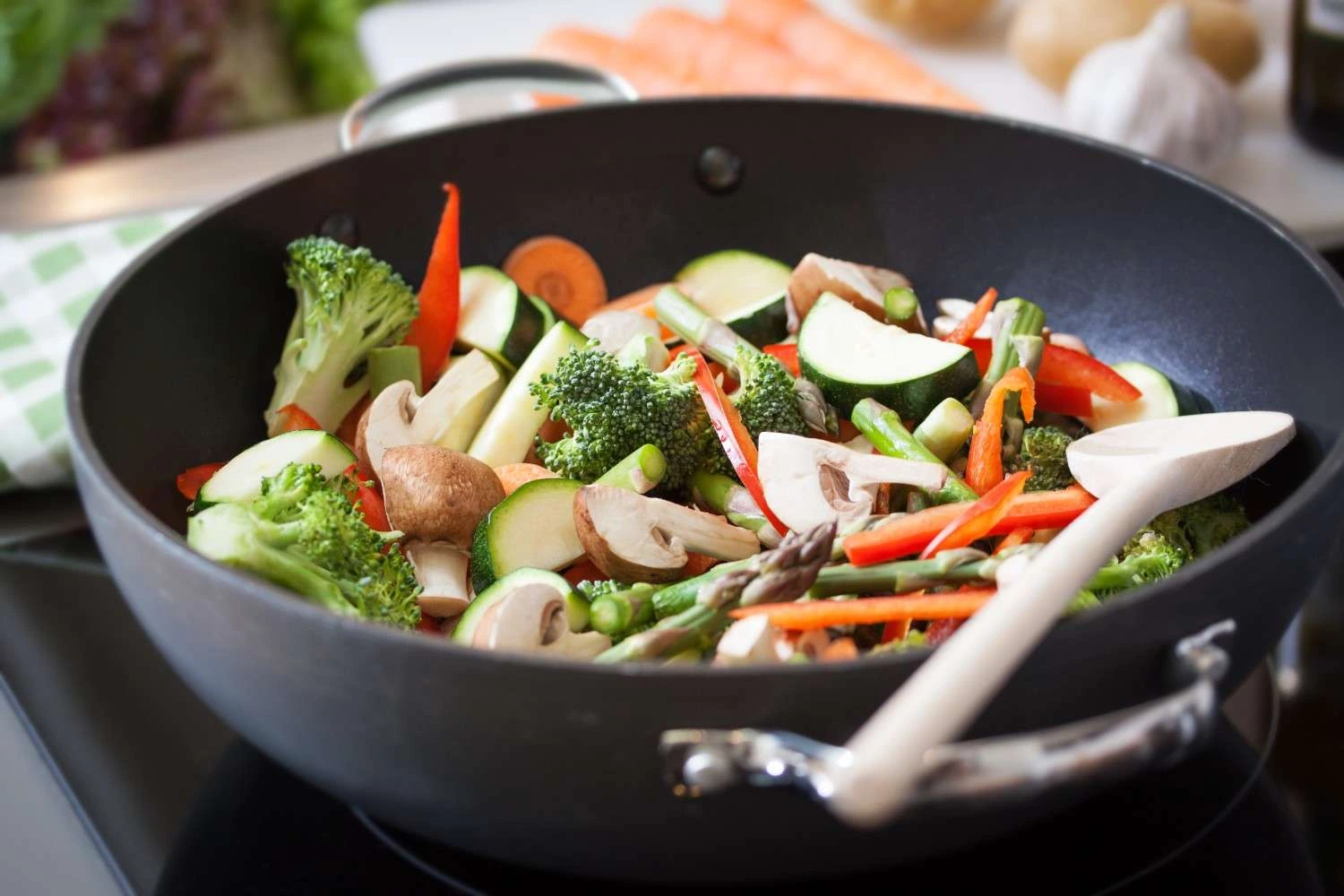
Hibachi is a cooking style, not a fixed vegetable list. Still, a few vegetables show up again and again because they cook fast and hold their shape. The cut matters as much as the vegetable. Uniform pieces cook at the same speed, so nothing is raw while something else is overdone.
| Vegetable | Hibachi-style cut | Cook time | When to add |
|---|---|---|---|
| Carrots | Thin diagonal slices, about 1/4 inch | 4 to 5 minutes | First |
| Broccoli | Small florets, about bite size | 3 to 4 minutes | First |
| Onion | Chunks or thick wedges | 2 to 3 minutes | Second |
| Mushrooms | Halved or thickly sliced | 3 to 4 minutes | Third |
| Zucchini | Half-moons, about 1/3 inch thick | 2 to 3 minutes | Last |
Hibachi Zucchini and Onions
If you only make two vegetables, make these. Zucchini turns tender and sweet in minutes, and onion chunks caramelize at the edges. The one catch is water. Zucchini releases a lot of moisture, so add it late and keep the heat high. Salt it at the end, not the start, to keep it from turning soft and watery.
Other good options include bell pepper, yellow squash, snow peas, bean sprouts, and bok choy. Avoid anything very dense, such as raw potato, unless you slice it paper thin.
Easy Hibachi Vegetables Recipe
| Prep time | Cook time | Servings | Best for |
|---|---|---|---|
| 10 minutes | 10 to 12 minutes | 4 as a side | Weeknight dinners, meal prep, hibachi nights |
Ingredients
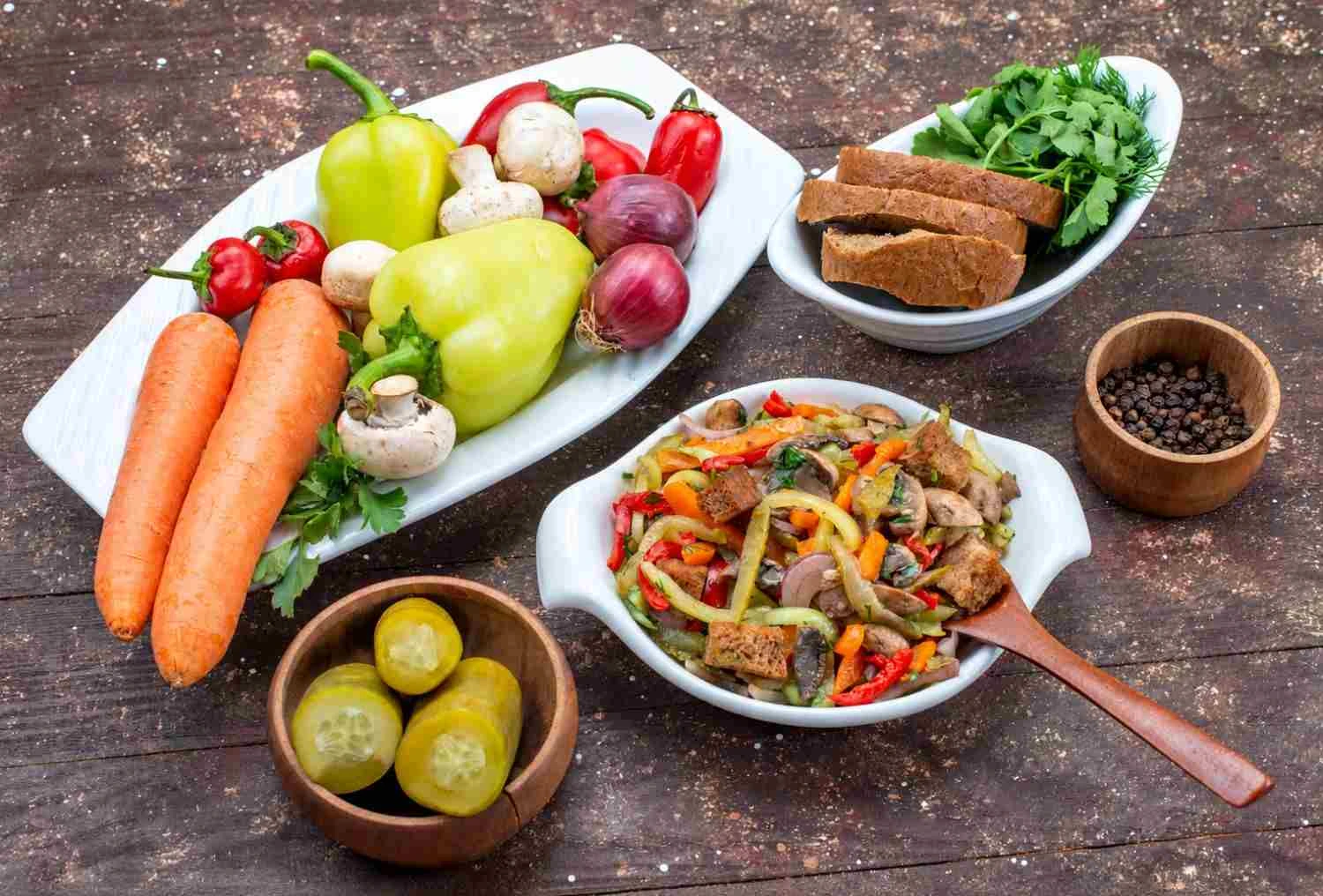
- 1 medium zucchini (about 8 ounces), cut into 1/3-inch half-moons
- 1 medium yellow onion, cut into chunks
- 2 medium carrots, sliced thin on the diagonal
- 8 ounces cremini mushrooms, halved or thickly sliced
- 1 1/2 cups broccoli florets (optional but recommended)
- 1 1/2 tablespoons neutral oil, such as avocado or canola
- 3 tablespoons unsalted butter, divided
- 3 garlic cloves, finely minced
- 1 1/2 tablespoons soy sauce (low sodium works well)
- 1 teaspoon toasted sesame oil
- Salt and black pepper, to taste
- 1 teaspoon sesame seeds, for garnish
Instructions
1. Prep everything first. This dish moves fast, so cut all vegetables and mince the garlic before the pan gets hot. Pat the mushrooms dry with a towel so they sear instead of steam.
2. Heat a large skillet, wok, or griddle over medium-high heat for two minutes. Add the oil and let it shimmer.
3. Add the carrots and broccoli with a small pinch of salt. Cook for about 3 minutes, tossing now and then.
4. Add the onion and cook for 2 minutes. Push everything to one side, then add the mushrooms in a single layer. Let them sit for about a minute before stirring so they pick up color.
5. Add the zucchini and cook for 2 to 3 minutes. The vegetables should be tender with a little bite left.
6. Make a space in the center of the pan. Add 2 tablespoons of butter and the garlic. Stir the garlic in the butter for about 30 seconds, until fragrant, then toss it through the vegetables.
7. Pour the soy sauce around the edge of the pan so it sizzles as it hits the hot metal. Toss for 30 seconds.
8. Turn off the heat. Stir in the last tablespoon of butter and the sesame oil. Taste, add pepper and more salt if needed, then top with sesame seeds. Serve right away.
Pro Tips for Benihana-Style Results
- Use the biggest pan you own. If the vegetables overlap more than one layer, cook in two batches. A crowded pan is the number one cause of soggy veggies.
- Do not stir constantly. Let the vegetables touch the hot surface for a few seconds between tosses. That contact is what creates flavor.
- Skip frozen vegetables. They release too much water for a quick high-heat sear. If you must use them, thaw them fully and dry them well.
- Keep the seasoning simple. Many hibachi chefs use a basic salt and pepper blend, and some add a savory booster like MSG or mushroom seasoning. At home, a pinch of mushroom seasoning or a splash of extra soy sauce gets you close.
- Finish with butter off the heat. It melts into a glossy coating instead of separating into grease.
Want to build a full dinner around these? Our guide on how to make hibachi at home walks through the whole spread, from protein to sauces.
Hibachi Sauce and Flavor Variations
The base recipe is garlic, butter, and soy sauce. From there, small changes create very different results.
- Ginger twist: Add 1 teaspoon of freshly grated ginger with the garlic.
- Teriyaki glaze: Replace the soy sauce with 2 tablespoons of teriyaki sauce for a sweeter finish.
- Spicy: Add red pepper flakes or a small squeeze of sriracha at the end.
- Bright and fresh: Finish with a few drops of lemon juice.
- Vegan: Swap the butter for vegan butter or extra oil, and add a pinch more salt.
- Gluten-free: Use tamari or coconut aminos in place of soy sauce, and check the label to confirm it is gluten-free.
Hibachi Grilled Vegetables: Skillet, Griddle, or Grill?
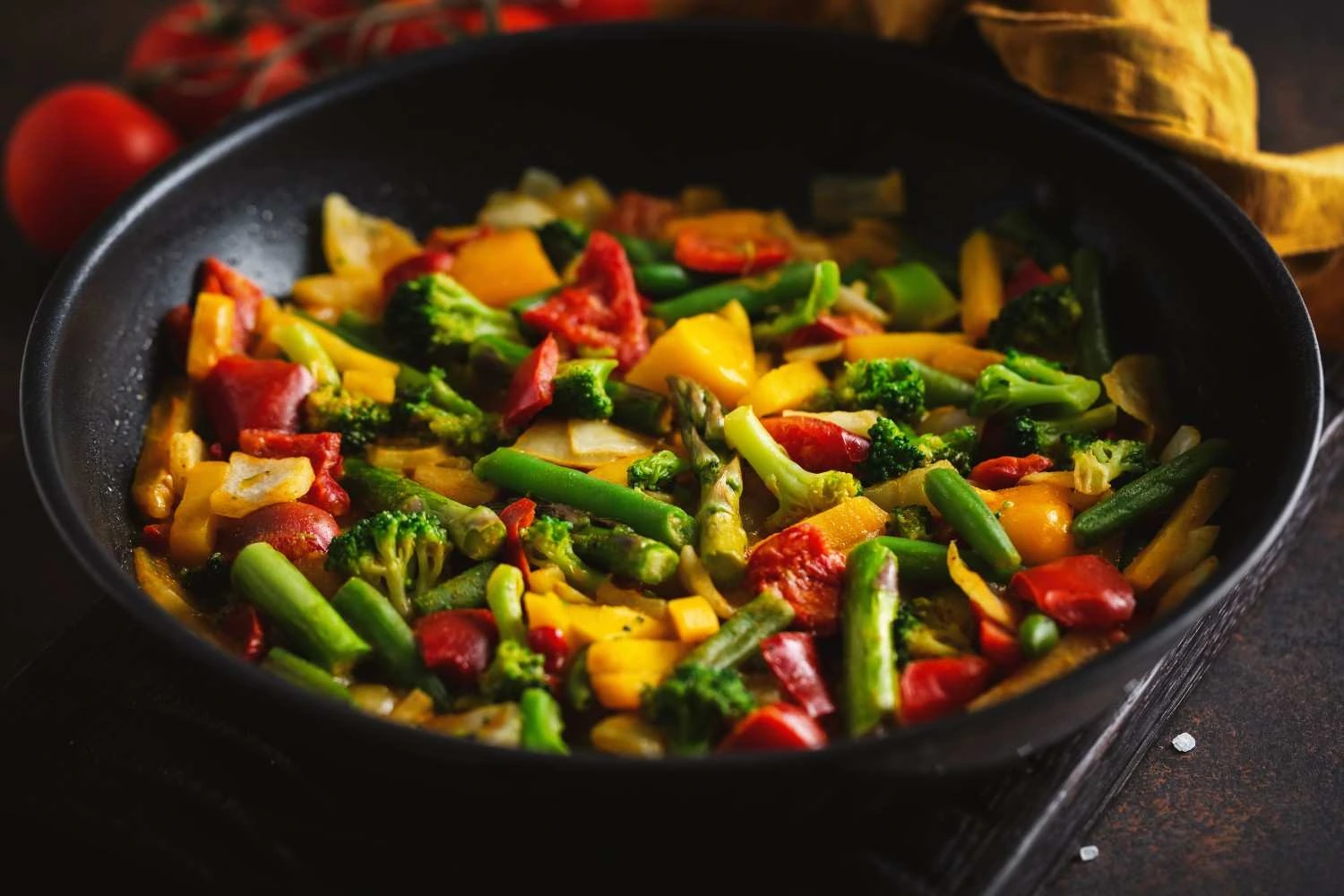
You can make this recipe on almost any hot surface. Each option changes the texture slightly.
| Method | What you get | Watch out for |
|---|---|---|
| Large skillet or wok | Even heat and easy control | Overcrowding |
| Flat-top or Blackstone | The closest match to restaurant texture | Garlic burns fast on very hot steel |
| Outdoor grill with grill pan | Smoky char for hibachi grilled vegetables | Small pieces falling through grates |
What to Serve With Hibachi Vegetables
The classic pairing is a plate of rice, a protein, and a creamy dipping sauce. Start with homemade hibachi rice for the full steakhouse feel. Then add grilled meat or seafood. Our best hibachi chicken recipe is a natural match, since both cook in the same pan with the same flavors.
They also work well on their own. Spoon them over noodles, tuck them into a rice bowl, or add tofu for a meatless main.
Are Hibachi Vegetables Healthy?
Generally, yes. The base is real vegetables, which bring fiber, vitamins, and very little effort. A serving of this recipe lands at roughly 120 to 150 calories, depending on how much butter and oil you use. That is an estimate, so treat it as a guide rather than an exact number.
Two things are worth watching. Soy sauce is high in sodium, so low-sodium soy sauce helps if you are managing salt. Butter adds saturated fat, so you can use one tablespoon less if needed. People with soy, dairy, or sesame allergies should adjust the ingredients. For a wider look at the full meal, read is hibachi healthy.
How to Store and Reheat Leftovers
Cool the vegetables, then store them in an airtight container in the refrigerator for up to 3 days. Reheat in a hot skillet for a couple of minutes with a small splash of oil. The microwave works in a pinch, but the texture softens. For best results, cook only what you plan to eat, or prep the cut vegetables ahead and cook them fresh.
Conclusion
Great hibachi vegetables come down to a few simple habits: cut evenly, use high heat, give the pan room, add the vegetables in order, and finish with garlic butter and soy sauce at the end. Once you have those down, this recipe takes about 20 minutes and rivals what you get at a Japanese steakhouse.
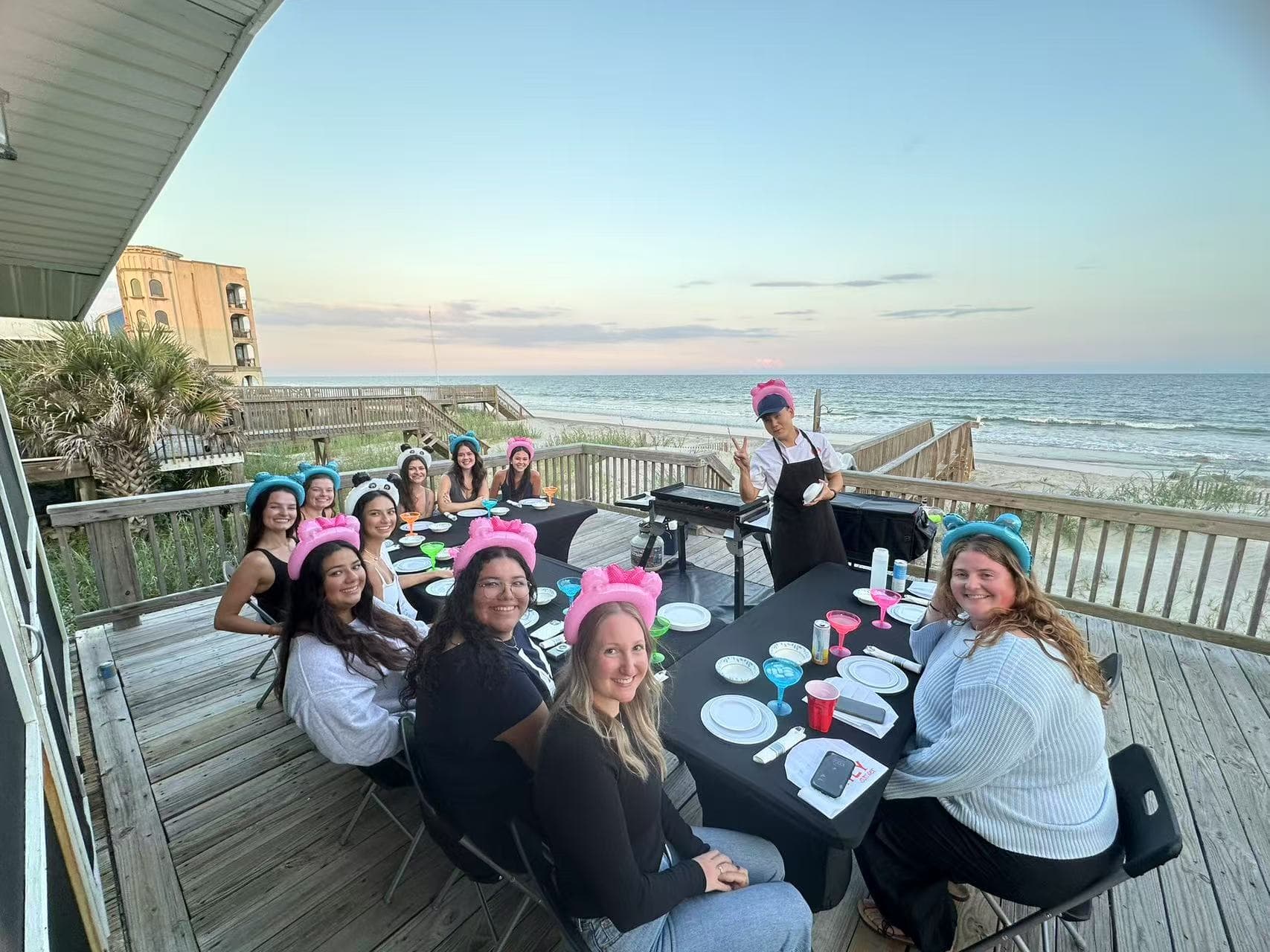
If you would rather skip the dishes and enjoy the full show, a private chef can bring it all to your backyard. You can book a hibachi experience with Hibachef or browse the menu to see what is included.
Frequently Asked Questions
What vegetables are used in hibachi?
The most common hibachi vegetables are zucchini, onions, mushrooms, carrots, and broccoli. Some restaurants also use bell peppers, bean sprouts, or yellow squash. Hibachi describes the cooking method, so you can use whatever vegetables you like.
What sauce is used on hibachi vegetables?
Most hibachi vegetables are finished with butter, garlic, and soy sauce. Some cooks add teriyaki sauce or a little sesame oil. Yum yum sauce is usually served on the side for the meal, not cooked into the vegetables.
How do you keep hibachi vegetables from getting soggy?
Use high heat, a large pan, and uniform cuts. Dry the vegetables well, cook them in batches if needed, and add zucchini last. Add soy sauce at the very end so it does not create extra steam.
Can I make hibachi vegetables without a Blackstone or flat-top grill?
Yes. A large skillet, cast iron pan, or wok works well. Preheat it fully, work in batches, and avoid overcrowding. You will get tender, lightly browned vegetables with the same flavor.
Are hibachi vegetables vegan or gluten-free?
Not by default, since restaurants usually cook them in butter and soy sauce. At home, you can use vegan butter or oil to make them vegan, and tamari or coconut aminos to make them gluten-free. If you are ordering out, ask the chef about cooking oils and sauces.
The Latest
Poolside Hibachi in Miami: The Ultimate Private Dining Experience
October 18, 2026
9 minutes read
How to Plan a Miami Beach House Hibachi Party
October 11, 2026
10 minutes read
How to Host an Outdoor Hibachi Party in Miami Without Going to a Restaurant
October 6, 2026
14 minutes read
How to Plan a Hibachi Pool Party in Orlando
October 5, 2026
14 minutes read
Best Hibachi Chicken Recipe: Restaurant-Style in 30 Minutes
September 23, 2026
11 minutes read
Related Blogs

Poolside Hibachi in Miami: The Ultimate Private Dining Experience
October 18, 2026