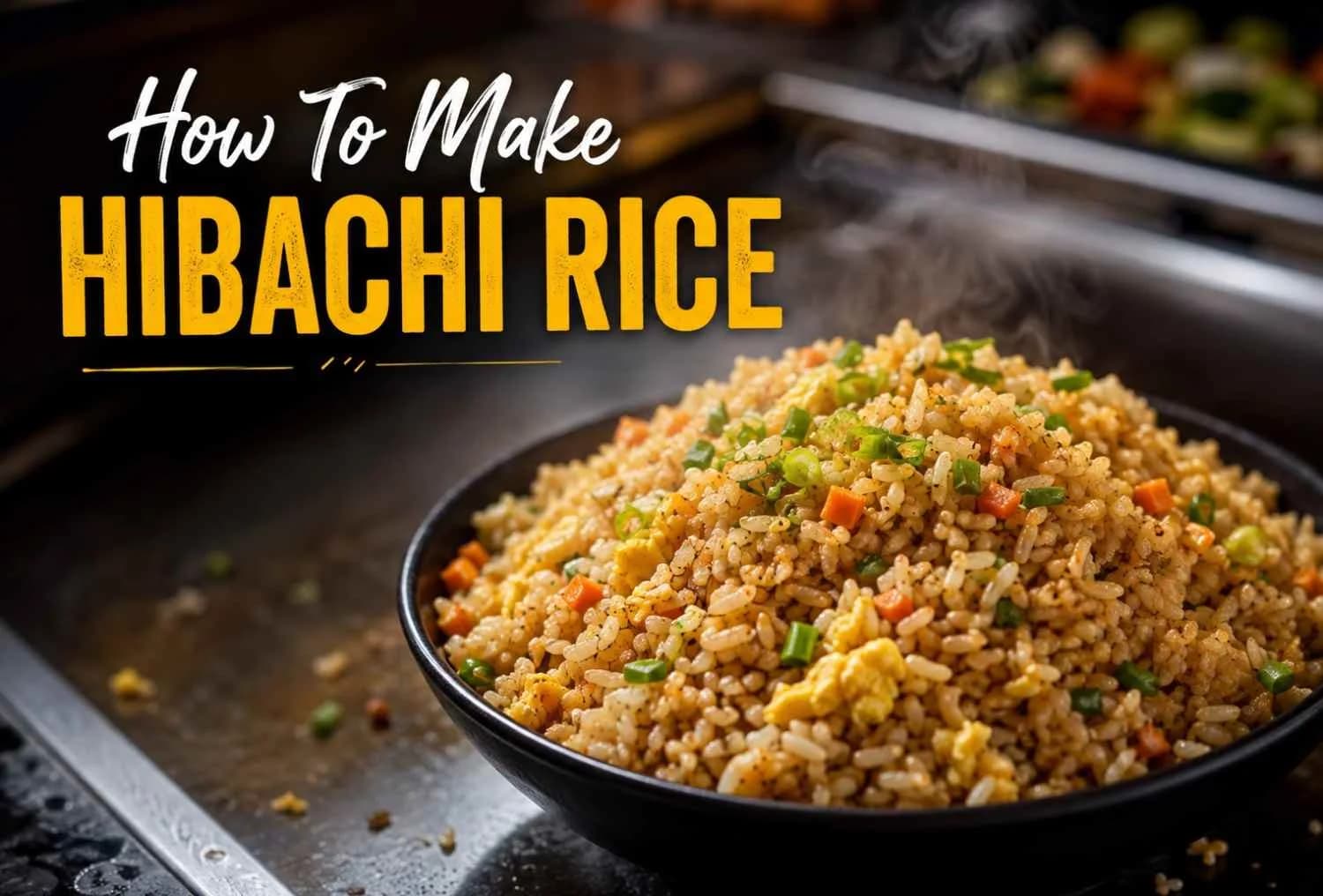
How to Make Hibachi Rice : 6 Easy Steps for Beginners


There's a moment at every hibachi dinner when the chef drops cold rice onto the flat-top, adds a few tablespoons of butter, and the whole grill erupts in this sizzling, garlicky cloud of steam. Everyone at the table stops talking. You just watch.
That's what people are actually chasing when they search for how to make hibachi rice. Not just a recipe. That moment.
This guide is going to get you there. Full ingredients, real technique, the mistakes that quietly ruin the dish, and a quick yum yum sauce you can make with five things you probably already have.
What Actually Makes Hibachi Rice Different
People assume hibachi rice is just fried rice with a Japanese-restaurant label on it. It isn't.
Traditional Chinese-style fried rice is built on oil, soy sauce, and sesame oil. Good. But hibachi rice, the kind at a teppanyaki steakhouse, runs on butter. A lot of it. That single swap changes everything. Butter adds a richness and a slight creaminess that oil simply can't deliver, especially when it hits a 500-degree grill surface and starts to brown.
The rice variety matters too. Most hibachi restaurants use Calrose rice, a medium-grain Japanese variety whose starch content lets it hold shape under high heat without turning mushy. Long-grain white rice works at home, and jasmine is a solid choice. But Calrose is worth finding if you want to get closest to the restaurant version. Most large grocery stores carry it in the Asian foods aisle.
Then there's the heat. This is the hardest part to replicate. Hibachi grills run at temperatures home stoves can't match, which creates a deeper caramelization on the rice. You notice the difference immediately watching a HibaChef chef work a live teppanyaki grill at a backyard event. You can get close at home, and this guide covers how. But understanding that gap is exactly why every technique tip below actually matters.
Ingredients You Need (And What Not to Skip)
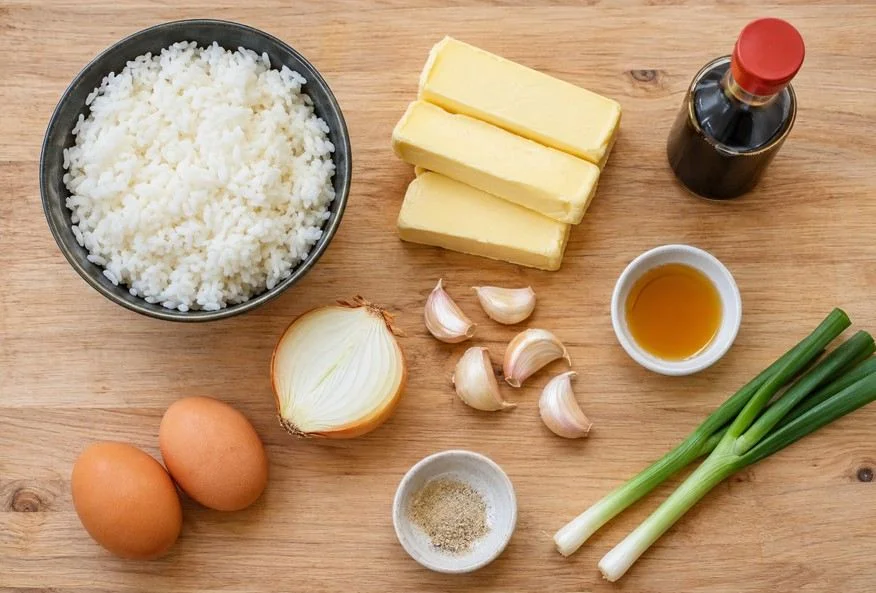
For 4 servings:
- 3 cups cooked white rice (day-old, refrigerated overnight)
- 3 tablespoons unsalted butter, divided into three equal portions
- 1 tablespoon vegetable oil or avocado oil
- 3 garlic cloves, minced fine
- 1 small yellow onion, finely diced
- 2 large eggs, lightly beaten
- 3 tablespoons low-sodium soy sauce
- 1 teaspoon toasted sesame oil
- 2 green onions, sliced thin
- Salt and white pepper to taste
Optional but worth adding:
- 1 tablespoon mirin (a Japanese sweet rice wine that adds subtle sweetness and depth)
- 1 tablespoon rice vinegar (brightens the whole dish without tasting like vinegar)
A few ingredient notes worth knowing. Use unsalted butter because the soy sauce handles most of the salt, and unsalted lets you control the final level. Toasted sesame oil goes in off the heat at the very end because high temperatures destroy its flavor. White pepper instead of black gives the dish a slightly more authentic quality. Small detail, noticeable result.
And don't cut the butter to lighten the dish. It's not a garnish. It's the foundation.
The Step Most People Get Wrong Before They Even Start Cooking
Day-old rice. This one decision separates hibachi rice that works from hibachi rice that doesn't, and most first-timers miss it completely.
Here's what's actually happening. Freshly cooked rice is full of surface moisture. Add it to a hot pan and that moisture converts to steam immediately, dropping the pan temperature and causing the rice to steam instead of fry. The result is clumped, soft, and dense. Nothing like what you ordered at the restaurant.
Rice that's been cooked and refrigerated overnight loses that surface moisture. The grains dry out and separate. When they hit the hot pan, they fry properly, pick up color, and absorb the butter and soy sauce without becoming paste.
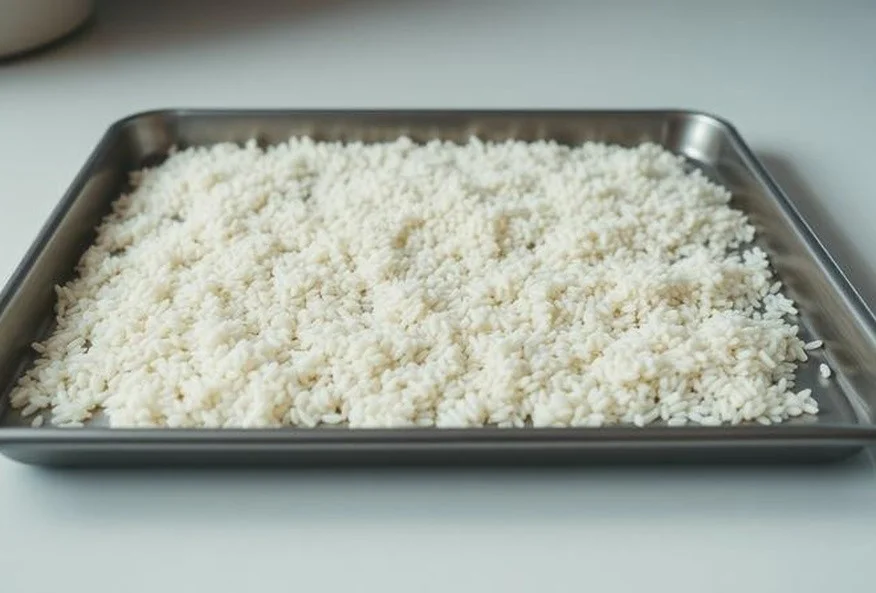
Cook your rice the night before. Spread it on a sheet tray to cool, then refrigerate uncovered for a couple of hours before transferring to a container. That's genuinely all it takes.
Forgot to plan ahead? Spread freshly cooked rice in a thin layer on a baking sheet and put it in the freezer for 25 minutes. Not identical to overnight rice, but it works.
How to Make Hibachi Rice, Step by Step
Step 1: Prep Everything Before You Turn on the Burner
This is not a recipe where you can mince garlic while the eggs are cooking. Everything moves fast on high heat. Have every ingredient prepped, measured, and sitting next to the stove before the pan goes on. Beat the eggs. Combine the soy sauce and mirin in a small bowl. Break up any cold clumps in the rice with your hands. Dice the onion, mince the garlic, slice the green onions.
Mise en place isn't just for restaurant chefs. It's the whole reason this dish comes out right.
Step 2: Get the Pan Properly Hot
Use a large cast iron skillet or a carbon steel wok. Set it over the highest heat your stove produces and let it preheat for a full 2 minutes before adding anything. A drop of water should evaporate the instant it touches the surface. That's the minimum temperature you need to get caramelization.
Most home cooks rush this step or skip it entirely. That's the first place the recipe dies.
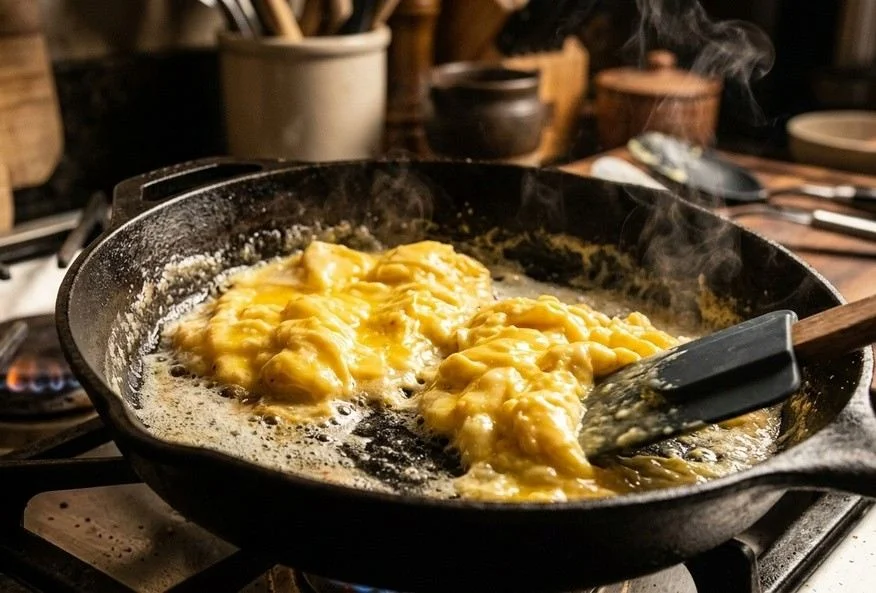
Step 3: Scramble the Eggs First
Add 1 tablespoon of butter to the hot pan. As soon as it melts and starts to foam, pour in the beaten eggs. Let them sit for about 5 seconds. Then stir with a spatula in large, sweeping motions. Pull them when they're just set but still look slightly underdone. Soft curds, not dry crumbles. Remove from the pan and set aside in a bowl. They'll finish cooking when the rice goes in.
Step 4: Build the Flavor Base
Add the oil and another tablespoon of butter. Once the butter melts, add the diced onion and cook for 2 to 3 minutes, stirring, until it softens and picks up a little color at the edges. Add the minced garlic and stir constantly for 30 seconds. Not longer. Garlic burns fast at this heat, and burnt garlic can't be fixed. The moment it smells fragrant and turns just barely golden, move immediately to the next step.
Step 5: Add the Rice, Then Leave It Alone
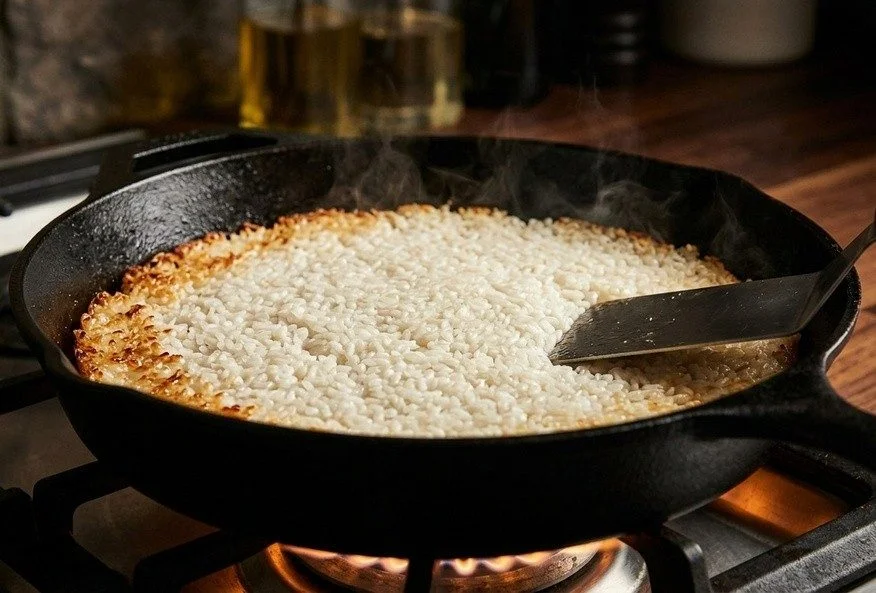
Add all of your cold rice to the pan at once. Spread it into an even layer across the full surface. Press it down gently with the back of your spatula.
Now don't touch it for 60 seconds.
That contact time with the hot pan is exactly what creates the slightly crispy, toasted bottom layer that makes hibachi rice taste the way it does. After 60 seconds, flip sections of the rice and press down again. Let it sit for another 30 to 45 seconds.
Pour the soy sauce (and mirin, if using) over the rice. Toss quickly to combine. It will sizzle and absorb almost instantly. Fold the scrambled eggs back in and break them into pieces as you stir them through.
Step 6: Finish and Plate
Take the pan off the heat. Add the remaining tablespoon of butter and drizzle the sesame oil over the top. Toss to coat. Taste and adjust salt if needed. Add white pepper. Plate immediately and top with sliced green onions. The texture changes as it cools, so serve it while it's hot.
Mistakes That Kill the Recipe
- Crowding the pan: For groups larger than 4, cook in two separate batches. A crowded pan drops in temperature and the rice steams instead of frying. The first batch will be great. A second batch from an overfull pan won't be.
- Using fresh rice: Already covered, but worth repeating because it's the most common mistake by a wide margin.
- Stirring constantly: The 60-second rest period is doing real work. Stirring nonstop prevents any crust from forming at all. Resist the instinct.
- Starting with a cold or lukewarm pan: If the butter just melts slowly when you add it instead of sizzling immediately, the pan isn't ready. Take it off the heat, let the pan preheat longer, and start again. Five extra minutes of patience here makes a real difference.
- Skipping the butter finish: The tablespoon added off the heat at the end gives the rice a glossy, restaurant-quality coating. It's about texture as much as it's about flavor. Don't skip it.
The Sauce That Makes It Complete
Hibachi rice without yum yum sauce is like a baked potato without sour cream. Technically fine. Not the full experience.
Yum yum sauce, the creamy pink-orange dipping sauce you get at every Japanese steakhouse in America, takes about 5 minutes to make from things you likely already have. Whisk together:
- 1/2 cup mayonnaise
- 1 tablespoon ketchup
- 1 teaspoon rice vinegar
- 1/2 teaspoon garlic powder
- 1/4 teaspoon smoked paprika
- 1 tablespoon water
Stir until smooth. Refrigerate for at least 30 minutes before serving. The flavor improves noticeably after an hour, so make it while you prep the rice.
Drizzle it over the finished rice or serve it in a small bowl on the side. Either way, make it.
What to Serve With Hibachi Rice
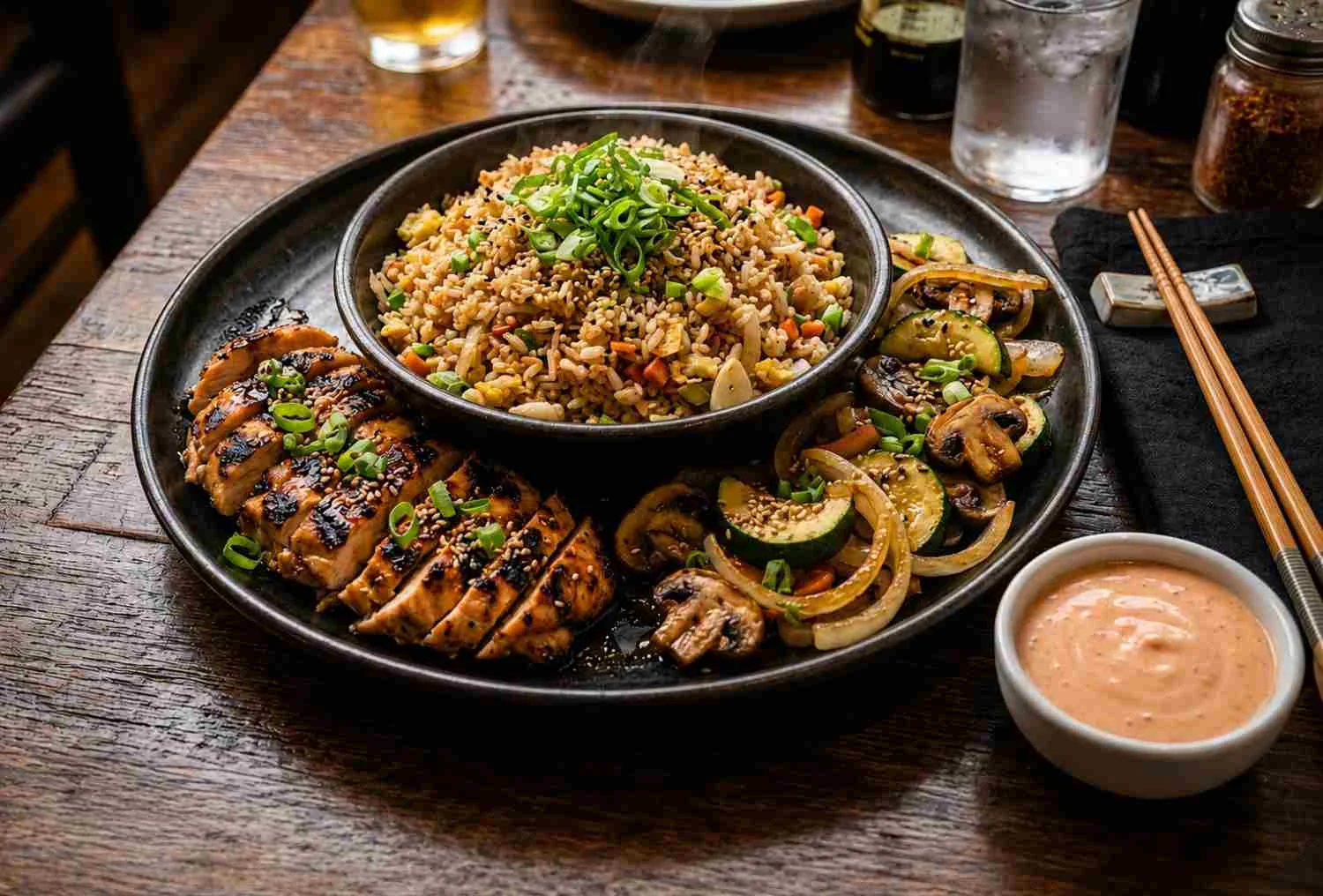
Hibachi rice was designed to anchor a bigger plate, not sit alone. The natural pairings are hibachi chicken (soy, butter, and lemon over high heat, about 8 minutes), hibachi shrimp (90 seconds a side, nothing more), and hibachi steak or NY strip sliced thin after a quick sear. Grilled zucchini, mushrooms, and onions cooked in the same soy-butter base round out the spread.
If you're building a full hibachi dinner at home and want to see how professionals structure the courses, the HibaChef menu shows exactly what a complete teppanyaki spread looks like, which is a useful reference for how the courses fit together.
A bowl of miso soup on the side takes 4 minutes to make from paste. It ties the whole meal together better than you'd expect.
Want the Full Hibachi Experience Without Cooking?
Here's the honest truth. You can make very good hibachi rice at home with this recipe. The butter is right, the technique is right, and you'll be satisfied with the result.
But the flat-top grill running at 600 degrees, the chef who has cooked this dish a thousand times without looking at a recipe, the fire tricks, the live show that turns dinner into an event. None of that comes from a cast iron skillet on a home stove.
That's exactly what HibaChef delivers. Our private hibachi chefs bring the full teppanyaki setup directly to your backyard and cook everything live in front of your guests. Birthdays, graduations, bachelorette weekends, corporate dinners. Any occasion where the food should be the main event of the night.
Use the party cost estimator to get a quick number for your group, and when you're ready, it takes about two minutes to book your event.
Frequently Asked Questions
What kind of rice do hibachi restaurants use?
Most Japanese steakhouses use Calrose rice, a medium-grain Japanese variety that holds its shape under high heat without clumping. Jasmine rice is the most accessible substitute. Avoid sushi rice or any other short-grain sticky variety since they turn gummy when fried.
Can I make this with fresh rice instead of day-old?
You can, but the texture won't be right. Fresh rice has too much surface moisture, which causes it to steam rather than fry when it hits the pan. If you're short on time, spread hot rice on a sheet pan and freeze it for 25 minutes before cooking. Not perfect, but it helps.
Is hibachi rice the same as fried rice?
Similar technique, different outcome. The defining difference is butter. Hibachi rice uses butter as its primary fat, which produces a richer, creamier flavor than oil-based Chinese-style fried rice. The rice variety and the heat level also differ in meaningful ways.
What is the secret ingredient in hibachi rice?
Butter, and more of it than feels reasonable at first. Most home cooks seriously underestimate how much butter hibachi restaurants use. Combined with fresh garlic and a very hot surface, that's where the signature flavor actually comes from. No exotic ingredients, no mystery powders.
Do I need a wok?
No. A large cast iron skillet works very well and holds heat evenly. Avoid non-stick pans since most non-stick coatings degrade at the high temperatures this recipe needs. A carbon steel wok is the other strong option if you have one.
How do I store and reheat leftover hibachi rice?
Store in an airtight container in the fridge for up to 3 days. To reheat, put a small knob of butter in a hot skillet, add the rice, press it flat, and let it sit for a minute before stirring. The skillet method brings the texture back almost completely. The microwave makes it soft and flat.
What sauce goes with hibachi rice?
Yum yum sauce is the standard pairing. The recipe is above and takes five minutes to make. Ginger sauce is the other common option at Japanese steakhouses: a sharp, vinegar-forward sauce with soy, garlic, and lemon that cuts through the richness of the rice. Both are better homemade than store-bought.
The Latest
Poolside Hibachi in Miami: The Ultimate Private Dining Experience
October 18, 2026
9 minutes read
How to Plan a Miami Beach House Hibachi Party
October 11, 2026
10 minutes read
How to Host an Outdoor Hibachi Party in Miami Without Going to a Restaurant
October 6, 2026
14 minutes read
How to Plan a Hibachi Pool Party in Orlando
October 5, 2026
14 minutes read
Best Hibachi Chicken Recipe: Restaurant-Style in 30 Minutes
September 23, 2026
11 minutes read
Related Blogs

Poolside Hibachi in Miami: The Ultimate Private Dining Experience
October 18, 2026