Best Hibachi Chicken Recipe: Restaurant-Style in 30 Minutes


You walk out of a Japanese steakhouse with a full belly, a slightly lighter wallet, and one very persistent thought: "I could totally make that at home." The good news? You absolutely can, and it is easier than you think.
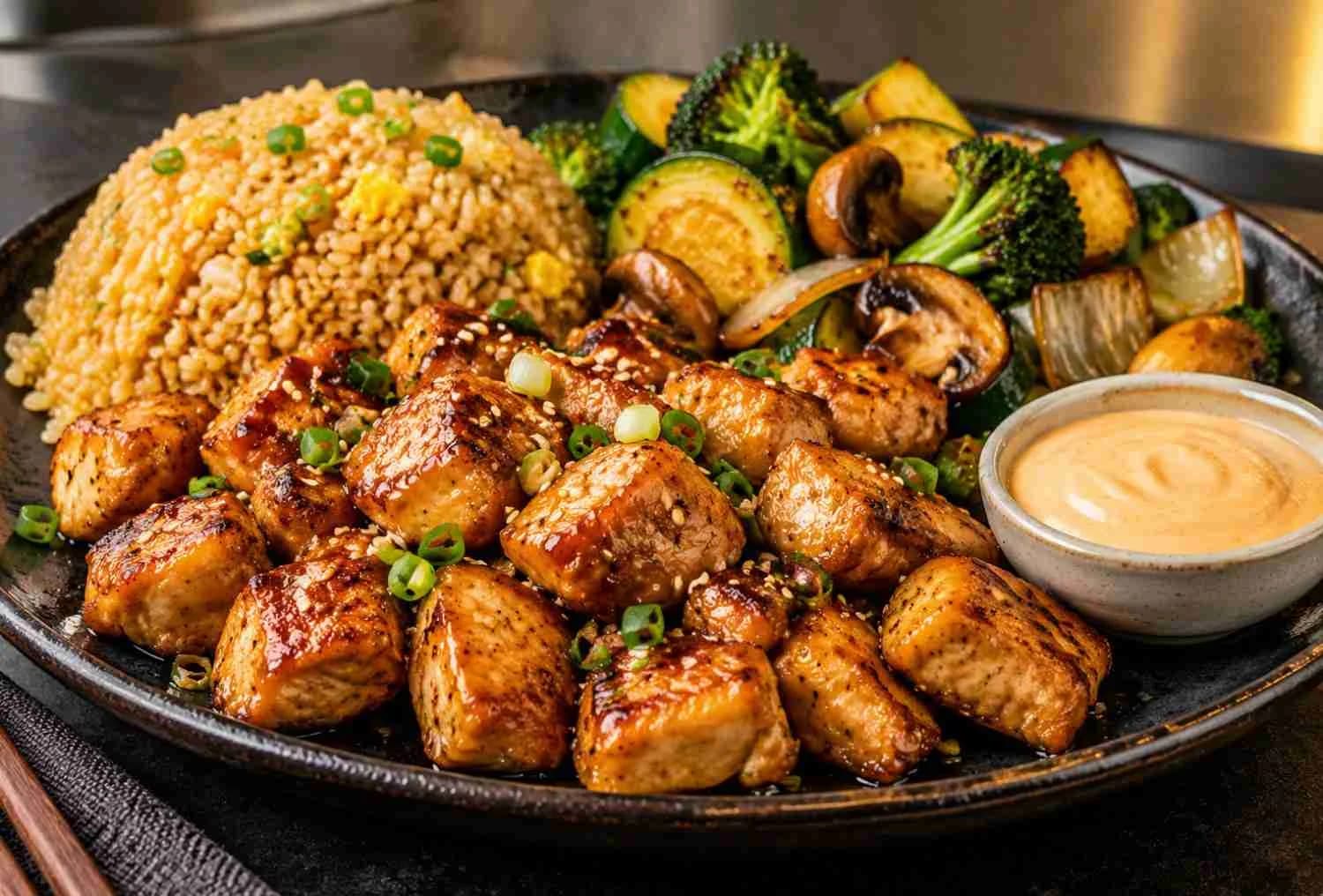
This hibachi chicken recipe gives you everything you love about a steakhouse dinner without the reservation, the wait, or the $30-per-plate price tag. We are talking juicy, golden-seared chicken coated in a rich garlic butter sauce, served alongside crispy fried rice, tender vegetables, and that creamy yum yum sauce you cannot stop thinking about. All of it comes together in one skillet in about 30 minutes.
No flat-top grill. No chef's hat. No onion volcano. Just really, really good chicken.
What Is Hibachi Chicken?
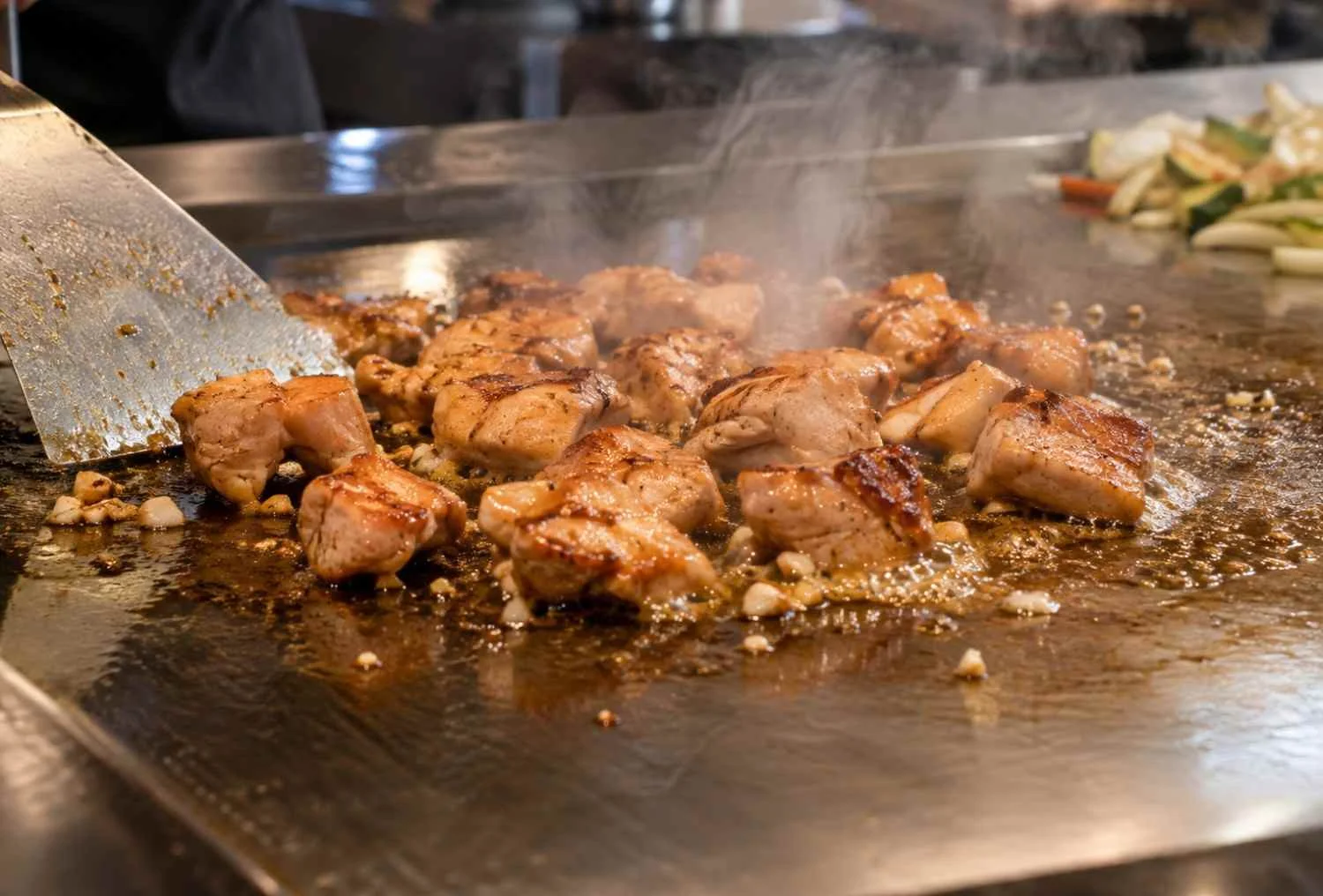
Here is a fun fact that surprises most people: what Americans call "hibachi" is technically not hibachi at all.
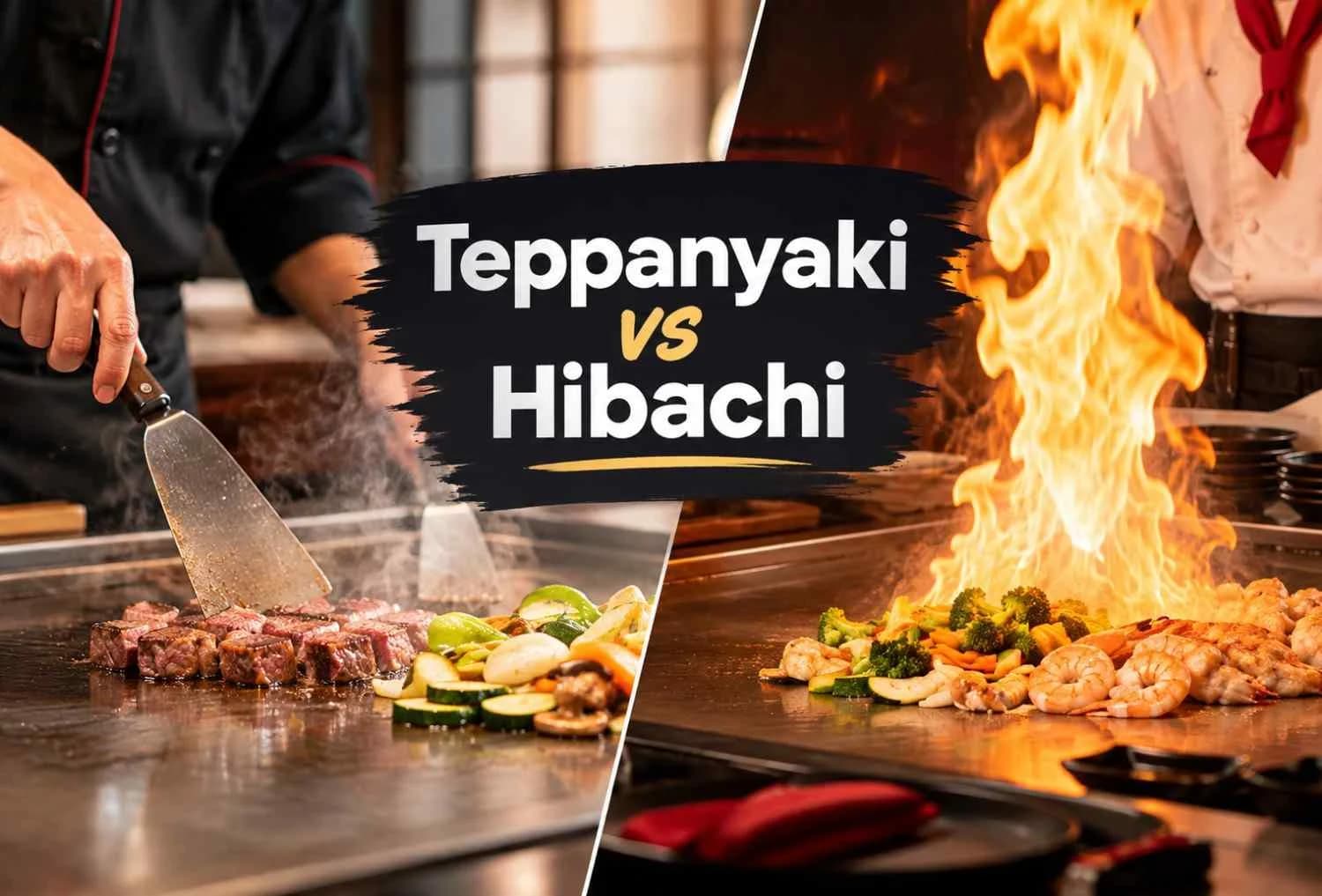
The word "hibachi" comes from two Japanese words: "hi," meaning fire, and "bachi," meaning bowl. The original hibachi dates back to Japan's Heian period, between 794 and 1185 AD. It was a portable charcoal-burning container used to heat homes, not a cooking style. According to Benihana's own history, the theatrical, flat-top-grill dining experience that Americans fell in love with is actually called teppanyaki, meaning "iron plate grilled." Hiroaki "Rocky" Aoki introduced this style of cooking to the United States when he opened the first Benihana in Midtown Manhattan in 1964, and the name "hibachi" just stuck in American culture.
So when you order hibachi chicken at a Japanese steakhouse, you are getting teppanyaki-style chicken cooked on a hot iron griddle with garlic, butter, and soy sauce. And that combination is exactly why it tastes so different from your average pan-cooked chicken. If you want to know the difference in more details, check out our discussion on Teppanyaki vs Hibachi.
Three things set it apart. First, the high heat creates a sear that locks in juices and builds a lightly caramelized exterior. Second, the garlic butter coats every piece in a rich, aromatic layer that regular oil simply cannot replicate. Third, the finishing trio of soy sauce, sesame oil, and fresh lemon juice creates a savory, nutty, and bright flavor balance that hits every note at once.
Now you know what you are making. Let's get into it.
Ingredients for This Hibachi Chicken Recipe
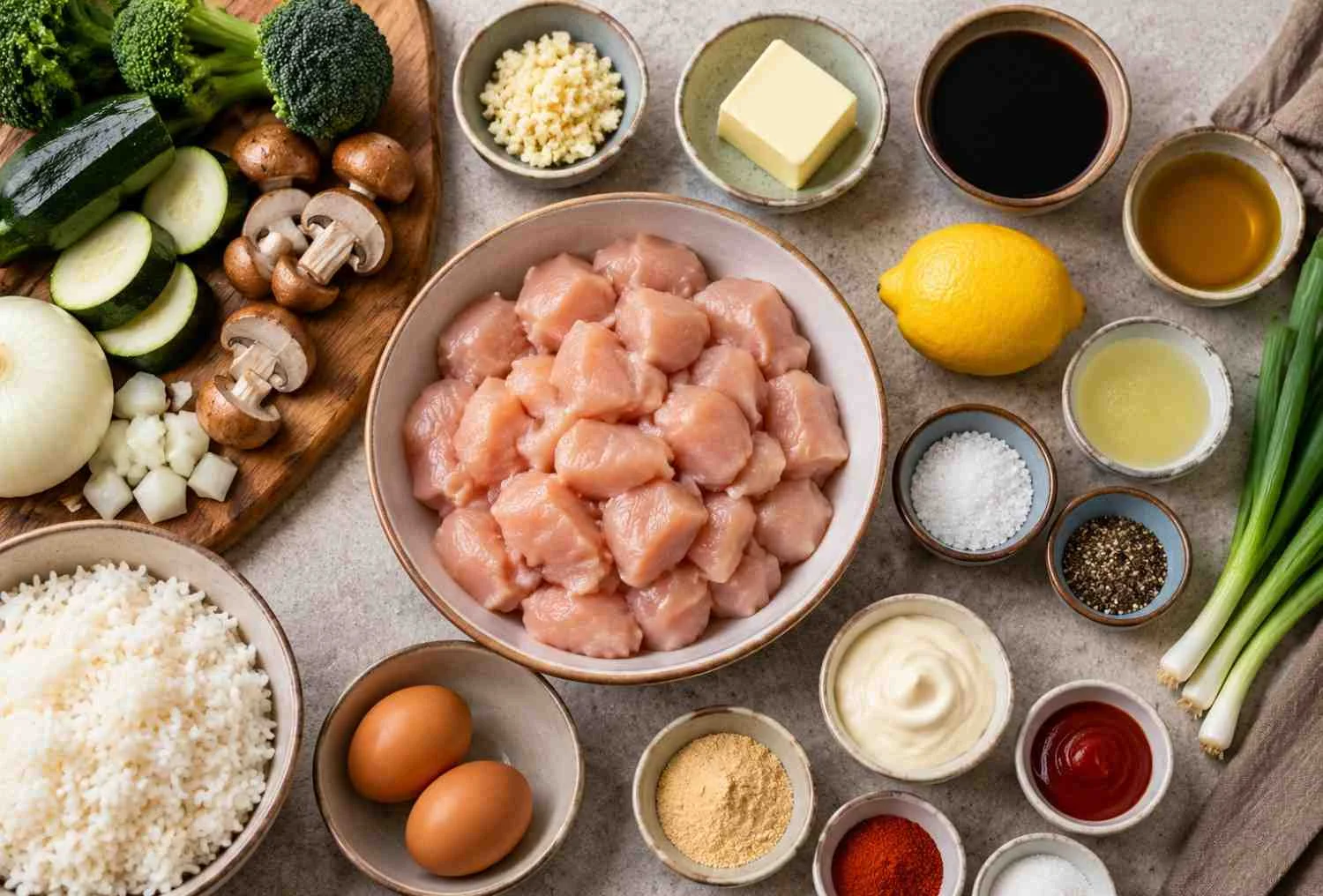
Good news here: every single item on this list is available at a regular grocery store. Nothing exotic, nothing hard to find.
For the Chicken:
- 1.5 lbs boneless, skinless chicken breasts or thighs, cut into 1-inch pieces
- 2 tablespoons unsalted butter
- 3 garlic cloves, freshly minced
- 3 tablespoons soy sauce (or low-sodium soy sauce)
- 1 tablespoon sesame oil
- 1 teaspoon fresh lemon juice
- Salt and black pepper to taste
For the Yum Yum Sauce:
- 1 cup mayonnaise
- 1 tablespoon ketchup or tomato paste
- 1 tablespoon melted butter
- 1 teaspoon rice vinegar
- 1 teaspoon garlic powder
- 1/2 teaspoon paprika
- 1 teaspoon sugar
- 1 to 2 tablespoons water, to thin
For the Hibachi Vegetables:
- 1 medium zucchini, sliced
- 1 cup mushrooms, halved
- 1 large white onion, chopped
- 1 cup broccoli florets (optional)
- 1 tablespoon butter
- 2 tablespoons soy sauce
For the Hibachi Fried Rice:
- 3 cups day-old cooked white rice
- 2 eggs
- 3 tablespoons butter
- 2 tablespoons soy sauce
- 1 teaspoon sesame oil
- 3 green onions, sliced
Worth checking out: How to make hibachi rice as a beginner.
Quick Substitution Guide:
| Ingredient | Best Substitution |
|---|---|
| Soy sauce | Tamari or coconut aminos (both gluten-free, 1:1 ratio) |
| Butter | Ghee or plant-based butter |
| Chicken breast | Chicken thighs (juicier under high heat) |
| Sesame oil | Avocado oil (flavor will be milder) |
| Zucchini | Bell peppers, snap peas, or broccoli |
TEquipment You Will Need
You do not need any specialty equipment. A large cast iron skillet is the best option because it holds heat extremely well and creates a deep sear. A large wok works just as well. If you only have a regular nonstick skillet, that works too, though the sear will not be quite as pronounced. A meat thermometer is helpful to confirm the chicken hits 165°F internally.
How to Make Hibachi Chicken: Step by Step
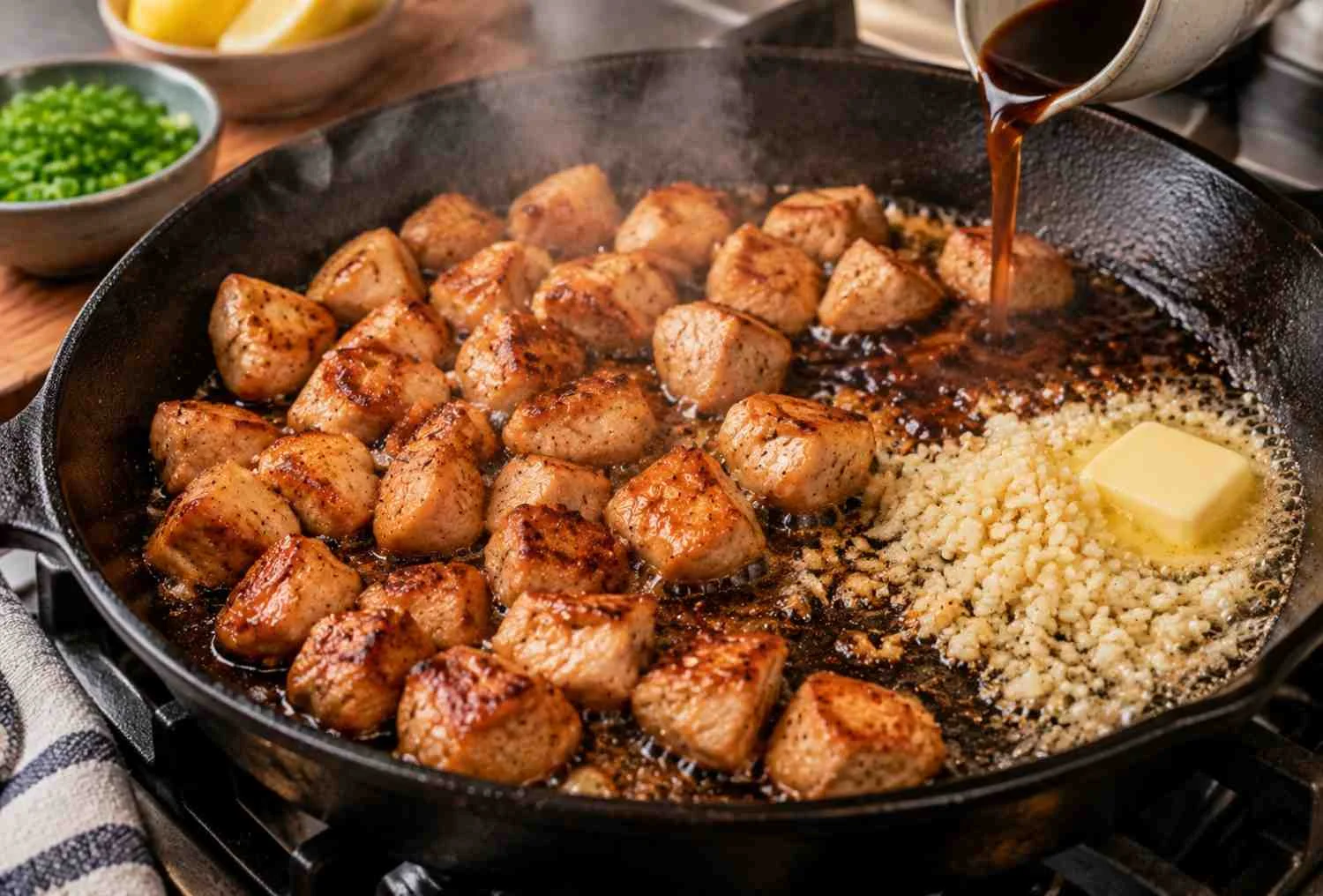
The single most important thing to understand before you start: hibachi-style cooking moves fast. Have everything prepped and ready before you turn on a burner. This is not a recipe where you can chop garlic while the chicken is already in the pan.
Step 1: Make the Yum Yum Sauce First
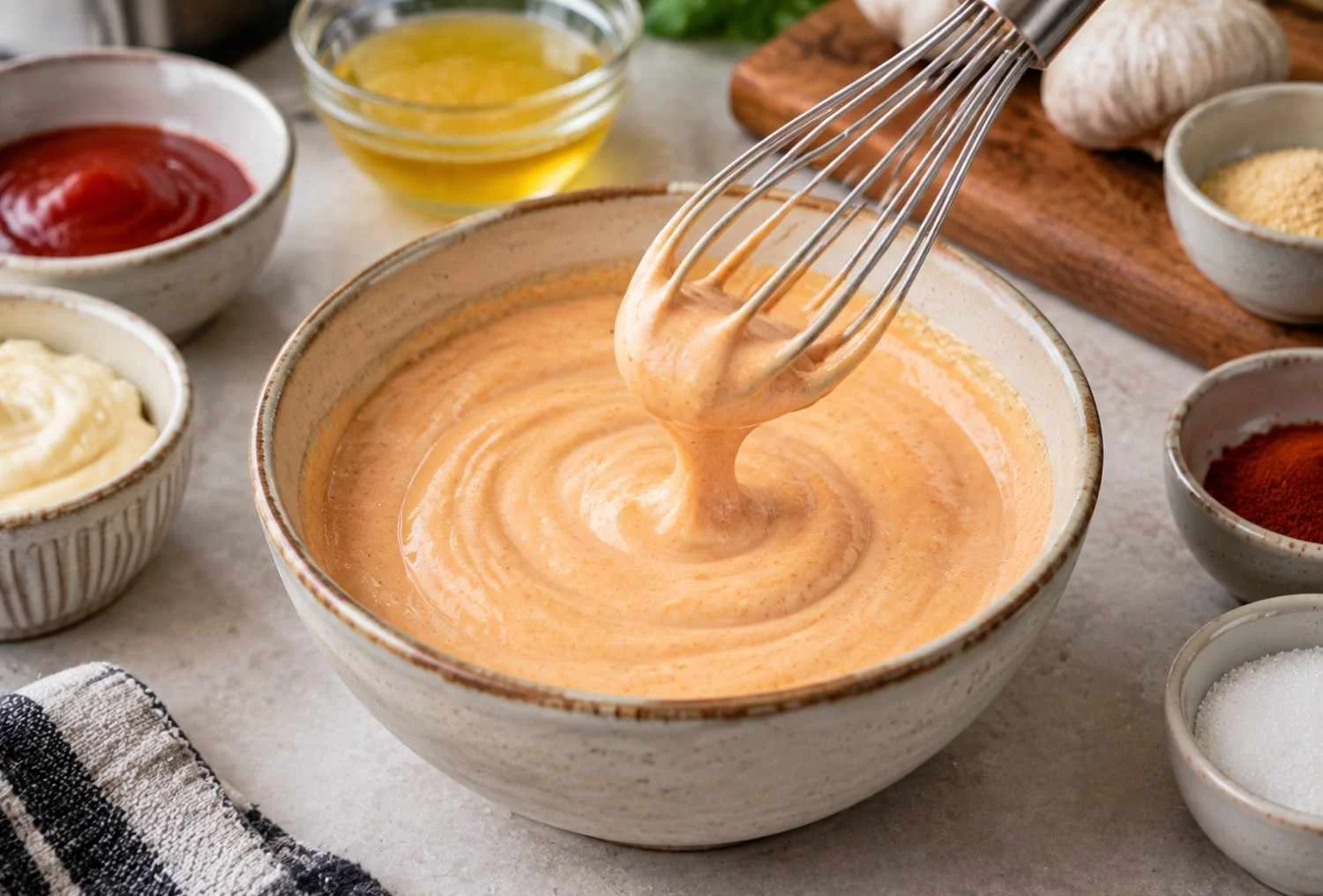
Combine the mayo, ketchup, melted butter, rice vinegar, garlic powder, paprika, and sugar in a small bowl. Whisk until smooth. Add water one tablespoon at a time until it reaches a drizzleable consistency. Taste and adjust the seasoning. Cover and refrigerate while you cook everything else. The longer it sits, the better it tastes.
Step 2: Prep Your Ingredients
Cut the chicken into even 1-inch pieces and pat them completely dry with paper towels. This step matters more than most people realize. Any moisture on the surface of the chicken will create steam in the pan and prevent the sear from forming. Dry chicken equals golden, flavorful chicken. Mince your garlic, chop your vegetables, and have your cooked rice measured and ready.
Step 3: Cook the Hibachi Chicken
Heat your cast iron skillet or wok over medium-high heat until very hot. Add the sesame oil and let it shimmer. Add the chicken pieces in a single layer and do not touch them for 2 to 3 minutes. Let the sear build. If you move the chicken too early, it will stick and the crust will not form.
Once the chicken is golden on the bottom, flip the pieces. Push them to one side of the pan. Add the butter and minced garlic to the empty side. Let the butter melt and the garlic sizzle for about 30 seconds until fragrant. Then fold the chicken back in and toss everything together. Pour in the soy sauce, let it reduce for 1 to 2 minutes, and finish with fresh lemon juice. Transfer to a plate and cover loosely with foil.
Step 4: Cook the Hibachi Vegetables
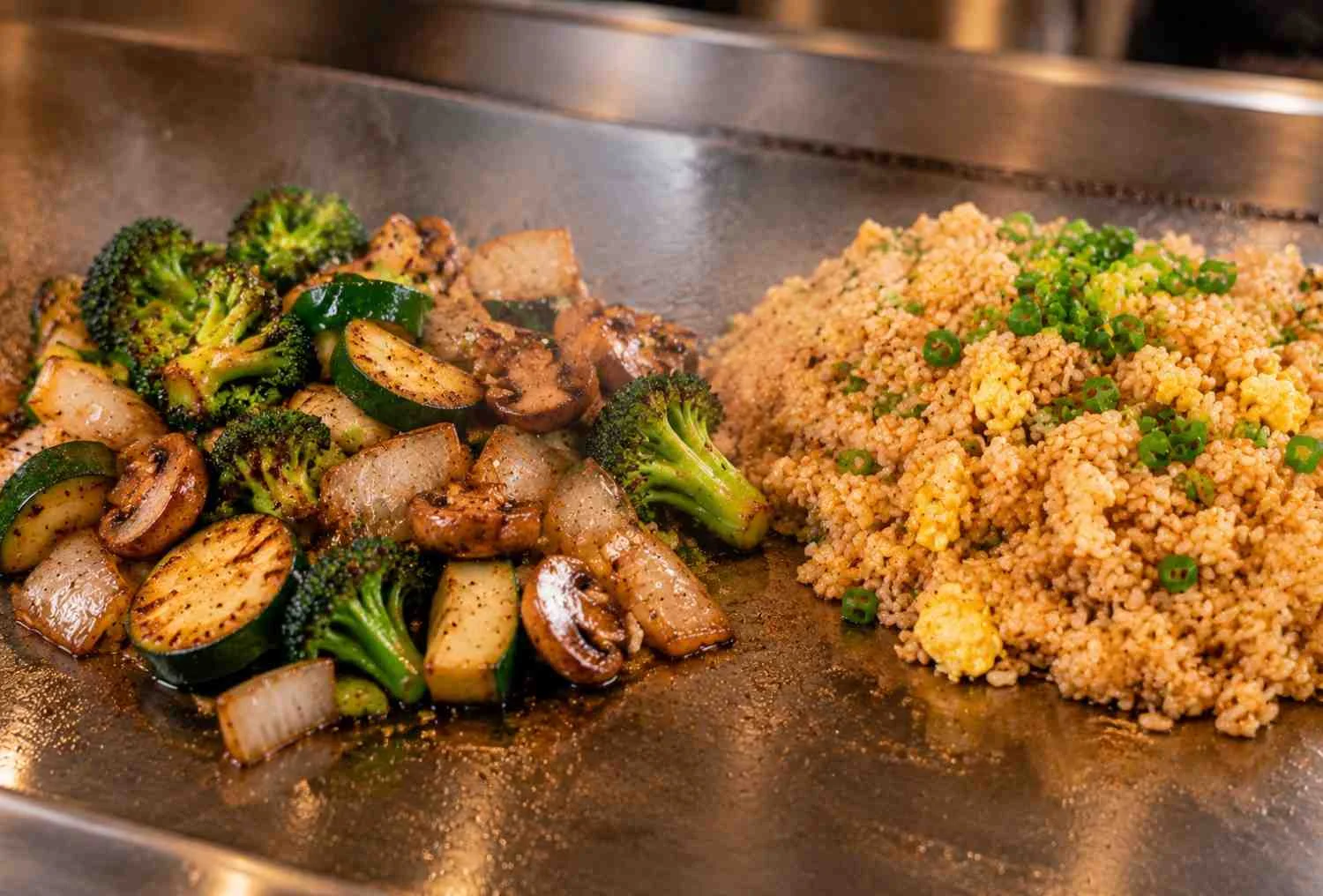
In the same pan (do not clean it; those garlic butter remnants are flavor), add a tablespoon of butter. Add your vegetables and cook over high heat for 4 to 5 minutes, stirring occasionally. Add soy sauce, salt, and pepper. You want them tender but still with a little bite to them.
Step 5: Make the Hibachi Fried Rice
Add butter to the same pan. Add the day-old rice and press it flat. Let it sit for 60 seconds without stirring to develop some color. Push the rice to one side, crack the eggs into the empty half, and scramble them. Once cooked, fold the eggs into the rice. Add soy sauce, sesame oil, and sliced green onions. Toss everything together and remove from heat.
Step 6: Plate and Serve
Scoop the fried rice as a base, add the vegetables alongside, and place the garlic butter chicken on top. Drizzle the yum yum sauce generously or serve it in a small bowl on the side for dipping. A sprinkle of sesame seeds and sliced green onions finishes it off beautifully.
The Garlic Butter Technique That Changes Everything
Most home cooks toss the butter and garlic in with the chicken all at once. Restaurant cooks do not. They use a two-stage approach, and it makes a real difference.
After the chicken is seared, push it to one side of the pan. Add cold butter directly to the empty, hot side. Let it melt and start to foam. Add the minced garlic into that melting butter and let it sizzle for 30 seconds without touching it. The garlic blooms in the fat and creates a concentrated, aromatic paste. Then, and only then, you fold the chicken back in and toss everything together.
What this does is coat every piece of chicken in a garlic-infused butter emulsion rather than just adding garlic on top of already-cooked meat. The flavor penetrates the surface instead of sitting on it. This is the technique that makes people ask "how did you make this taste like a restaurant?"
Pro Tips for the Best Results
- Use fresh garlic, not jarred: The difference in this recipe is noticeable. Fresh garlic blooms differently in butter and creates a sharper, more aromatic flavor.
- Do not overcrowd the pan: If your skillet cannot fit all the chicken with space around each piece, cook in two batches. Overcrowding drops the pan temperature and causes steaming instead of searing.
- Use day-old rice for the fried rice: Rice cooked the day before has less moisture and fries up with the right texture. Fresh rice turns mushy.
- Do not skip the lemon juice: It seems minor but it balances the richness of the butter and lifts the whole dish.
- Let the yum yum sauce chill: Even 20 minutes in the fridge makes it taste noticeably better.
Variations Worth Trying
- Protein swaps: This same technique works beautifully with shrimp (cook in under 5 minutes), sirloin steak (cut into bite-sized pieces and cook to your preferred doneness), or extra-firm tofu (press it very dry first).
- Spice it up: Stir a teaspoon of Sriracha into the yum yum sauce or add chili garlic paste to the chicken while it cooks for a spicy version.
- Make it gluten-free: Swap the soy sauce for tamari or coconut aminos in a 1:1 ratio. Everything else in this recipe is already gluten-free.
How to Store and Reheat
Store cooked hibachi chicken in an airtight container in the refrigerator for up to 4 days. Keep the yum yum sauce separate. For longer storage, freeze the chicken for up to 3 months and thaw overnight in the refrigerator before reheating.
The best way to reheat it is in a skillet over medium heat with a small splash of soy sauce and a pat of butter. This brings the glaze back to life and prevents the chicken from drying out. The microwave works in a pinch, but the sear will soften.
Nutrition Information (Per Serving, Approximate)
| Nutrition | Amount |
|---|---|
| Calories | 370 kcal |
| Protein | 38g |
| Fat | 18g |
| Carbohydrates | 6g |
| Sodium | 980mg |
Note: Values are for the chicken only and do not include fried rice or yum yum sauce. For reference, a full hibachi dinner at a restaurant can reach 900 to 1,400 calories per sitting. The homemade version cuts that significantly while delivering the same flavor and makes the hibachi recipe healthy.
Frequently Asked Questions About Hibachi
What seasoning is on hibachi chicken?
Hibachi chicken is seasoned with salt, black pepper, garlic, ginger, and sesame seeds. Beyond those dry seasonings, the real flavor comes from butter, soy sauce, sesame oil, and fresh lemon juice added during cooking. No mystery spice blends. Just simple ingredients cooked fast over very high heat.
How should I marinate my chicken for hibachi?
Combine soy sauce, sesame oil, fresh minced garlic, grated ginger, and a splash of rice vinegar. Toss in your chicken pieces and let them sit for at least 30 minutes at room temperature, or up to 4 hours in the fridge. Even a short marinade adds noticeable depth of flavor.
What is the best recipe for hibachi chicken?
The best hibachi chicken recipe nails three things: a high-heat sear, the garlic butter technique, and the right balance of soy sauce, sesame oil, and lemon juice. The recipe on this page covers all three, plus yum yum sauce, fried rice, and hibachi vegetables, all in 30 minutes.
What is the secret to hibachi?
Two things: high heat and garlic butter. The intense heat creates a caramelized sear that low-temperature cooking simply cannot replicate. The garlic butter adds richness and carries flavor into every bite. Get your pan screaming hot, use real butter with fresh garlic, and you have the foundation of great hibachi.
Is hibachi sauce just teriyaki sauce?
No. Hibachi cooking uses soy sauce with garlic, ginger, butter, and sesame oil for a clean, savory flavor. Teriyaki sauce adds mirin, sake, and sugar, giving it a sweet, sticky glaze. Hibachi is about the cooking technique. Teriyaki is about the sauce. They taste and behave very differently.
What two sauces do they give you at hibachi?
Yum yum sauce and ginger sauce. Yum yum is the creamy, mayo-based white sauce with a mild, slightly sweet flavor. Ginger sauce is thinner, darker, and more savory, made with fresh ginger, soy sauce, and rice vinegar. Some restaurants also add a creamy mustard sauce as a third option.
The Latest
How to Host an Outdoor Hibachi Party in Miami Without Going to a Restaurant
October 6, 2026
14 minutes read
How to Plan a Hibachi Pool Party in Orlando
October 5, 2026
14 minutes read
Teppanyaki vs Hibachi: What's the Real Difference?
September 10, 2026
11 minutes read
How to Make Hibachi at Home: A Complete Guide to Restaurant-Quality Results
September 6, 2026
11 minutes read
Is Hibachi Healthy? Here's What's Actually in Your Meal
August 30, 2026
10 minutes read
Related Blogs
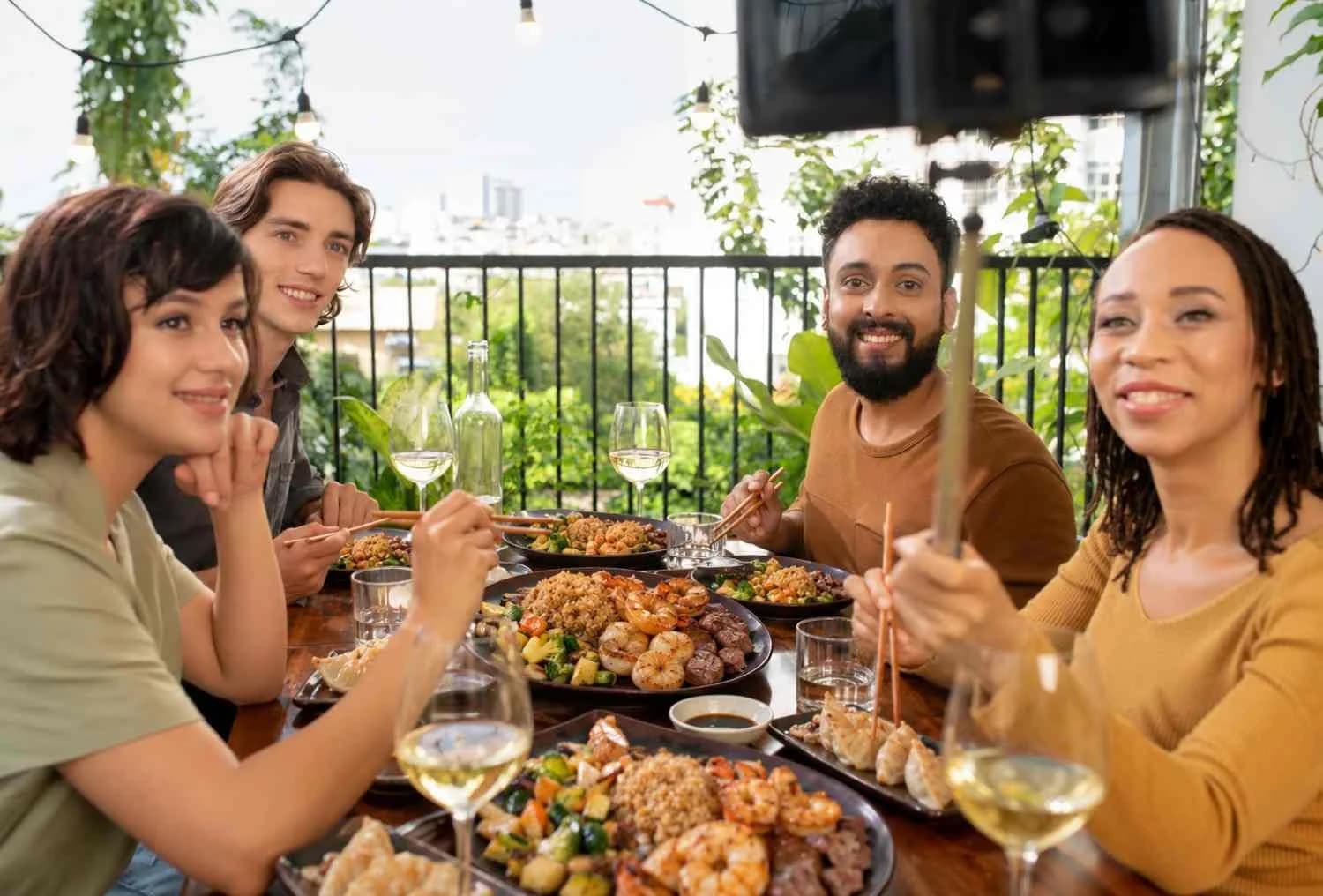
How to Host an Outdoor Hibachi Party in Miami Without Going to a Restaurant
October 6, 2026