Teppanyaki vs Hibachi: What's the Real Difference?


You have probably used the words "teppanyaki" and "hibachi" like they mean the same thing. Most people do, and honestly, most American restaurants have encouraged that confusion for decades. But when you pull back the curtain, these two cooking traditions are genuinely different. Different equipment, different history, different experience, and different food.
If you are planning a private dining event, a birthday party, or just want to understand what a chef actually does when they show up at your backyard with a sizzling flat-top grill, this guide breaks down the teppanyaki vs hibachi debate from every angle.
What Is Hibachi? A Look at the Original Tradition
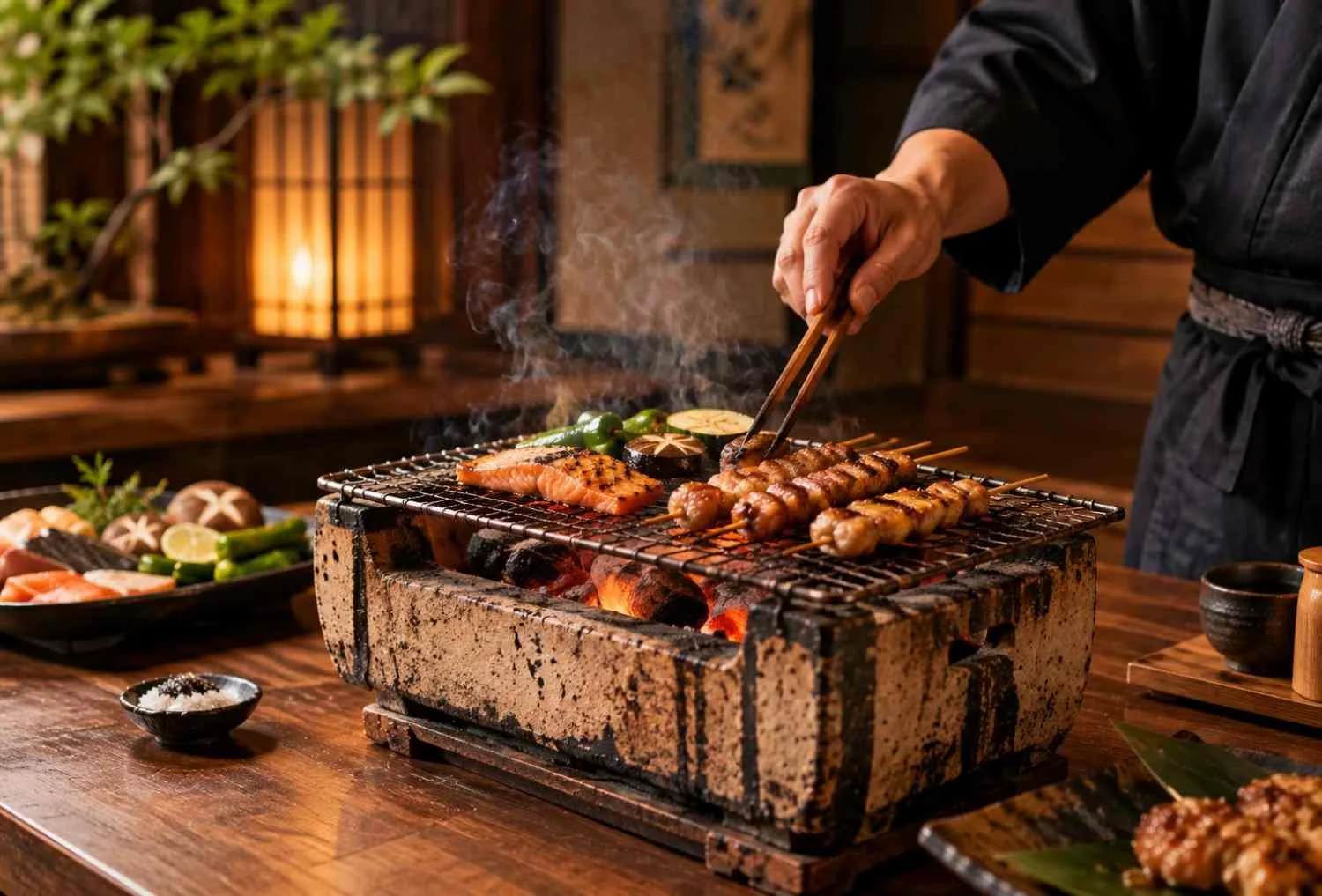
The word "hibachi" comes from the Japanese words hi (fire) and bachi (bowl or pot). Literally translated, it means fire bowl. In Japan, a hibachi is a traditional heating device, not a cooking appliance. It is a small, open-topped container made from ceramic, wood, or cast iron that holds burning charcoal to warm a room.
When hibachi was used for cooking, it looked nothing like what most Americans picture today. Traditional hibachi cooking uses an open charcoal grate or small brazier where food is placed directly over the heat. Think of it as a more intimate, ancient version of a backyard charcoal grill. The foods cooked this way tend to be smaller portions like fish, skewers, and vegetables, prepared slowly and without a lot of theatrics.
Hibachi cooking in its original form is quiet, precise, and deeply rooted in Japanese culinary tradition. The chef relies on the natural flavor of charcoal-kissed food rather than performance or spectacle. It is an experience built around the food itself.
What Is Teppanyaki? The Show Behind the Sizzle
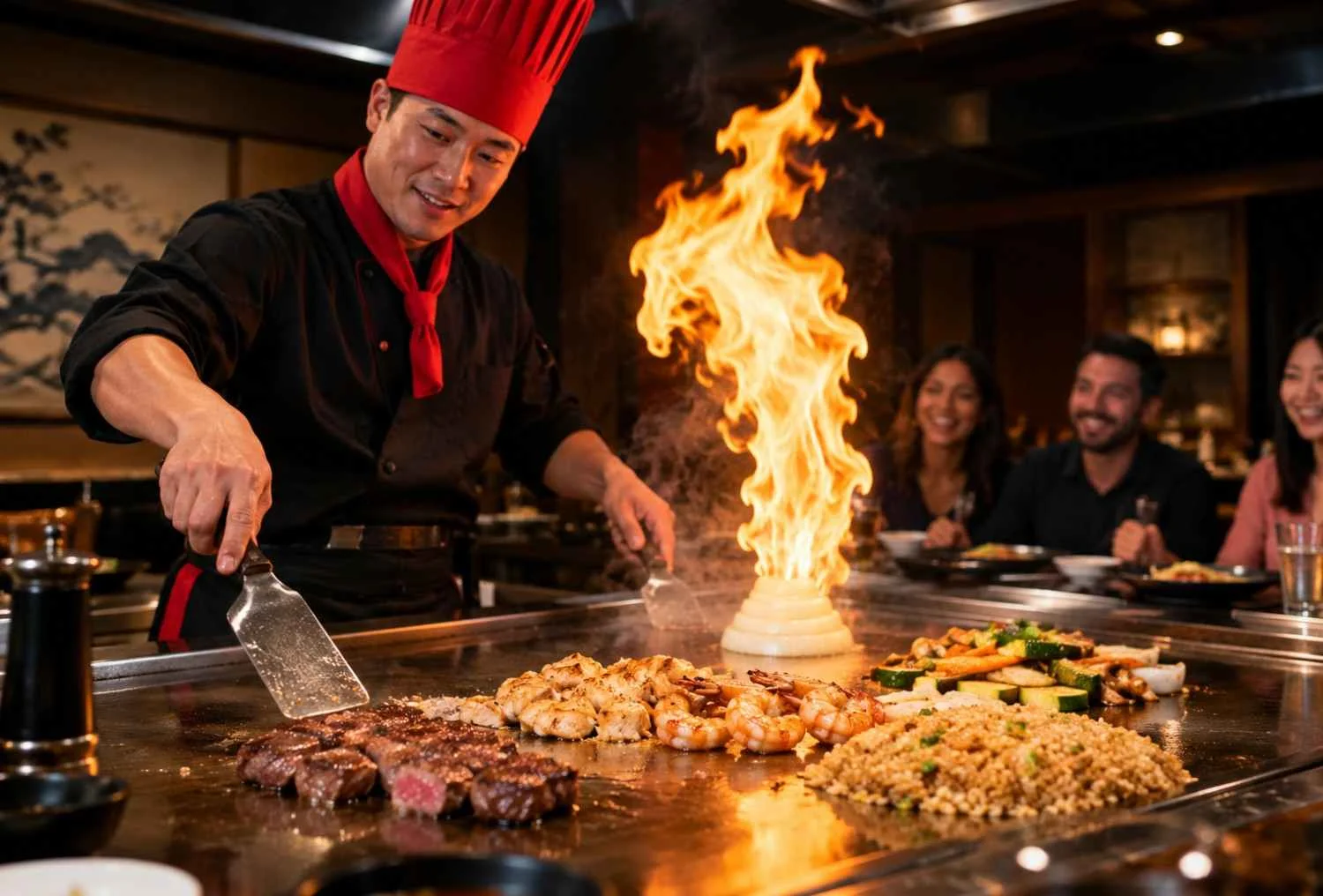
Teppanyaki tells a very different story. The word breaks into teppan (iron plate) and yaki (grilled or broiled). So teppanyaki literally means food cooked on a solid iron griddle, and that is exactly what it is.
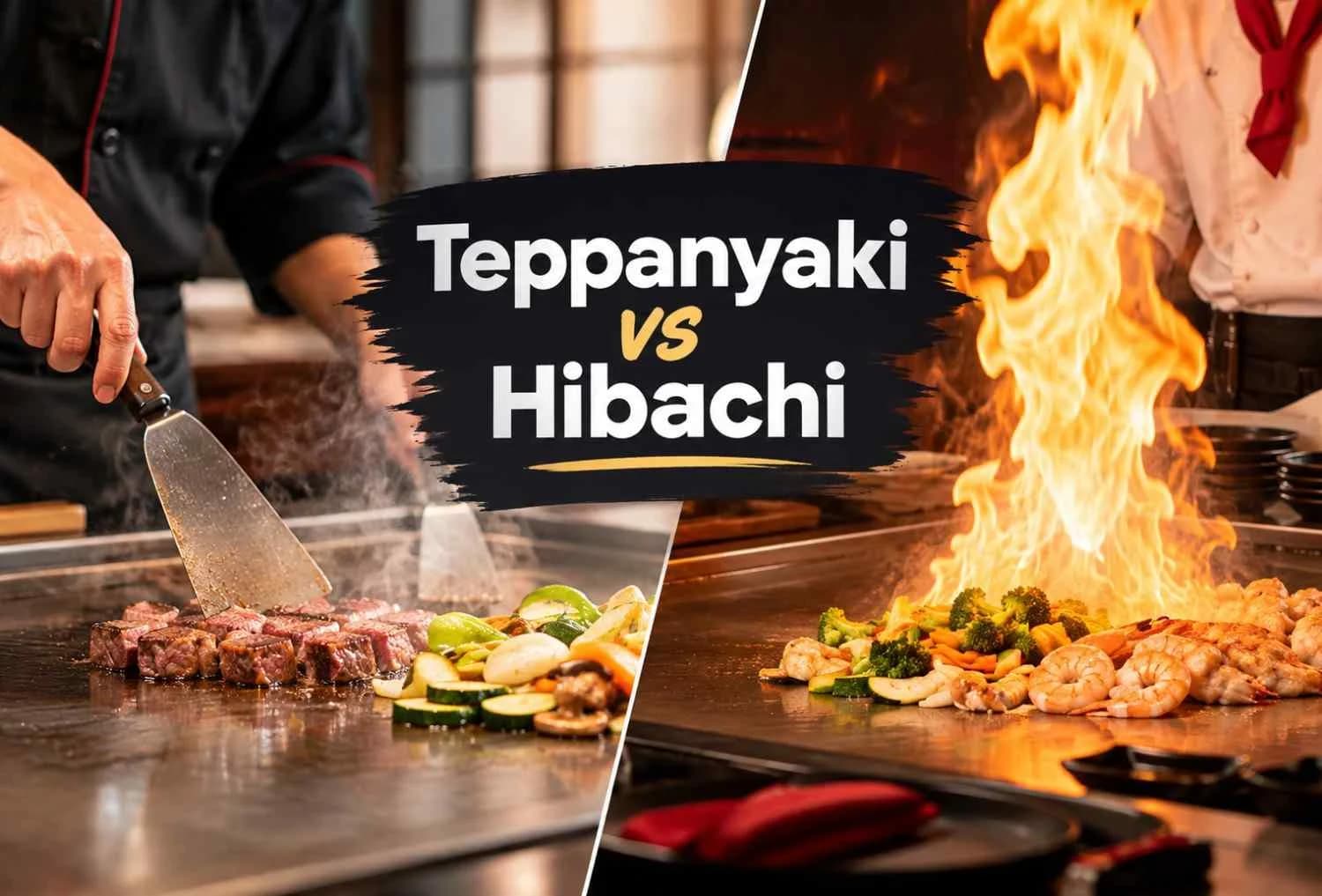
A teppanyaki setup uses a large, flat, solid iron cooking surface, usually powered by gas. Chefs work directly in front of guests at the table or cooking station, combining high-heat cooking with skilled showmanship. You have seen it before: the spinning spatulas, the flaming onion volcano, the shrimp toss, the egg roll trick. All of that is teppanyaki.
This cooking style became popular in Japan in the mid-20th century, but it exploded globally when Benihana opened its doors in New York City in 1964. The founder, Rocky Aoki, designed the restaurant around the idea of live entertainment cooking, where the chef becomes the main act. Teppanyaki was perfect for that vision, and the concept spread fast.
The food on a teppanyaki grill is also more substantial. We are talking about full meals: steak, chicken, shrimp, lobster, fried rice, sauteed vegetables, all cooked on one flat top in front of your eyes.
Worth Reading: How to make hibachi rice in 6 easy steps
Teppanyaki vs Hibachi: The Key Differences Side by Side
Here is where the comparison gets concrete. When you put teppanyaki vs hibachi on the same page, several clear differences emerge.
| Feature | Hibachi (Traditional) | Teppanyaki (American "Hibachi") |
|---|---|---|
| Cooking Surface | Open grate over charcoal or wood | Large, flat solid iron griddle |
| Heat Source | Charcoal or wood fire | Gas burners under the iron plate |
| Cooking Style | Slow, low-to-moderate heat | Fast, high-heat searing |
| Entertainment Level | Minimal; food-first experience | High showmanship, tricks, fire shows |
| Portion Size | Small, simple portions | Full multi-course meals |
| Menu Range | Fish, skewers, vegetables | Steak, chicken, shrimp, fried rice, more |
| Setting | Intimate, individual | Communal; guests gather around the grill |
| Flavor Profile | Subtle, smoky, charcoal-kissed | Bold, seared, savory with garlic and soy |
| Best For | Traditional Japanese home dining | Group events, parties, private catering |
Here is a closer look at what drives each of those differences.
Cooking Surface
Hibachi uses an open grate over charcoal or wood, similar in feel to a traditional BBQ grill. Teppanyaki uses a flat, solid iron griddle. These are not the same surface, and the difference affects everything from heat distribution to the type of food that can be cooked.
Heat Source
Hibachi traditionally relies on charcoal or wood, giving food a subtle smoky flavor. Teppanyaki uses gas burners under the flat iron plate, which allows for precise, consistent high heat across a large cooking area.
Cooking Style
Hibachi cooking is slow and deliberate. Small portions are cooked over low-to-moderate heat. Teppanyaki is fast and high-heat, which is what allows chefs to cook a full multi-course meal for a group in a relatively short time.
Entertainment Factor
This is where the gap is widest. Traditional hibachi cooking involves almost no showmanship. It is food-first. Teppanyaki, on the other hand, is built for performance. The whole point is that you are watching a chef who is also an entertainer. The tricks, the humor, the fire, all of it is part of the design.
Portion Size and Menu Range
Hibachi meals tend to be smaller and simpler. Teppanyaki supports a full restaurant-style menu: multiple proteins, rice, noodles, soup, and salad, all handled on a single flat surface.
Setting
Hibachi is typically a more private, intimate setup. Teppanyaki is communal by nature. Guests sit around the grill together, which is exactly what makes it such a powerful experience for group events.
Why Americans Call Teppanyaki "Hibachi"
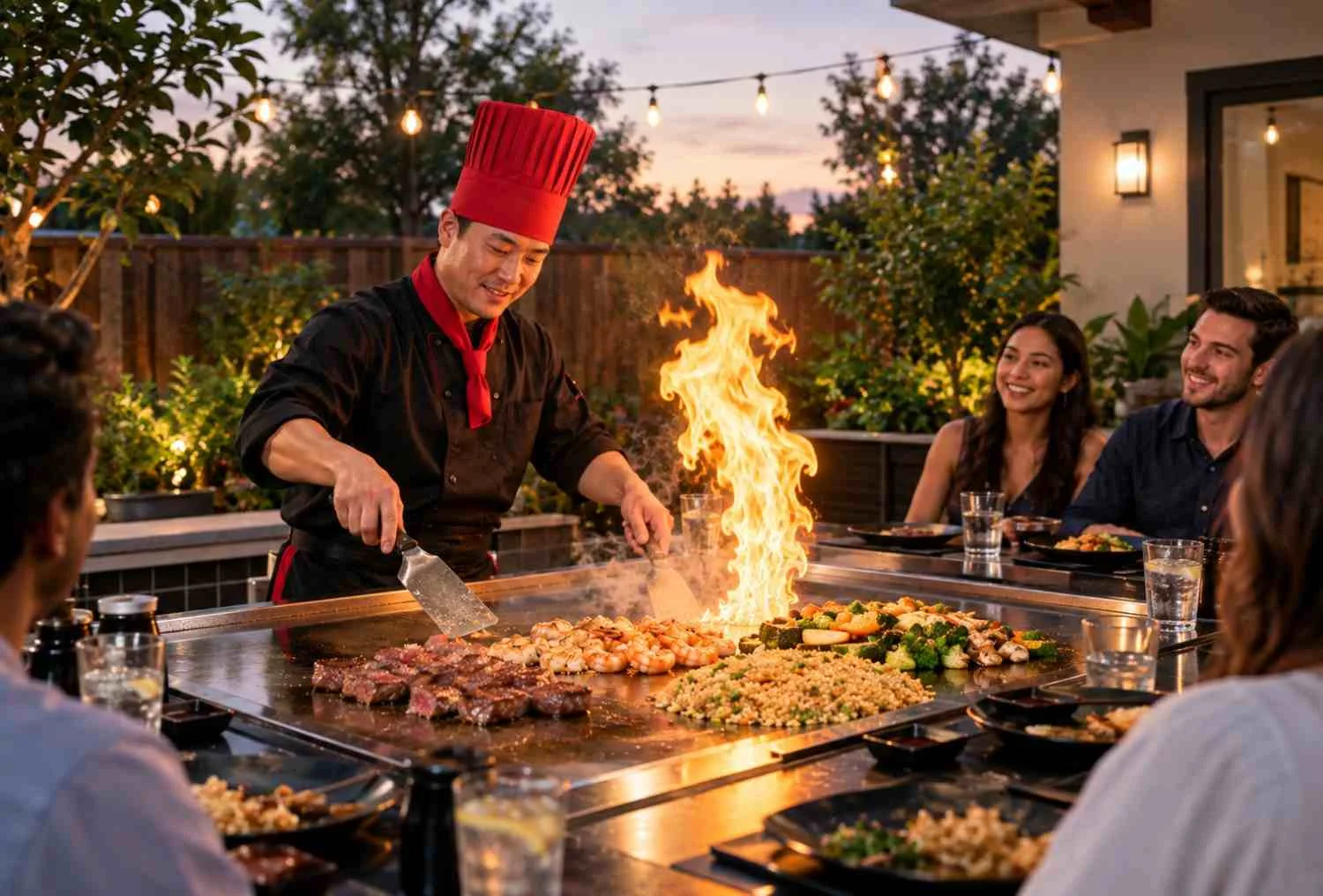
Here is the part that surprises most people. Almost every restaurant in the United States that calls itself a "hibachi restaurant" is actually serving teppanyaki.
The mislabeling became embedded in American culture because early Japanese restaurants in the US used the word "hibachi" when marketing their teppanyaki cooking. The word had a familiar, foreign sound that felt authentic to American customers. By the time the distinction would have mattered, the habits had already formed. Today, "hibachi" is essentially American slang for teppanyaki-style cooking.
That is not wrong. Language evolves, and if you say "I want hibachi tonight," everyone around you knows what you mean. But if you want to understand what a professional chef is actually doing at that flat-top grill, the correct term is teppanyaki.
If you’re more curious to know about it, check out the discussion on Is hibachi Japanese?
The Entertainment Factor: Why Teppanyaki Wins for Private Events
When you strip away the naming debate, the most important difference between teppanyaki and hibachi for anyone planning an event is the entertainment element. Teppanyaki cooking is not just a meal. It is a live performance built into dinner.
A skilled teppanyaki chef does things that make a room stop and stare. The rhythmic clang of spatulas, the controlled fire, the flying shrimp, the onion tower that goes up in flames. These moments create a shared experience that gets people talking, laughing, and engaged in a way that no catered tray of food ever could.
That is the reason private hibachi catering has become such a popular option for birthdays, bachelorette parties, corporate dinners, and family celebrations. The meal itself is excellent. But the performance is what people actually remember.
Which One Should You Choose for Your Event?
For private events, hibachi wins. Not by a small margin either. Here is what makes it the right choice every single time.
Hibachi is built for groups
A skilled hibachi chef works a large flat-top grill and can cook full multi-protein meals for an entire party at once. Whether you have 8 guests or 40, hibachi scales to meet the moment in a way that traditional charcoal cooking simply cannot.
Hibachi creates an experience, not just a meal
The live cooking, the fire, the knife tricks, the sizzle that fills the air before the food even hits the plate. A hibachi party is not dinner with entertainment on the side. The dinner is the entertainment. That is a distinction your guests will feel from the first moment the chef fires up the grill.
Hibachi fits every occasion
Birthday parties, bachelorette events, corporate team dinners, graduation celebrations, family reunions. Hibachi works for all of them. The guests change, the setting changes, but the energy a hibachi chef brings to the table stays the same.
Hibachi comes to you
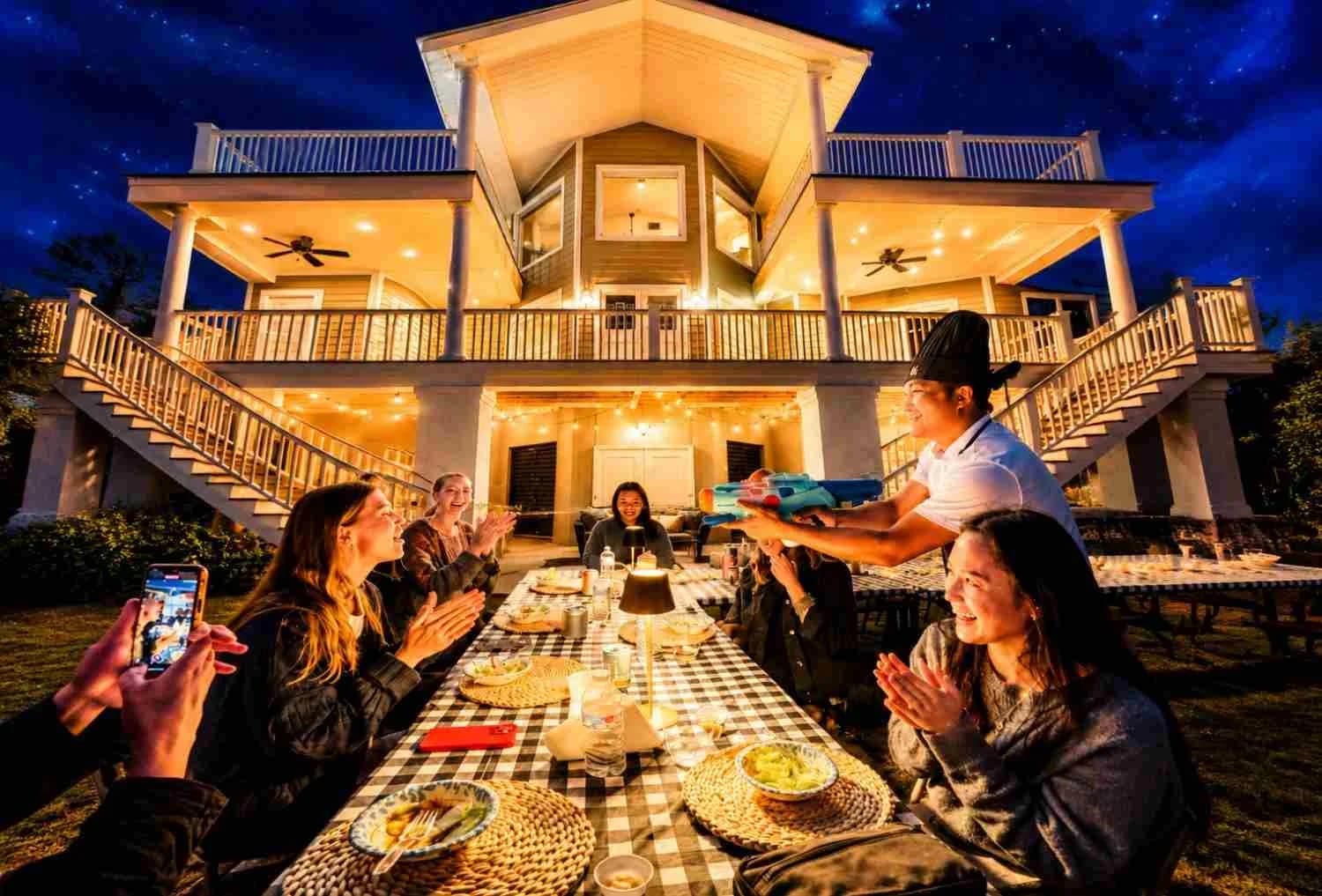
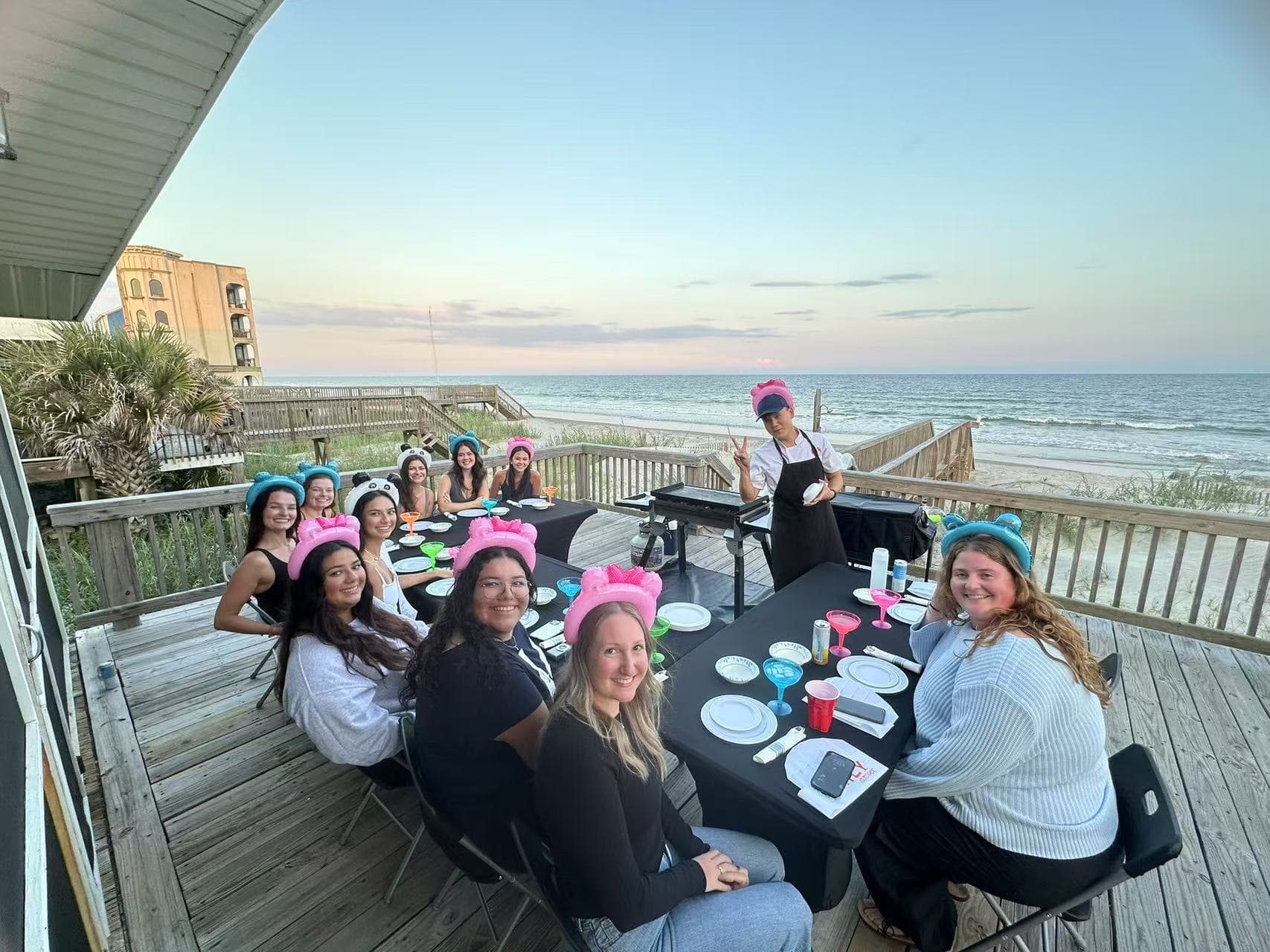
One of the strongest advantages of private hibachi catering is that you never have to leave home for it. A dedicated hibachi chef arrives at your backyard, patio, or indoor space with the grill, the ingredients, and everything needed for the full show. No reservations, no waiting, no sharing a restaurant with strangers.
Check the HibaChef menu to browse entree options, package tiers, and pricing. The Regular, Special, and Kids Packages are designed to cover every group size and budget, so there is a hibachi experience that fits your event exactly.
What Happens at a Private Hibachi Catering Event
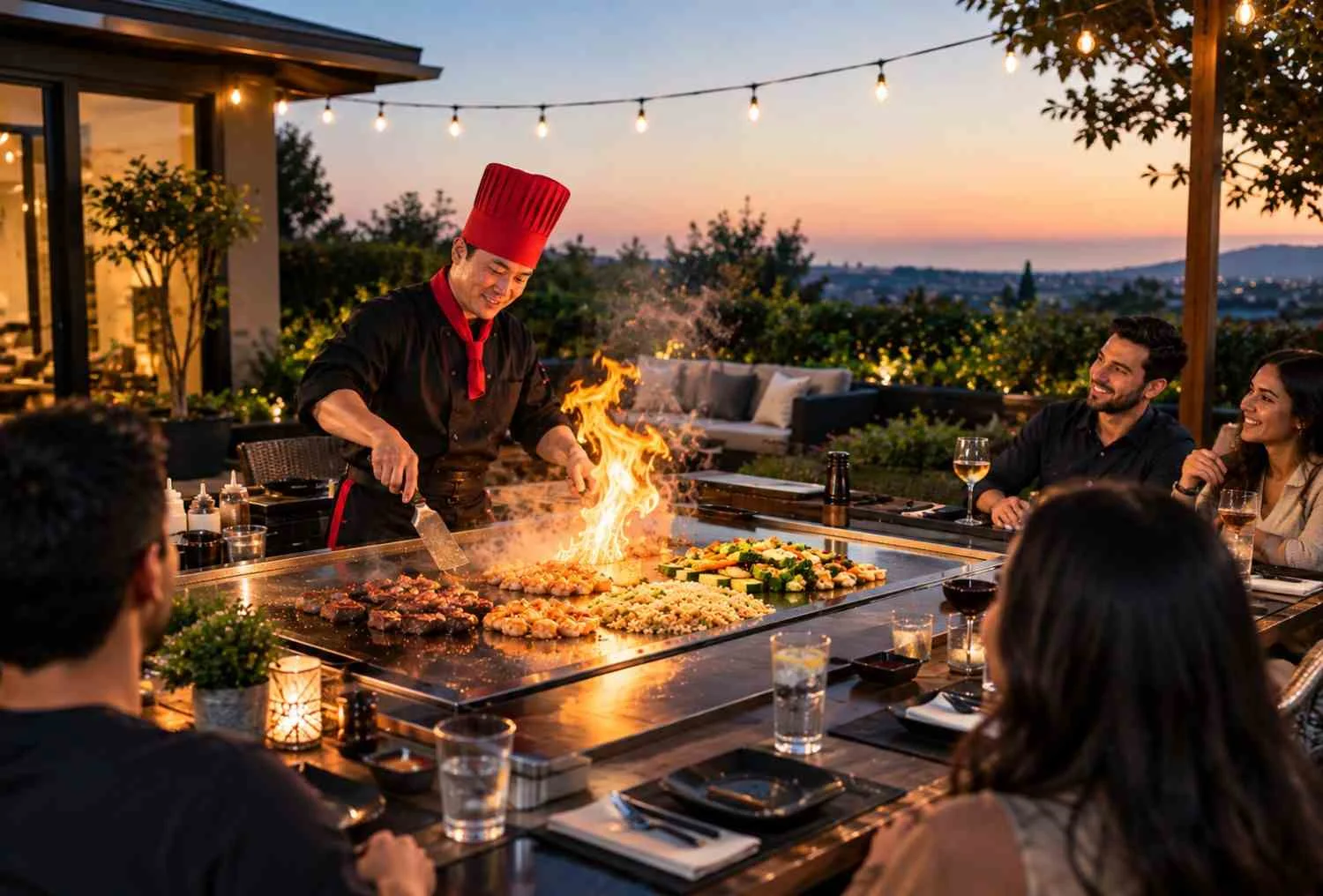
Understanding the teppanyaki vs hibachi distinction also helps you know what to expect when you book a private chef.
When a HibaChef team arrives at your home, they bring the grill, the ingredients, and the full show. You do not need to source anything or prepare the cooking space. The chef handles the performance while you focus on your guests.
The menu covers steak, chicken, shrimp, seafood, and fresh vegetables, all cooked live at the table. Fried rice is a staple. Every dish comes off the grill fresh, not warmed up from a catering tray.
If you’re curious to know how much it costs for your specific group, use the party cost estimator to get a quick number based on your headcount and package choice. Most parties land well within a budget you would spend at a mid-to-high-end restaurant anyway, except the entire experience happens in your own space with a chef dedicated solely to your event.
You can also browse the HibaChef gallery to get a visual sense of what the setup looks like in a real backyard or indoor space before you commit.
A Quick Note on Flavor: Does the Cooking Surface Actually Matter?
From a pure flavor standpoint, yes, the surface makes a difference. Hibachi charcoal cooking imparts a subtle smokiness that a flat-top griddle cannot replicate. If you are a purist who wants that specific charcoal note in your food, traditional hibachi is the way to get it.
Teppanyaki, however, delivers something else: the Maillard reaction on a massive, consistent scale. When proteins hit a screaming-hot flat iron plate, they develop a crust and caramelization that you simply do not get from a charcoal grate. That sear, combined with the garlic butter and soy-based seasonings most teppanyaki chefs use, is what makes the food taste the way it does. It is rich, deeply savory, and unapologetically bold.
For most diners at a private event, teppanyaki flavor wins simply because it is tuned for that kind of meal: large proteins, fried rice, and vegetables that all benefit from high-heat searing.:
Frequently Asked Questions About Hibachi
Is hibachi the same as teppanyaki?
Not technically, but in American usage they are treated as the same thing. True hibachi uses an open charcoal grate. Teppanyaki uses a flat iron griddle. Most US restaurants and catering services that call themselves "hibachi" are actually doing teppanyaki.
What do hibachi chefs cook on?
In the US, hibachi chefs typically cook on a large, flat iron teppanyaki griddle. This is the surface that allows for high-volume cooking, fried rice, and the theatrical tricks most people associate with the experience.
Why do Americans call teppanyaki "hibachi"?
The terms got mixed up when Japanese restaurants opened in the United States in the 1960s. Operators used "hibachi" in their marketing, and the word became embedded in American restaurant culture. The naming stuck even as the cooking style remained distinctly teppanyaki.
Can I have teppanyaki or hibachi at home?
Yes. Private hibachi catering services like HibaChef bring the full teppanyaki setup directly to your home, backyard, or event venue. You do not need a restaurant. A dedicated chef handles the cooking and entertainment on-site.
How many people do you need for a private hibachi event?
Most hibachi catering services have a minimum spend requirement rather than a strict headcount floor. HibaChef has a $550 minimum, so a small group can absolutely book an event. Larger groups naturally get more value per person at that price floor.
What is the best occasion for a hibachi party?
Hibachi catering works especially well for birthdays, bachelorette parties, graduation parties, corporate team events, and family celebrations. Any occasion where you want a shared, memorable experience around food fits the format perfectly.
Wrapping Up
The teppanyaki vs hibachi debate is interesting, but the real question is simpler: do you want a meal that becomes an event? If the answer is yes, teppanyaki-style hibachi catering is built for that. Book your HibaChef event and let a skilled teppanyaki chef turn your next gathering into something your guests will talk about for a long time.
The Latest
Poolside Hibachi in Miami: The Ultimate Private Dining Experience
October 18, 2026
9 minutes read
How to Plan a Miami Beach House Hibachi Party
October 11, 2026
10 minutes read
How to Host an Outdoor Hibachi Party in Miami Without Going to a Restaurant
October 6, 2026
14 minutes read
How to Plan a Hibachi Pool Party in Orlando
October 5, 2026
14 minutes read
Best Hibachi Chicken Recipe: Restaurant-Style in 30 Minutes
September 23, 2026
11 minutes read
Related Blogs
Poolside Hibachi in Miami: The Ultimate Private Dining Experience
October 18, 2026