Hibachi
What Is Hibachi? Meaning, Food, and the Live Dining Experience


Imagine you sit down at a large grill table surrounded by people you have never met before. A chef walks up, fires the flat-top to 400 degrees, and what follows is part cooking class, part dinner theater, and part live entertainment. By the time the onion erupts into flames and a piece of shrimp is flying through the air toward your open mouth, one thing is crystal clear. You are not just having dinner tonight. You are having a full experience.
That is hibachi. And if you have ever wondered what it really is, what you actually eat, or what to expect when you show up for the first time, you are in exactly the right place.
Here is the quick answer before we get into the full breakdown:
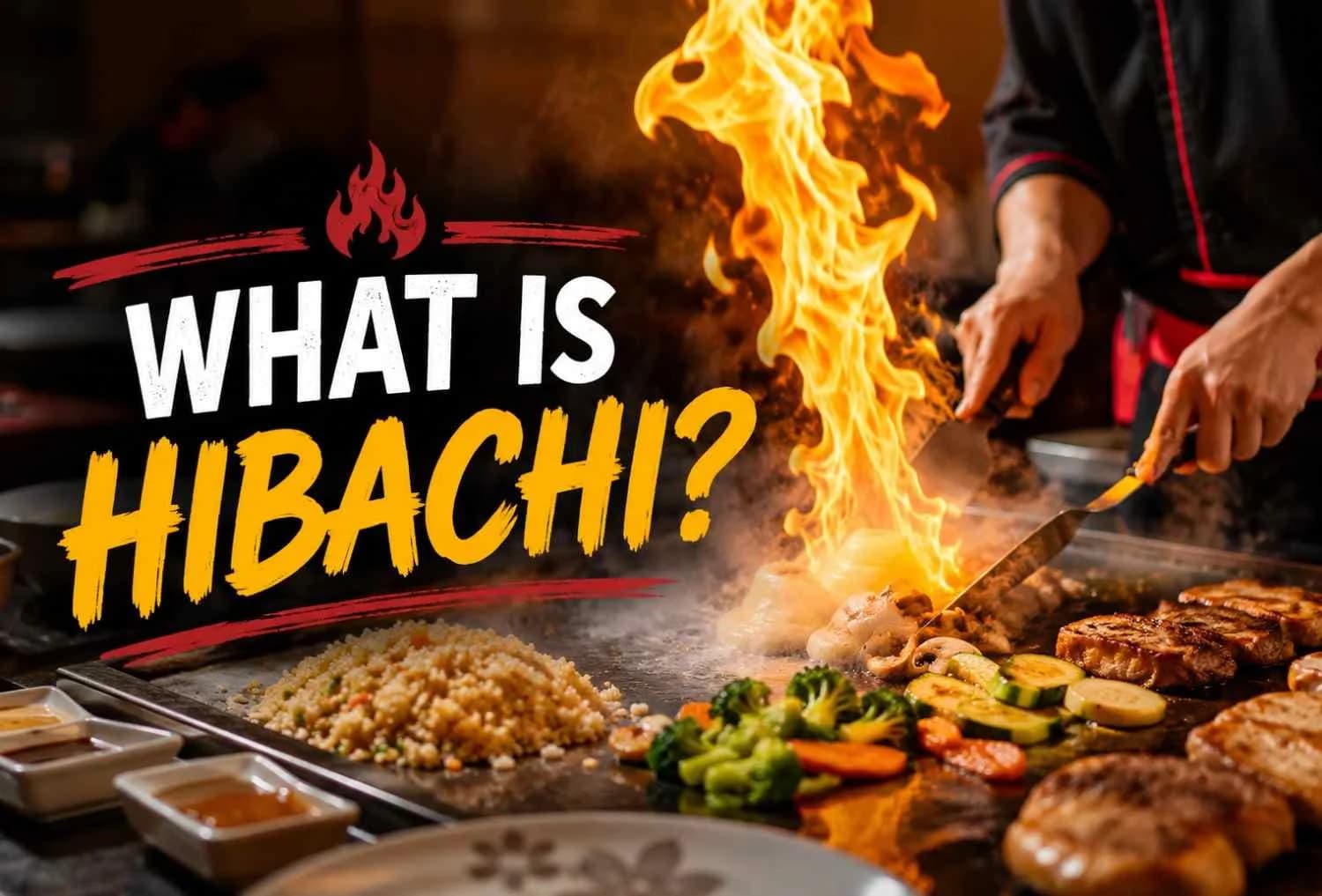
Hibachi (火鉢) is a traditional Japanese cooking method rooted in a small, charcoal-burning vessel originally called a "fire bowl." In the United States today, hibachi refers to the live chef performance dining experience where a skilled cook grills steak, shrimp, chicken, and vegetables on a flat iron griddle right in front of guests seated around a shared communal table.
In this guide, we are covering everything worth knowing about hibachi: what the word actually means, what food comes with it, what the chef does at your table, how the whole experience unfolds, and how you can bring it home. Let us get into it.
What Does "Hibachi" Actually Mean?
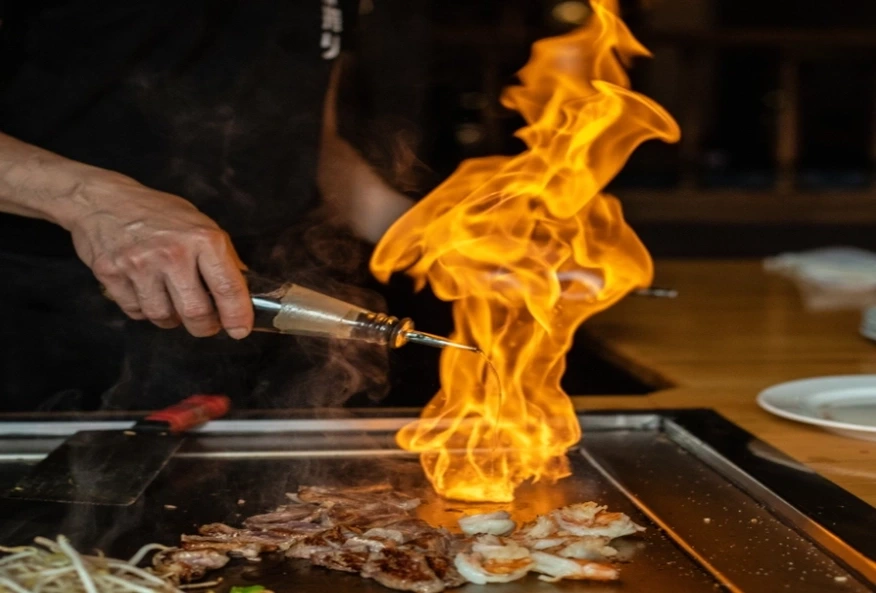
The word hibachi (火鉢) breaks down into two Japanese characters. "Hi" (火) means fire. "Bachi" (鉢) means bowl or pot. Put them together and you get "fire bowl," which is exactly what the original hibachi was: a small, charcoal-burning vessel used in Japanese homes primarily as a room heater, not a cooking tool.
So how did a clay heating pot become the live fire show you see in American restaurants today? The short version is this: the word traveled, the meaning shifted, and the experience got bigger and louder with every decade. By the time Hiroaki "Rocky" Aoki opened the first Benihana restaurant on West 56th Street in New York City in 1964, the word hibachi had already embedded itself into American dining culture. Aoki used it as his marketing language, the interactive cooking format took off, and "hibachi" became the go-to American word for the live chef dining experience.
Today in the United States, hibachi means one specific thing. It means a trained chef cooking your meal right in front of you on a large flat iron griddle while doing knife tricks, cracking jokes, and setting onions on fire. Knowing where the name actually comes from makes the whole thing feel even more interesting.
Hibachi vs. Teppanyaki: What Is the Real Difference?
If you have done any reading about hibachi, you have probably run into the word "teppanyaki" and wondered whether they are the same thing. Here is the clear answer.
Traditional hibachi refers to a small, portable charcoal grill with an open metal grate. It produces bold, smoky flavors from direct charcoal heat. Think of a compact backyard charcoal setup, just smaller and Japanese in origin.
Teppanyaki is a different cooking style entirely. "Teppan" means iron plate. "Yaki" means grilled. Teppanyaki is cooking on a large, flat iron griddle. That big flat-top surface you see in every American hibachi restaurant? That is a teppan. The cooking style, technically speaking, is teppanyaki.
So why does everyone in America call it hibachi?
When Benihana opened in 1964, Rocky Aoki marketed the live cooking format as "hibachi style" because American diners were already familiar with small Japanese charcoal grills sold under that name. The teppanyaki cooking method got branded as hibachi dining, and after six decades, that label is not going anywhere.
Here is a side-by-side look at the two:
| Feature | Traditional Hibachi | American "Hibachi" (Teppanyaki) |
|---|---|---|
| Heat source | Charcoal | Gas or electric |
| Cooking surface | Open metal grate | Large flat iron griddle |
| Setting | Compact, personal | Communal table, up to 8 guests |
| Entertainment | None | Full live chef performance |
| Common in the US | Rarely found | Everywhere |
The bottom line: Whether you call it hibachi or teppanyaki, you are talking about the same experience in the US. For the rest of this guide, hibachi means exactly what you already pictured when you searched for it.
What Is Hibachi Food? Your Complete Menu Breakdown
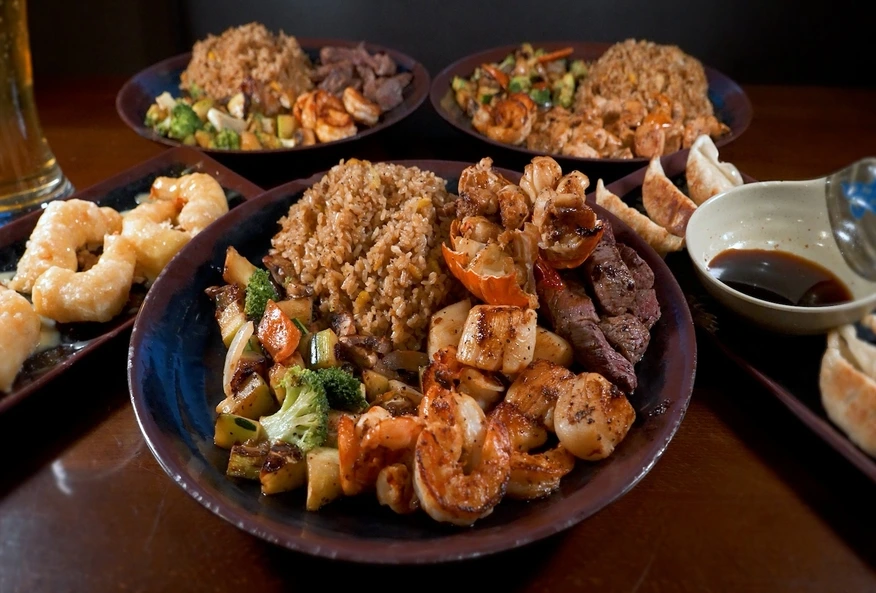
First-timers always want to know: what do you actually eat at hibachi? Here is the full breakdown, from the proteins to the sauces to the starters.
The Proteins
The centerpiece of every hibachi meal is your protein, cooked to order right in front of you on the flat-top grill. At most hibachi restaurants and private events, guests choose two proteins per serving. Your standard options include:
- Chicken: The most popular choice by a wide margin. Diced chicken breast is cooked in garlic butter and soy sauce over high heat, creating a slightly caramelized exterior that is genuinely hard to beat. Perfect for first-timers, kids, and anyone who prefers something familiar.
- Steak: Ribeye, sirloin, or filet mignon, sliced and seared to order on the flat-top. If you want to watch the chef do their best work, order the steak.
- Shrimp: Jumbo shrimp cooked quickly over high heat, absorbing the garlic butter with every second on the grill. Also the star of the shrimp toss trick, which we will get to in the next section.
- Scallops and Lobster: Available at higher-end venues and private events. The premium upgrade when you want to go all out.
- Salmon: A lighter seafood option that pairs especially well with ginger sauce.
- Tofu: The plant-based choice, seasoned the same way as the meat options. Cooked in garlic butter and soy sauce, it is a solid pick for vegetarians and holds up well on the high-heat griddle.
The Sides
- Hibachi fried rice: It is the most iconic side on the table. Day-old rice is stir-fried on the flat-top with egg, garlic, butter, soy sauce, peas, and carrots. It sounds simple. It tastes extraordinary. The chef usually prepares it as part of the show, which is where the famous "beating heart" trick comes in. More on that in a moment.
- Hibachi noodles: They are available at many locations: udon or soba tossed in soy sauce, sesame oil, and garlic. Some guests swap the rice for noodles. Some order both without any regrets.
- Grilled vegetables: Grilled vegetables include zucchini, white onion, mushrooms, and broccoli, all cooked in garlic butter on the griddle right alongside your protein. At 400 degrees with a proper butter base, these are not an afterthought. They are one of the highlights.
The Sauces (The Things Guests Google After Every Hibachi Dinner)
- Yum yum sauce: Yum yum sauce (also called white sauce or shrimp sauce) is a creamy, mildly sweet condiment made with mayonnaise, a touch of tomato paste or ketchup, garlic, and a mild kick of spice. It is the most iconic hibachi condiment, full stop. It is the one thing guests consistently go home and try to recreate from memory. Put it on everything.
- Ginger sauce: It is lighter and brighter, and ginger-forward with soy, vinegar, and garlic. It cuts through the richness of the butter-cooked proteins and works beautifully on steak and shrimp.
The Starters
Every hibachi meal opens with miso soup: a warm, lightly salted fermented soybean broth with tofu, seaweed, and green onion. It is a simple, warming start that gets your palate ready for everything coming next. Right after comes a house salad with ginger dressing, a crisp, refreshing mix of greens and vegetables with a thick, slightly tangy ginger-based dressing. Depending on your venue or private caterer, you may also find edamame, gyoza, egg rolls, or tempura on the appetizer side.
The Live Hibachi Dining Experience: What Happens From Start to Finish
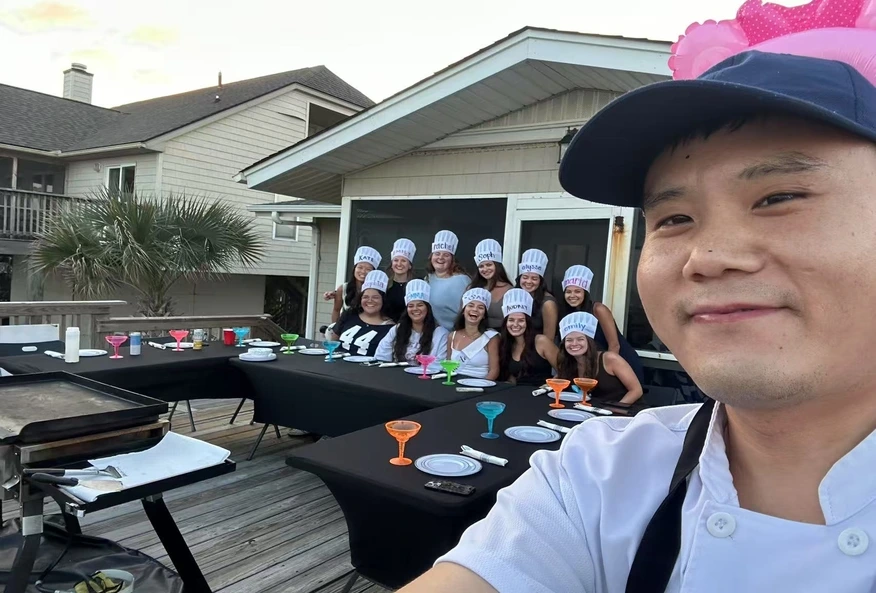
This is the part people come back for. The food is excellent, but the experience is the real reason hibachi has stayed this popular for decades.
The Setup
You sit down at a large communal grill table with up to eight people. If your group is smaller, you will likely share the table with other diners, which is part of the appeal. Drinks are ordered, miso soup and salad arrive, and the chef fires up the teppan. The whole table feels the heat rise. That is when you know the show is starting.
The Chef Tricks (The Moments That Define Hibachi)
- The Onion Volcano: The chef stacks rings of onion into a tower on the flat-top, pours oil or sake into the center, and ignites it. The result is a controlled eruption of fire and steam that makes the entire table react. No matter how many times you have seen it, it lands every single time.
- The Beating Heart: A generous mound of fried rice is shaped into a heart on the griddle. The chef slides a spatula underneath and makes it pulse in a steady rhythm. It sounds simple. At the table, it gets a genuine reaction from everyone watching.
- The Egg Tricks: A raw egg is spun on the flat-top edge, sometimes tossed and caught, then cracked open and scrambled in seconds before being folded into the fried rice with butter, garlic, and soy sauce. The speed at which professional hibachi chefs do this is worth watching closely.
- The Shrimp Toss: A cooked piece of shrimp gets flipped off the spatula toward a guest's open mouth. Sometimes it goes into the chef's hat or breast pocket instead. Whether the catch is successful or not, the table erupts either way.
- The Food Toss: Vegetables or small bites are tossed toward guests who are brave enough to try and catch them. This is the crowd participation moment that turns a table of strangers into a group with a shared experience.
- Knife Tricks and Spatula Juggling: Rapid spatula rotations, precise knife-work, and theatrical chopping round out the performance between cooking stages. The skill involved is real.
How the Meal Flows
Here is the typical sequence at a hibachi dinner:
- Miso soup and house salad served while the grill heats up
- Chef introduction and grill ignition
- Fried rice prepared first, including the egg tricks and beating heart
- Grilled vegetables cooked alongside
- Onion volcano
- Proteins cooked to order for each guest at the table
- Shrimp toss and food toss moments
- Proteins plated and served directly to guests
- Dessert option, often ice cream tempura at full-service venues
The whole experience runs about 1.5 to 2 hours from start to finish. It is not a quick dinner. That is entirely the point. You are there to enjoy a show and share a meal, and both deserve the time.
Private Hibachi Catering: The Full Experience at Your Home
Here is something a lot of people do not know: you do not need a restaurant reservation to have a real hibachi experience.
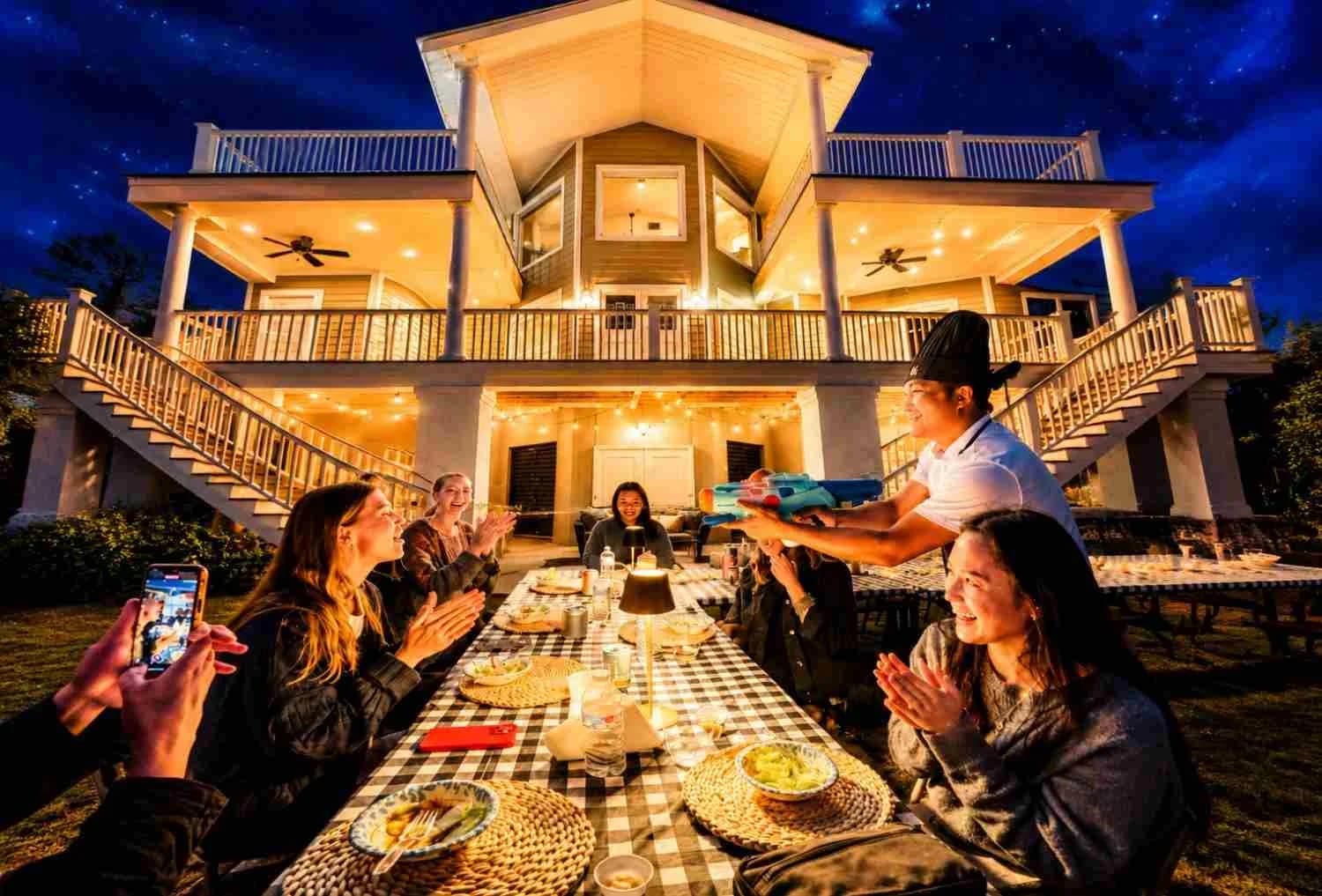
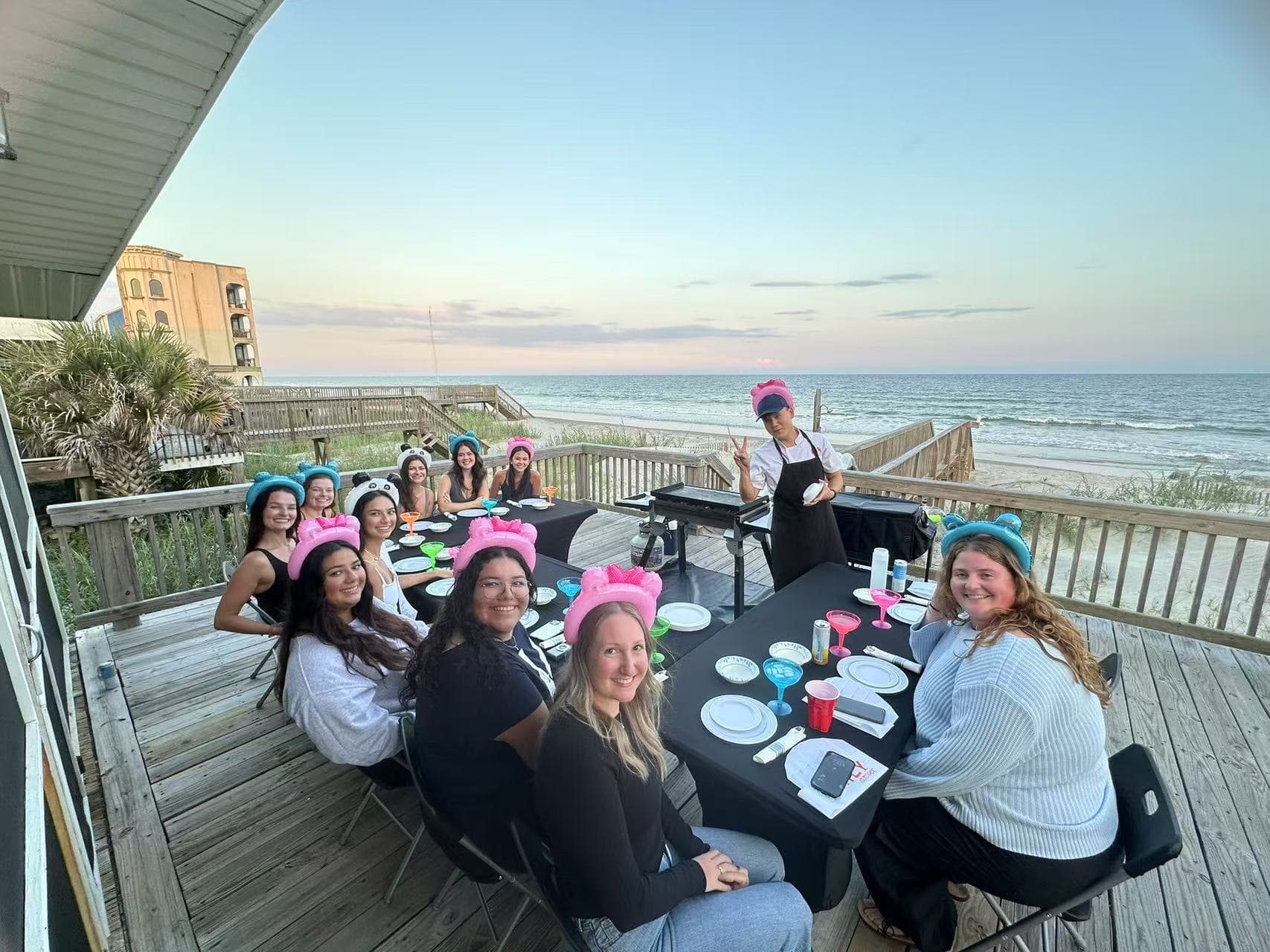
Private hibachi catering brings everything you just read about directly to your home, backyard, or event space. A trained chef shows up with a portable teppan grill and delivers the full live experience for your guests, right in your space, on your schedule.
The food is the same. The tricks are the same. The onion volcano, the shrimp toss, the garlic butter fried rice, the yum yum sauce. Every bit of it. But instead of sharing a table with strangers, your guests are the audience. Your people. Your setting. Your evening, exactly the way you want it.
Private hibachi works especially well for:
- Birthday dinners: where the experience itself is the gift
- Anniversary celebrations: that deserve more than a typical restaurant night out
- Graduation parties: with a group ready to celebrate something real
- Corporate events: where you want the night to be genuinely memorable
- Family gatherings: that need a centerpiece to bring everyone together
HibaChef sends professional hibachi chefs to events across 49 states . Menus are fully customizable around your guest list, dietary needs, protein preferences, and group size. Learn how it works and check availability here.
Frequently Asked Questions About Hibachi
What kind of food is in hibachi?
A typical hibachi meal includes a protein of your choice (chicken, steak, shrimp, scallops, lobster, or tofu), hibachi fried rice, grilled vegetables such as zucchini, onions, mushrooms, and broccoli, miso soup, and a house salad with ginger dressing. Every plate is served with two signature sauces: yum yum sauce and ginger sauce. Many venues also offer optional starters like edamame, gyoza, and tempura.
Does hibachi mean "cook in front of you"?
No, it does not. Hibachi (火鉢) literally translates to "fire bowl" in Japanese. "Hi" means fire and "bachi" means bowl or pot. The "cooked right in front of you" part describes the teppanyaki-style live cooking performance that American hibachi restaurants have made famous over the decades. The name and the experience got bundled together, but the literal meaning is simply fire bowl.
Why do Americans call it hibachi?
The short answer is Benihana. When Rocky Aoki opened the first Benihana restaurant in New York City in 1964, he used the word "hibachi" to describe his live cooking format because Americans were already familiar with small Japanese charcoal grills sold under that name. The teppanyaki cooking style got branded as hibachi dining, and after six decades, that label has stuck firmly in American food culture.
What is the difference between teriyaki and hibachi?
Teriyaki is a cooking technique and a sauce. It involves glazing food (usually chicken, beef, or salmon) with a sweet soy-based sauce made from soy sauce, mirin, and sugar, then grilling or broiling it. Hibachi is a full cooking experience: high-heat flat-top griddle cooking performed live in front of guests, seasoned with garlic butter and soy sauce. You can order teriyaki dishes at a hibachi restaurant, but they are two entirely separate things.
What is hibachi chicken?
Hibachi chicken is diced chicken breast cooked on a high-heat flat-top teppan grill with garlic butter, soy sauce, and sesame oil. The intense heat creates a slightly caramelized, golden exterior while keeping the inside tender and juicy. It is the single most popular protein at hibachi restaurants and private hibachi events across the US, and it pairs perfectly with yum yum sauce.
What is hibachi steak?
Hibachi steak is sliced steak, typically sirloin, ribeye, or filet mignon, seared on a flat-top teppan grill at around 400 degrees Fahrenheit. The chef cooks it to your preferred doneness right in front of you and finishes it with garlic butter and soy sauce for that signature hibachi flavor. It is the premium protein choice on most hibachi menus and the go-to upgrade for birthdays, anniversaries, and special occasions.
Wrapping Up
Now you know exactly what hibachi is. It’s a live cooking experience rooted in Japanese tradition that has become one of the most beloved dining events in America. From the garlic butter fried rice to the flaming onion volcano to the yum yum sauce you will definitely Google a recipe for afterward, hibachi delivers something most dinners simply cannot. A meal you actually remember.
The food is great. But the shared experience around that table is the real reason people keep coming back. If you want all of that without a restaurant reservation, HibaChef brings the full live hibachi experience directly to your home, backyard, or event space across 49 states.
The Latest
Poolside Hibachi in Miami: The Ultimate Private Dining Experience
October 18, 2026
9 minutes read
How to Plan a Miami Beach House Hibachi Party
October 11, 2026
10 minutes read
How to Host an Outdoor Hibachi Party in Miami Without Going to a Restaurant
October 6, 2026
14 minutes read
How to Plan a Hibachi Pool Party in Orlando
October 5, 2026
14 minutes read
Best Hibachi Chicken Recipe: Restaurant-Style in 30 Minutes
September 23, 2026
11 minutes read
Related Blogs
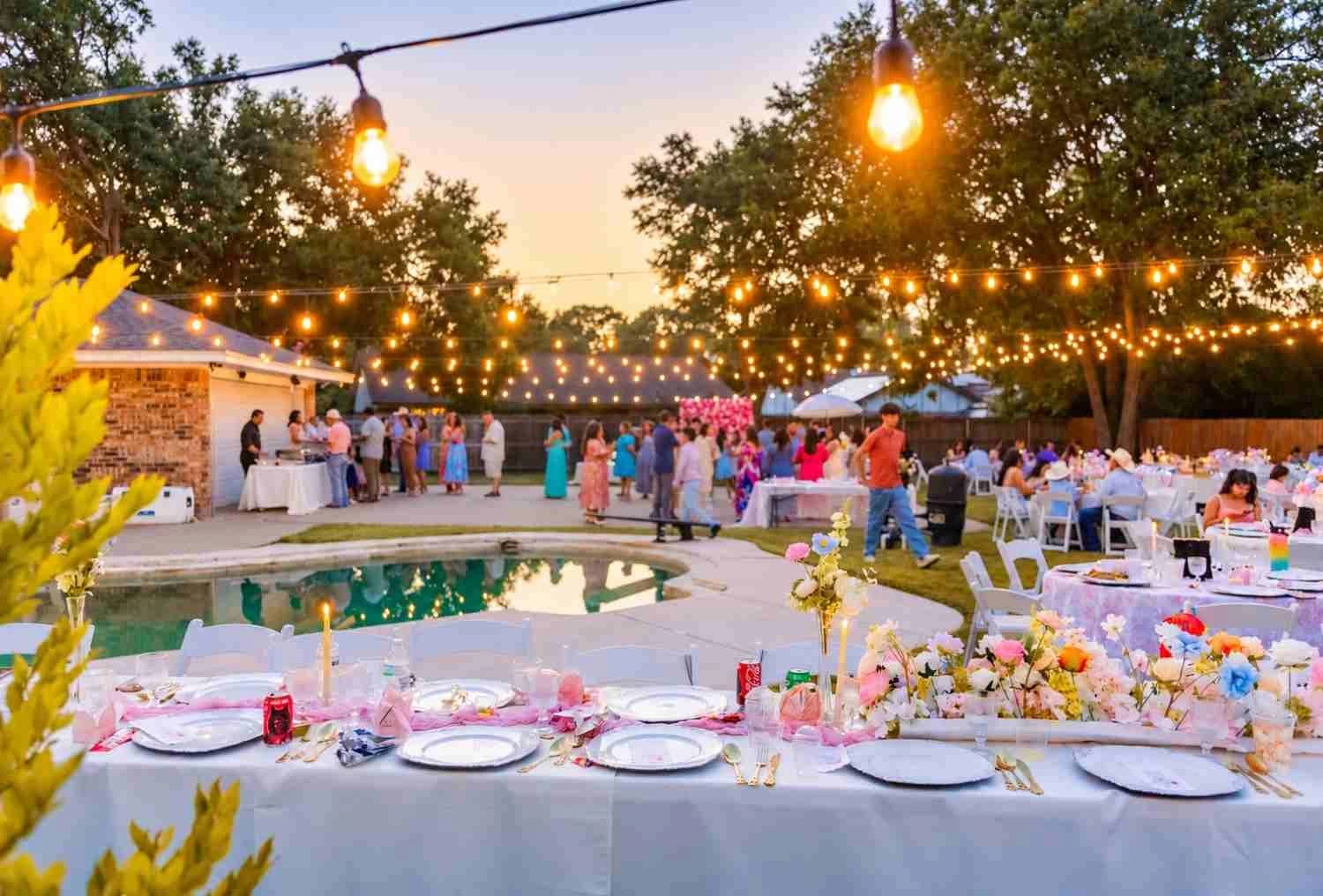
Poolside Hibachi in Miami: The Ultimate Private Dining Experience
October 18, 2026